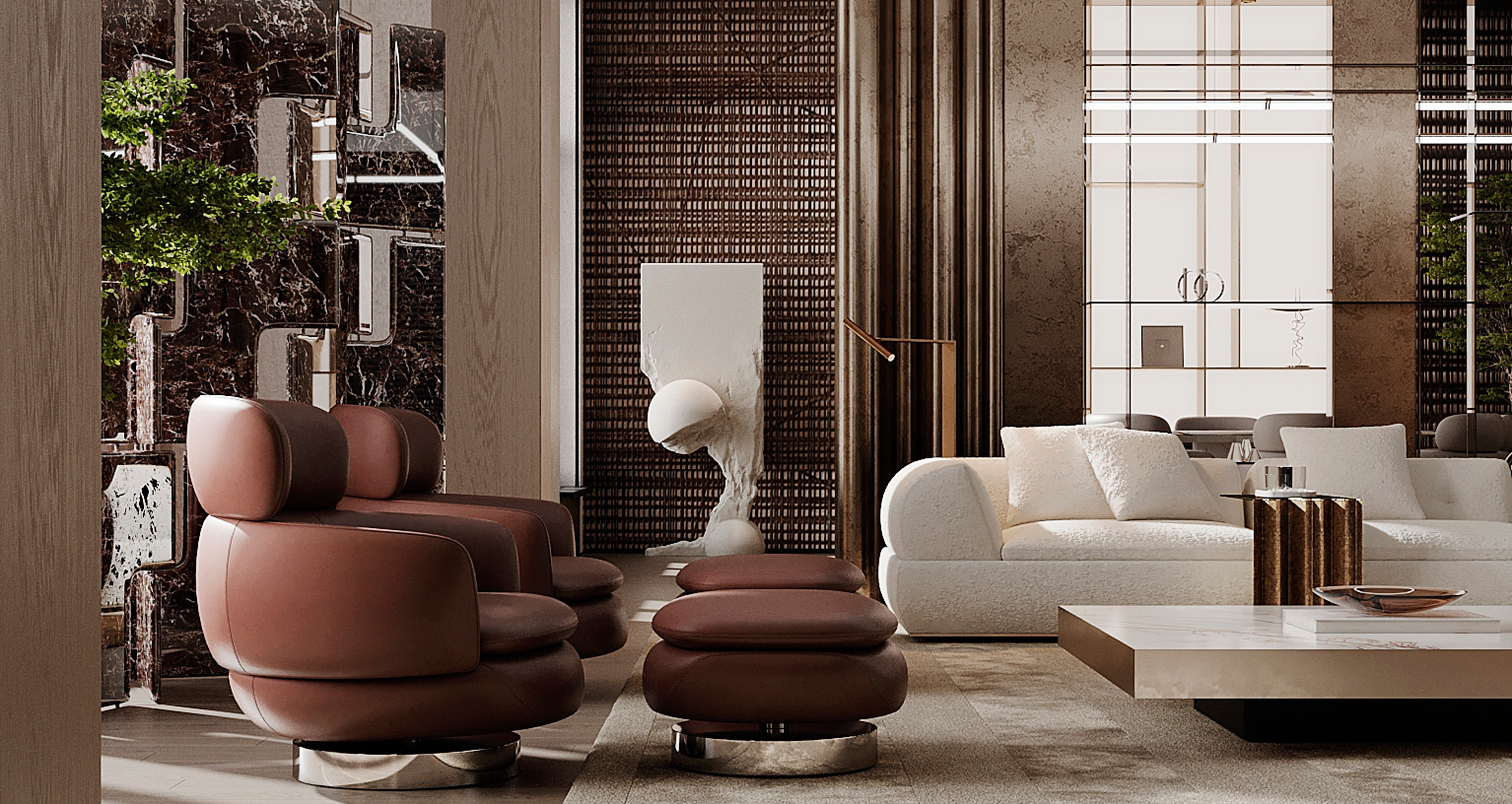
Hallway Design
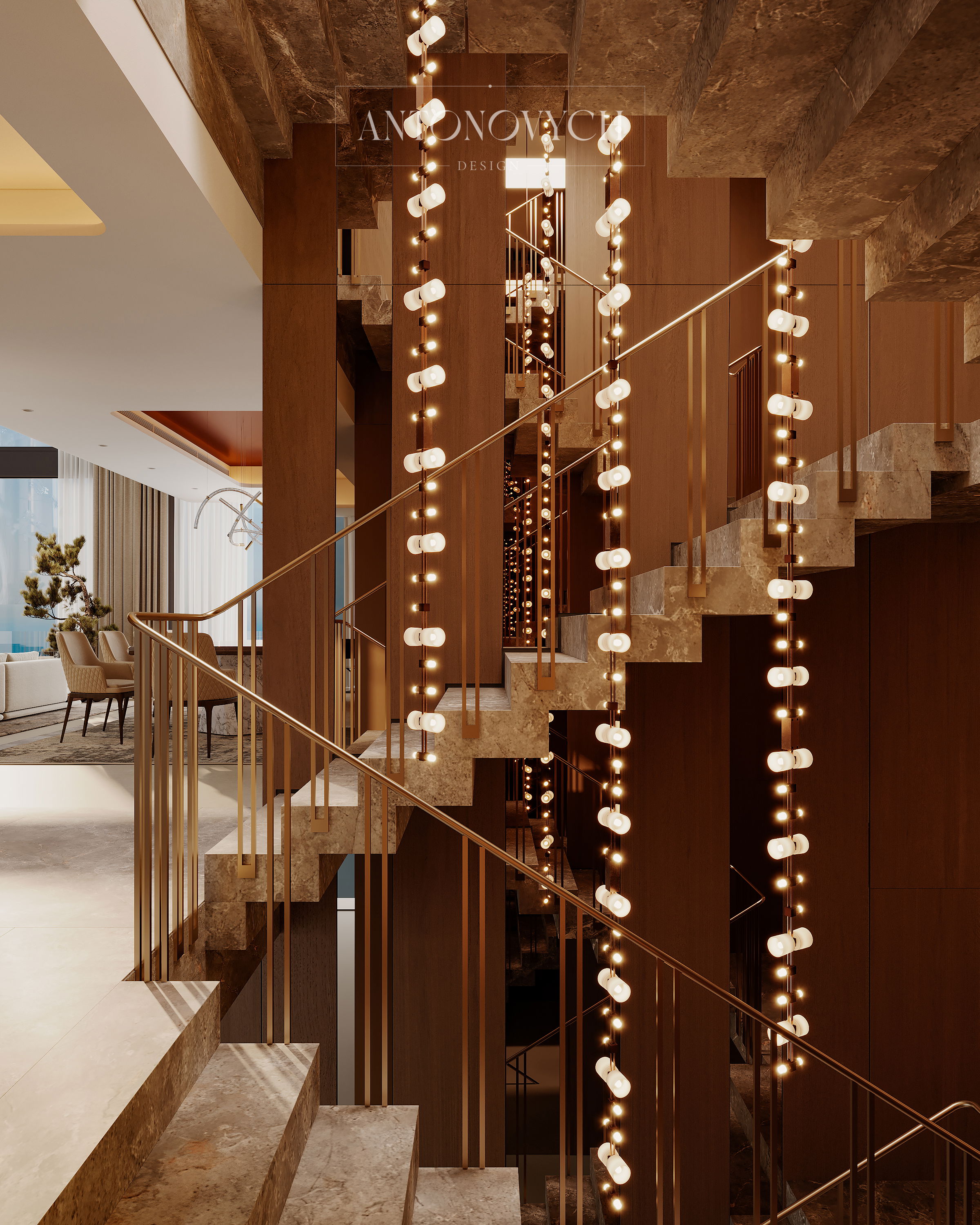
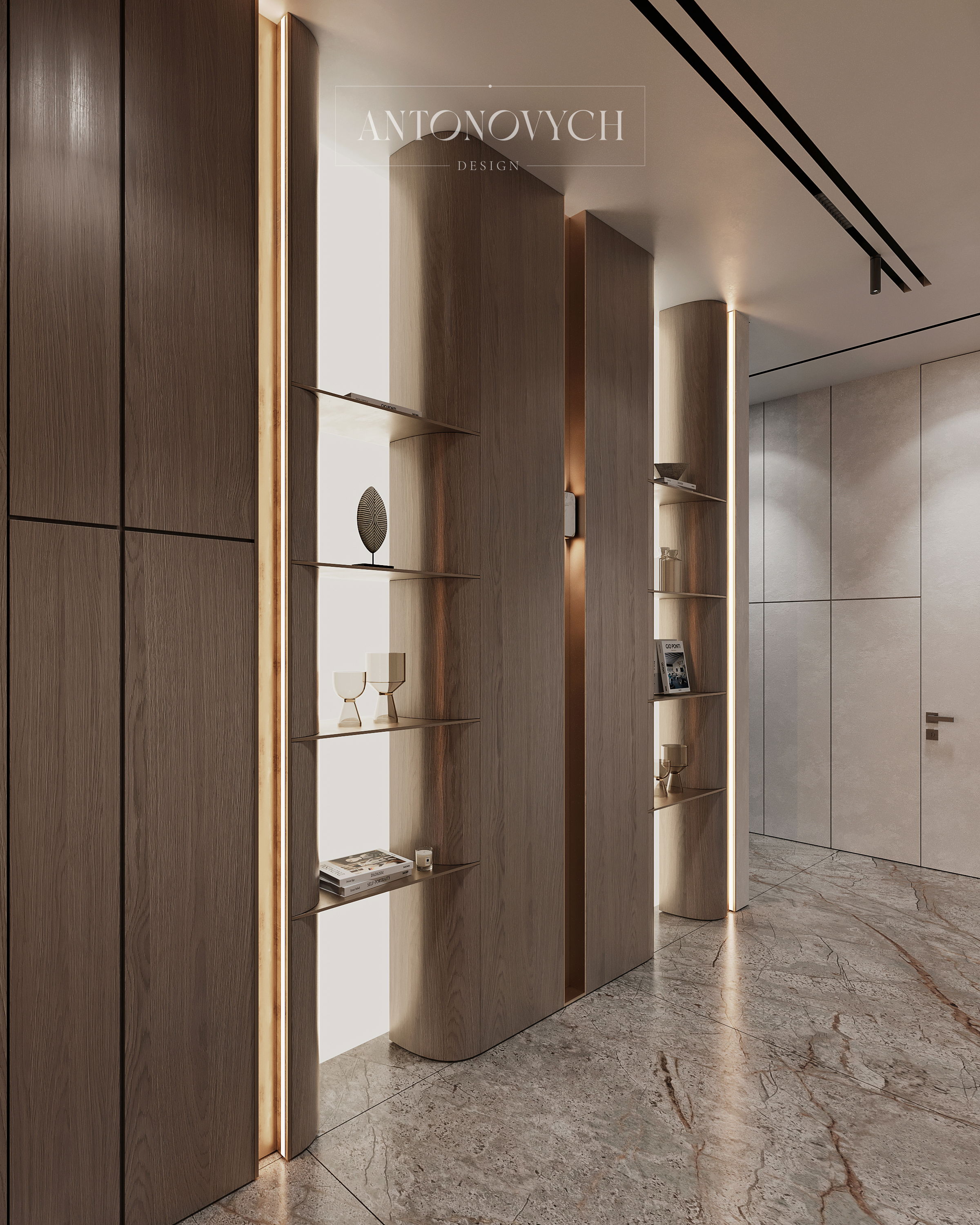
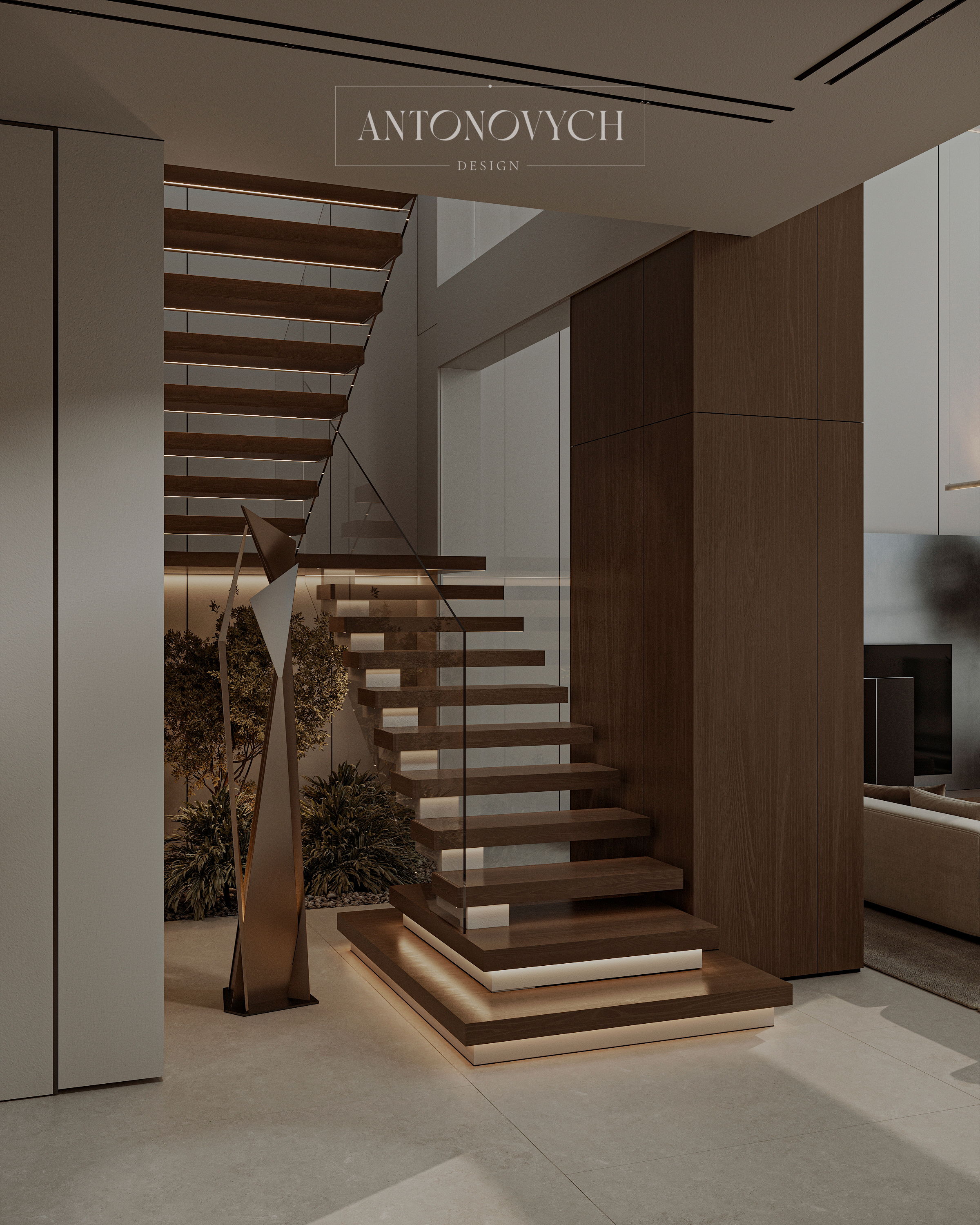
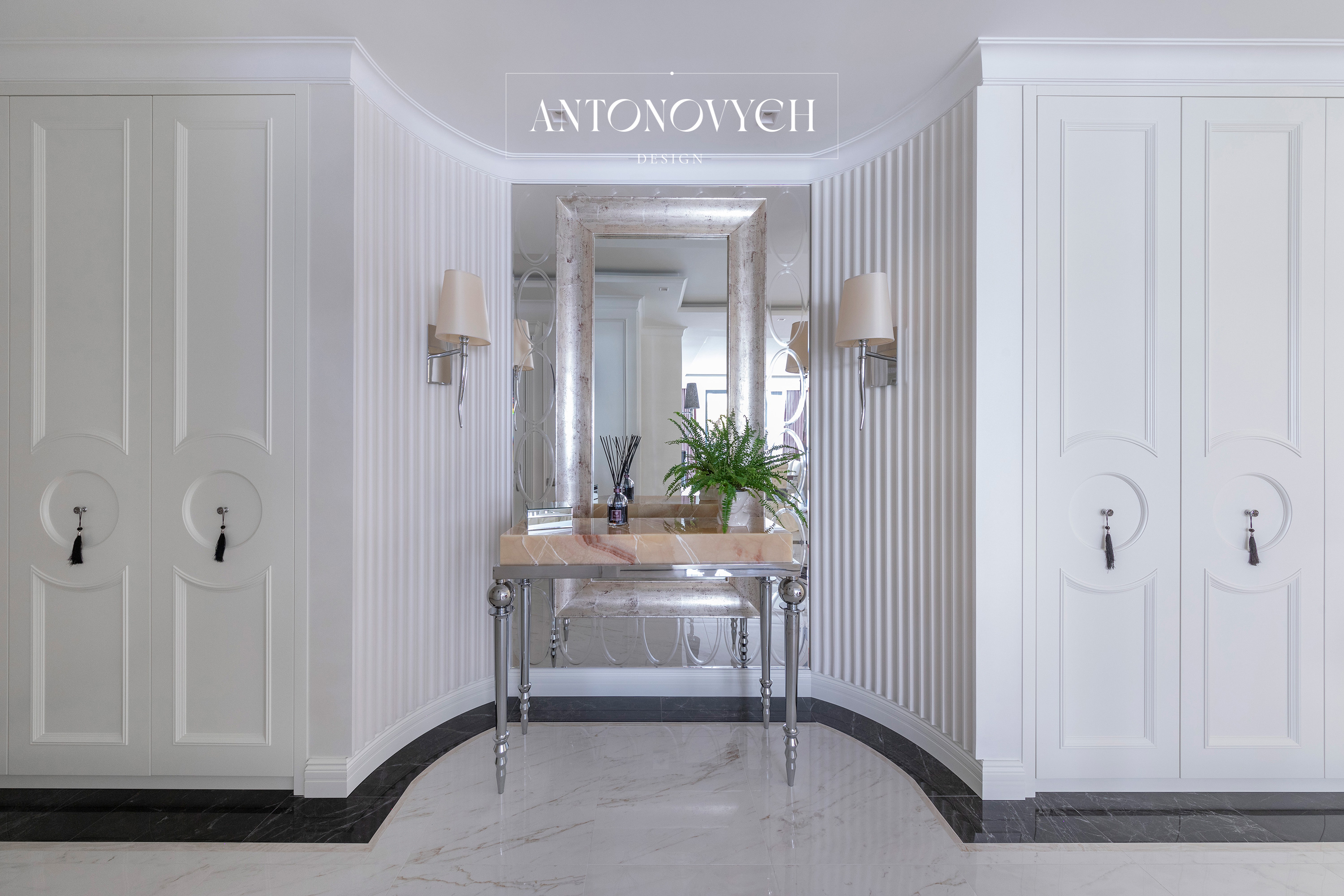
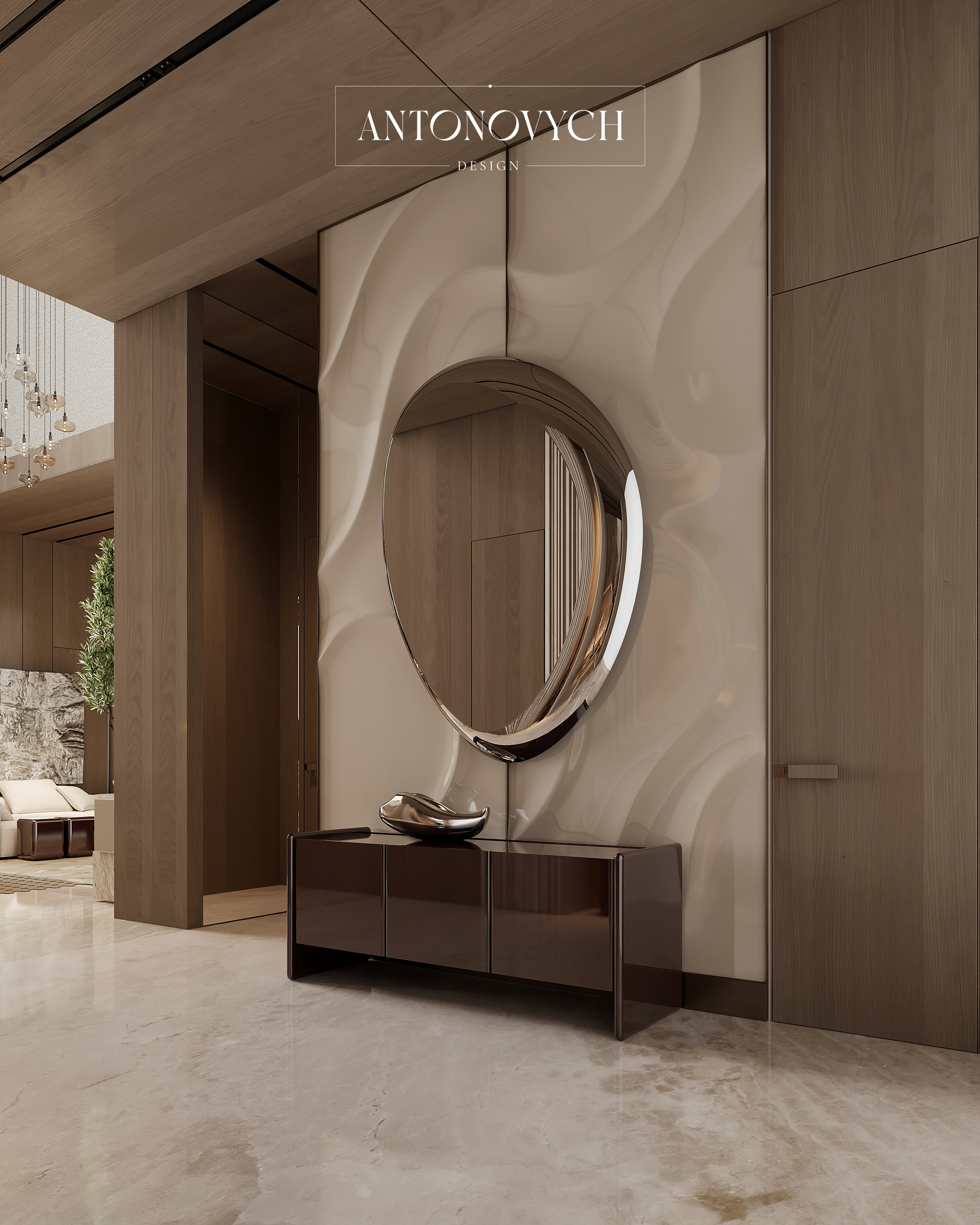
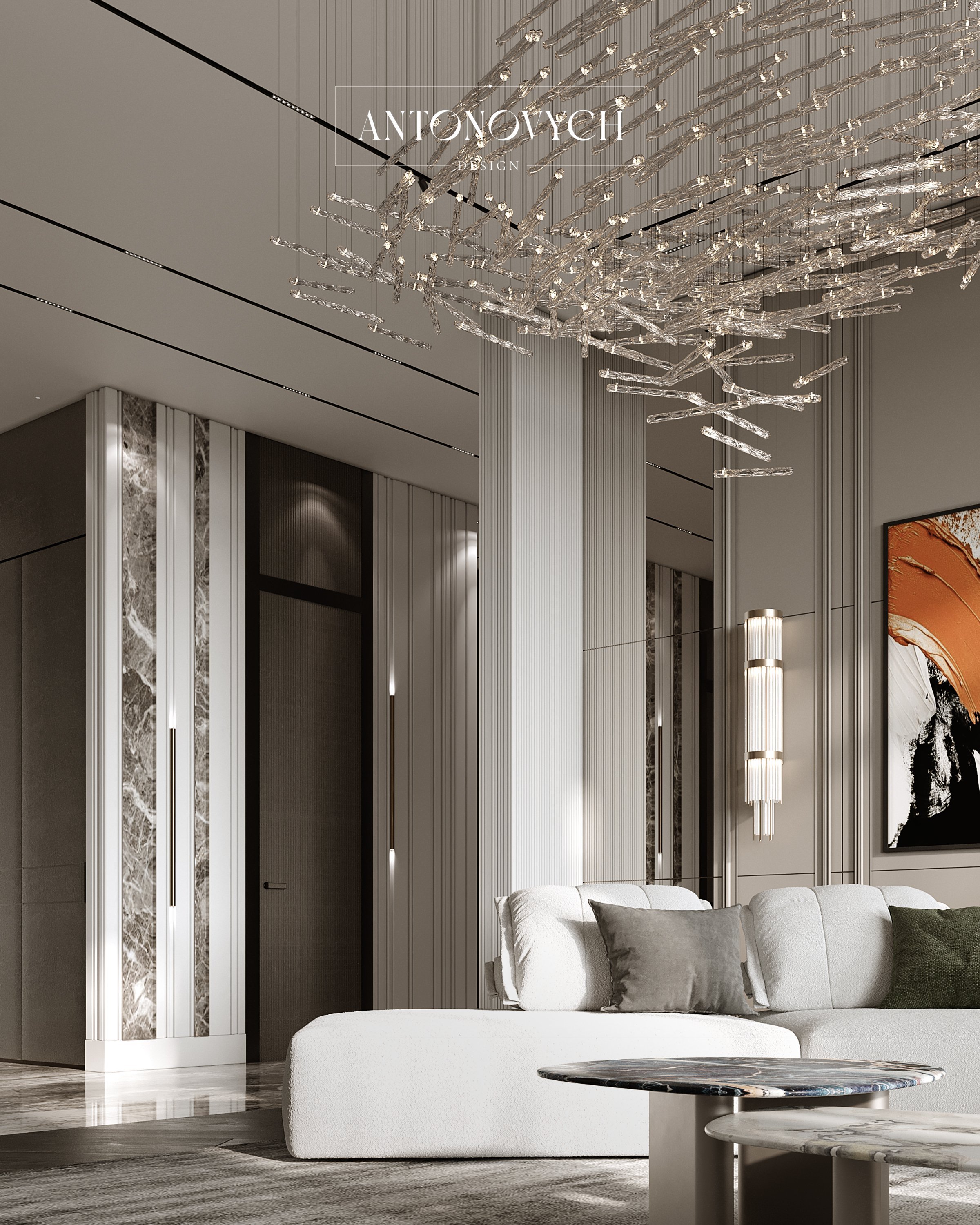
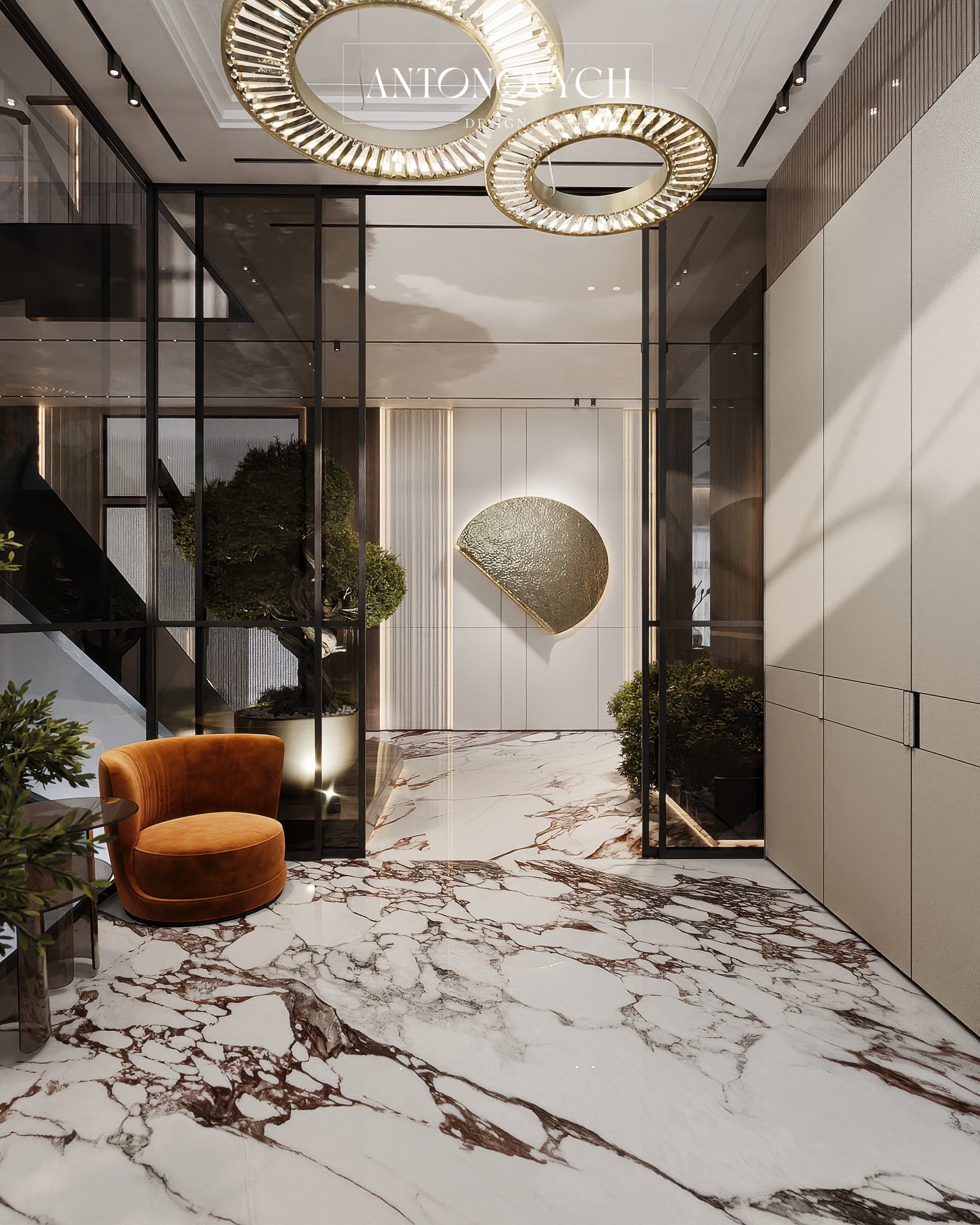
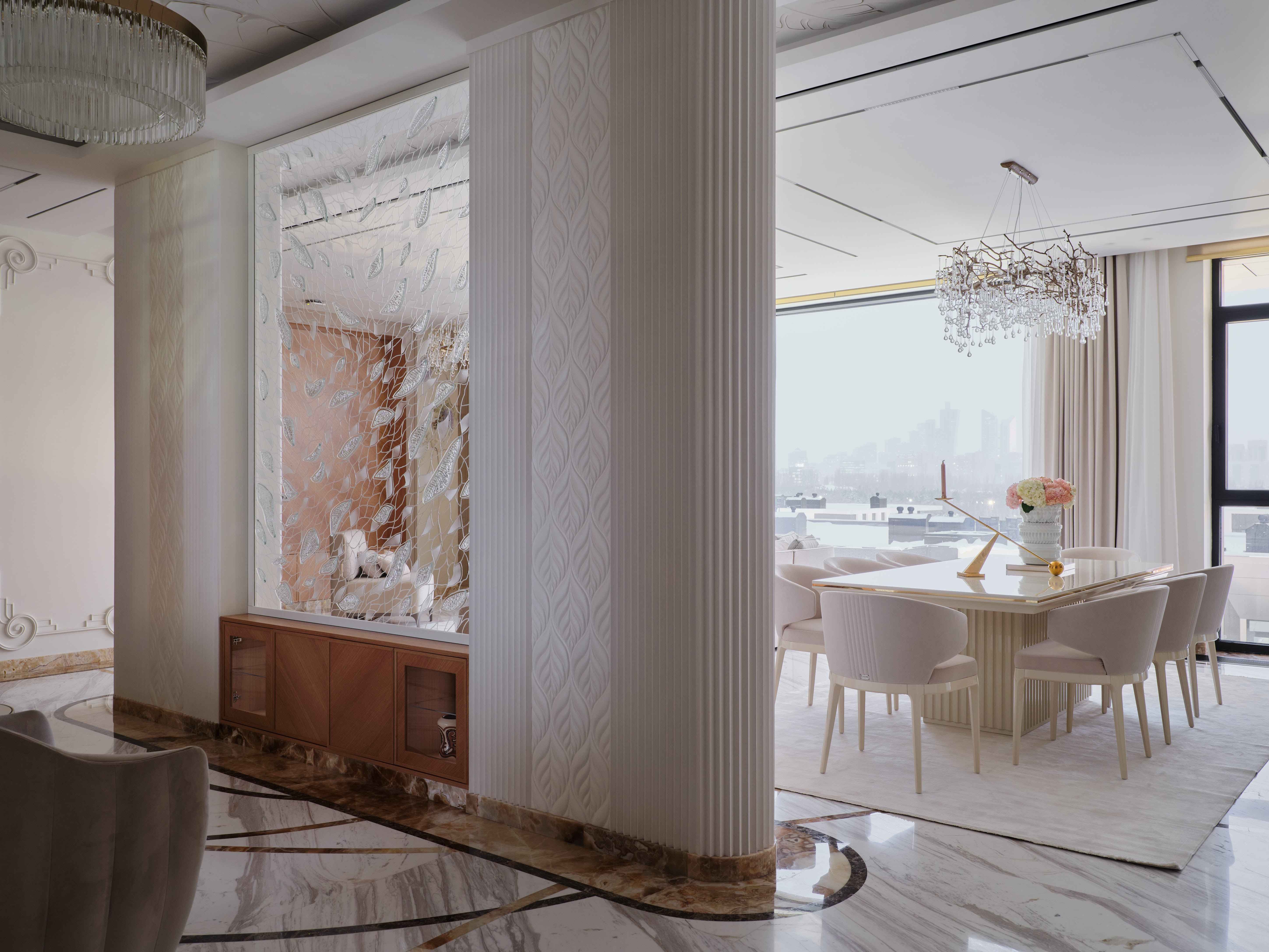
The first impression that speaks for youThe design of the hallway, hall, and vestibule is a key interior element that forms the first impression of a space. This particular area sets the tone for the entire architectural concept, reflects style, and creates a sense of comfort from the very first steps. A hallway design project must consider not only aesthetics but also ergonomics: convenient storage systems, proper lighting, and zoning that allows for the most efficient use of space. It is important that the hall’s interior is not just beautiful but also functional, ensuring comfortable movement and logical navigation.There are many design concepts for decorating hallways and vestibules, each corresponding to a specific style and character of the space. In classic interiors, the hall is distinguished by symmetry, natural materials, and complex decorative elements. Modern spaces lean towards conciseness, using glass, metal, and hidden storage systems. Minimalist interiors emphasize clean lines and lighting effects, while eclectic projects combine different textures, art objects, and unconventional solutions, creating an individual character.Our studio develops design projects for hallways, halls, and vestibules where aesthetics are combined with functionality. We carefully consider proportions, materialization, and lighting scenarios to create a harmonious space that is comfortable for living and moving around. It is important that the hall and vestibule are not just transitional areas but become a full-fledged part of the interior, reflecting the style and philosophy of the space.Lighting plays a key role in the perception of hallways and halls, emphasizing architectural elements and creating the desired atmosphere. Recessed luminaires and hidden LED strips provide uniform lighting, while accent chandeliers, sconces, and designer lamps add expressiveness to the interior. In spacious vestibules, multi-layered lighting is used, allowing the mood of the space to change depending on the time of day.The choice of materials in the design of the hall and hallway determines not only the style but also the durability of the interior. Natural stone, porcelain stoneware, and wood create an effect of respectability, mirrored panels and glass surfaces visually expand the space, and textile and leather elements add coziness. It is important to consider not only aesthetics but also the wear resistance of materials, especially in high-traffic areas.The design of a hallway, hall, or vestibule is a thoughtful combination of architecture, functionality, and emotional impact. We create spaces that welcome, inspire, and set the right mood, making the first step into the interior not just comfortable but memorable.