
Kids’ Room Design
When a child’s room becomes a personal universe
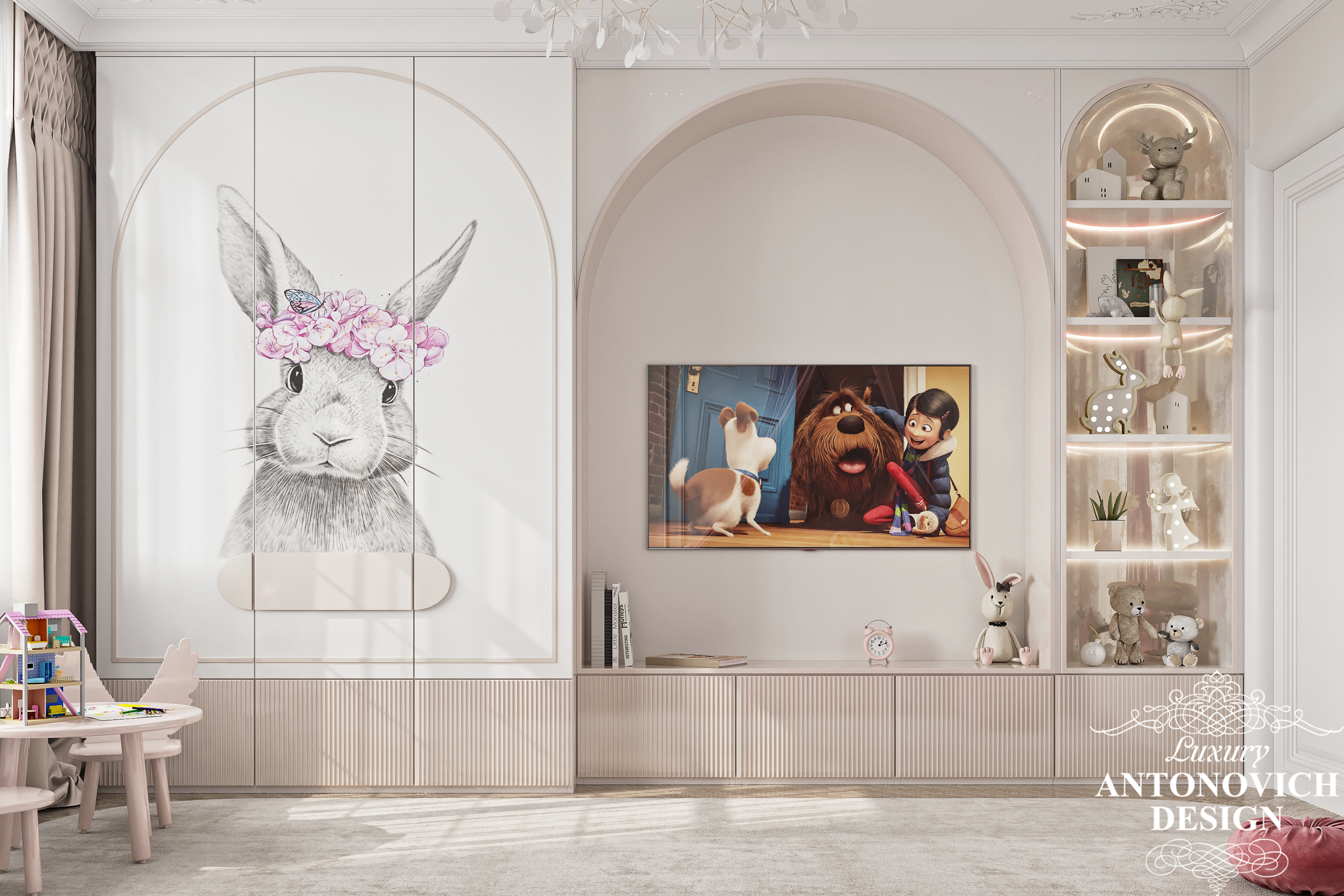
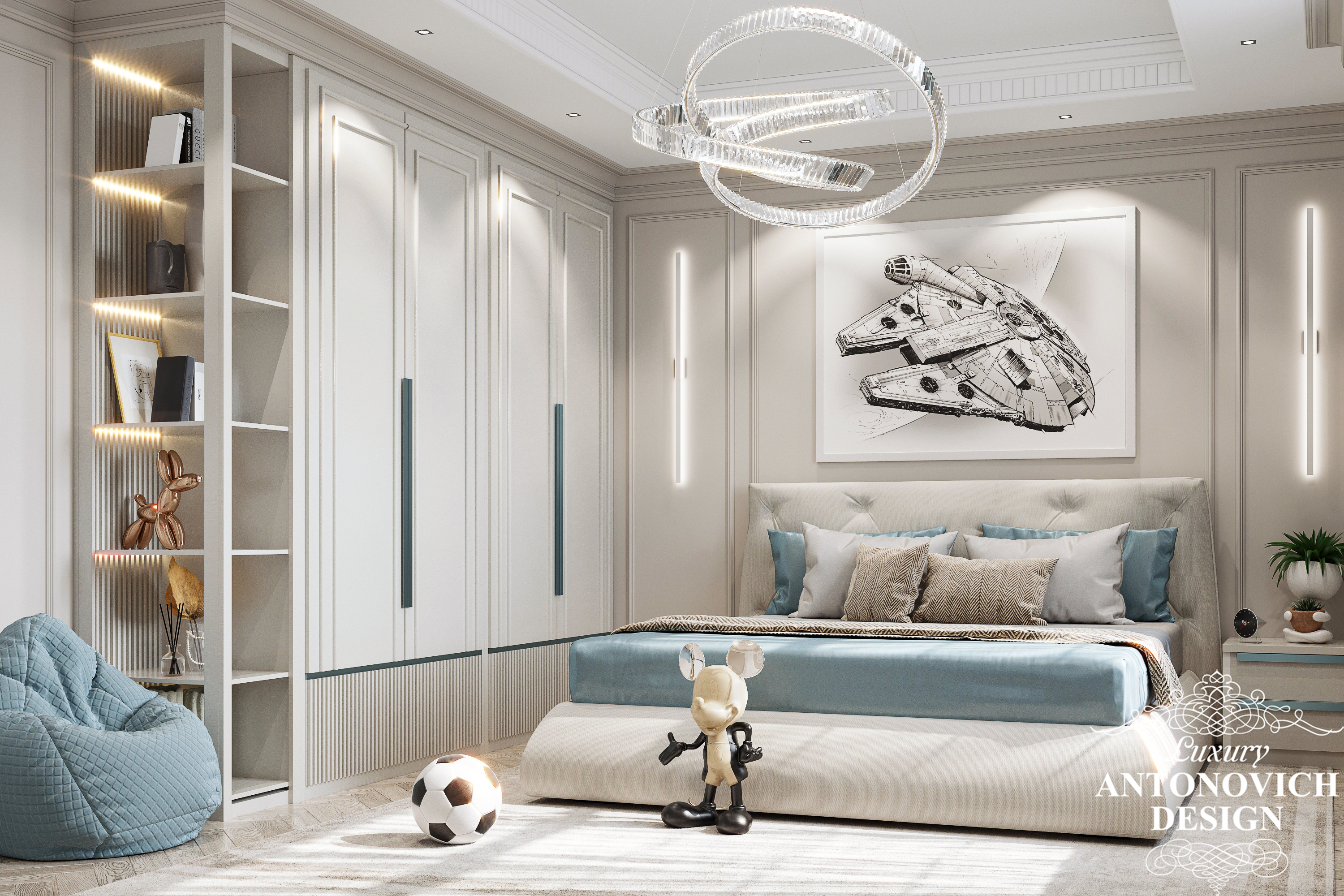
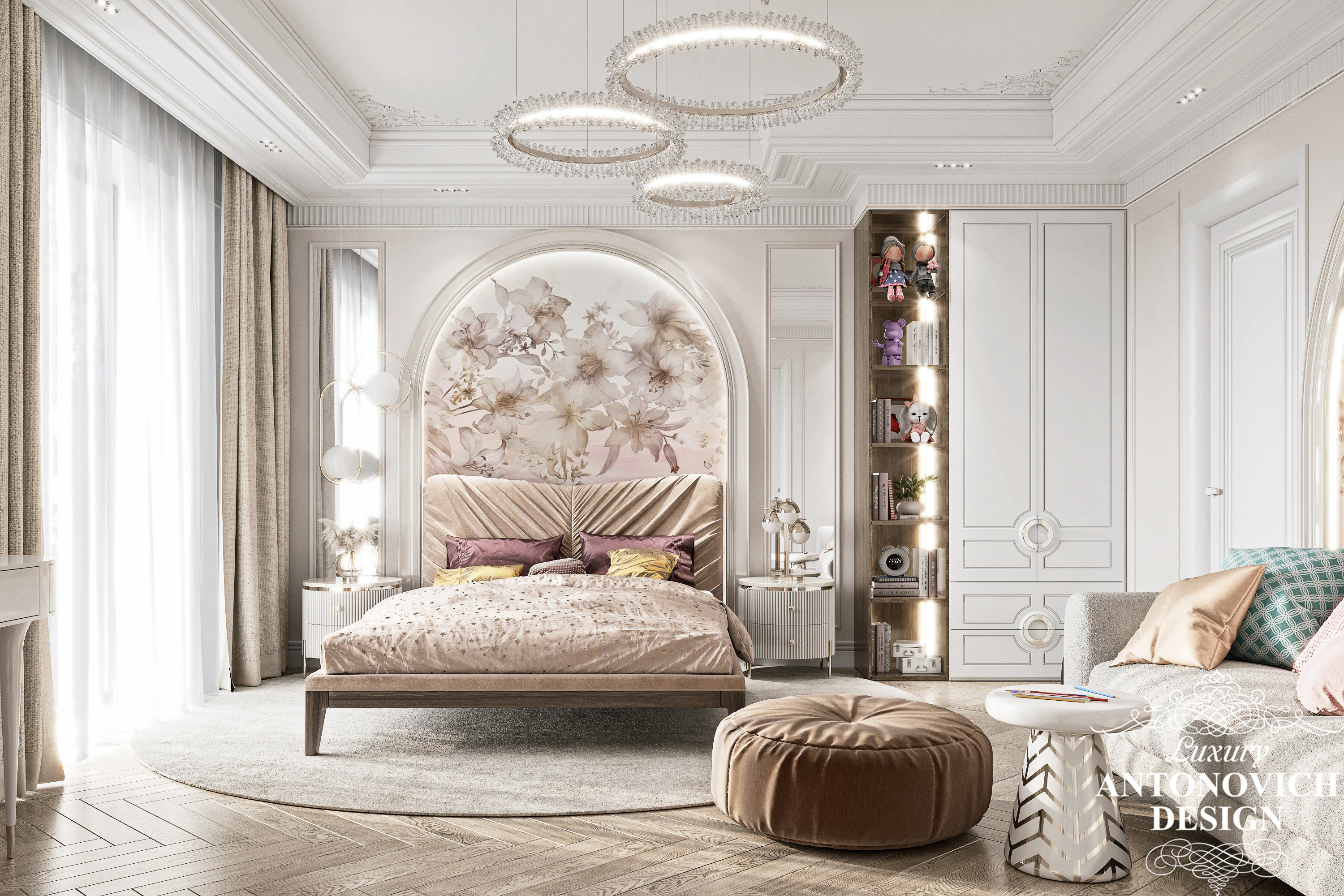
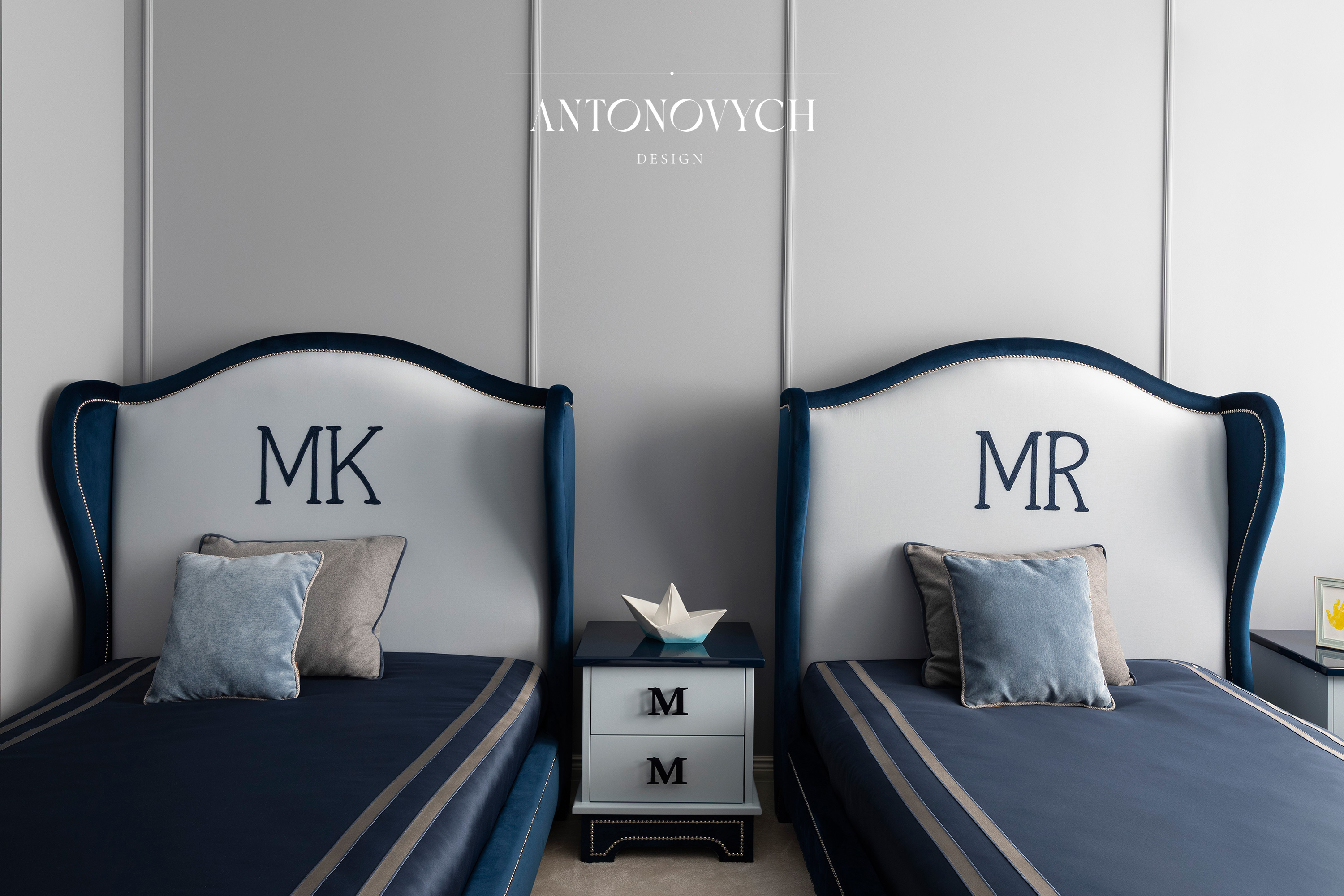
When a child's room becomes a personal universe
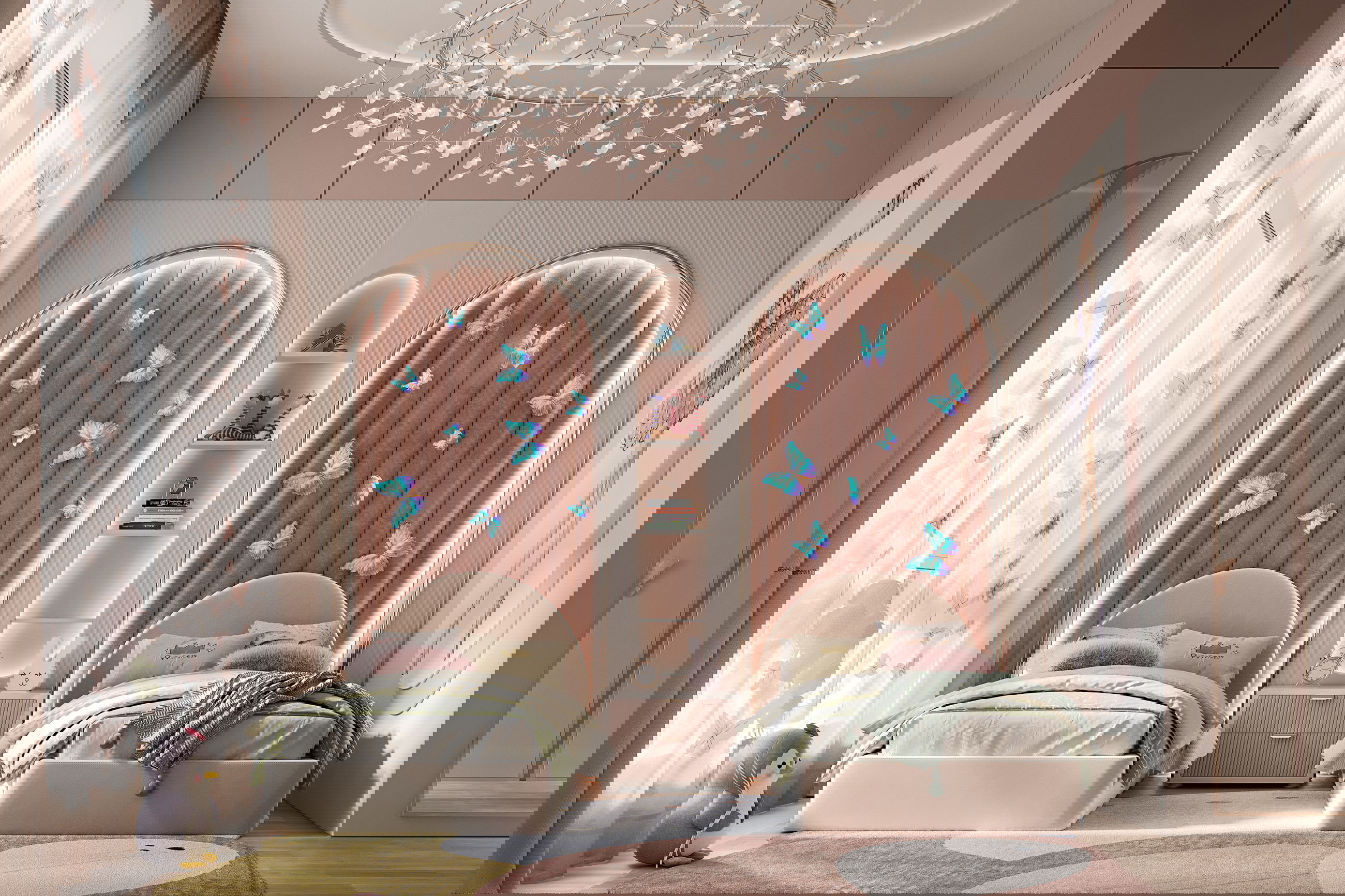
Kids' room design is not just about creating a space for play, but also an opportunity to create an atmosphere in which a child will develop and feel comfortable. The interior of a child's room should be functional, bright, and safe, reflecting the child's personality and supporting their interests. Developing a design project for a child's room requires careful consideration of all aspects: from color selection to the use of safe materials, so that every element contributes to both the physical and emotional growth of the little one.
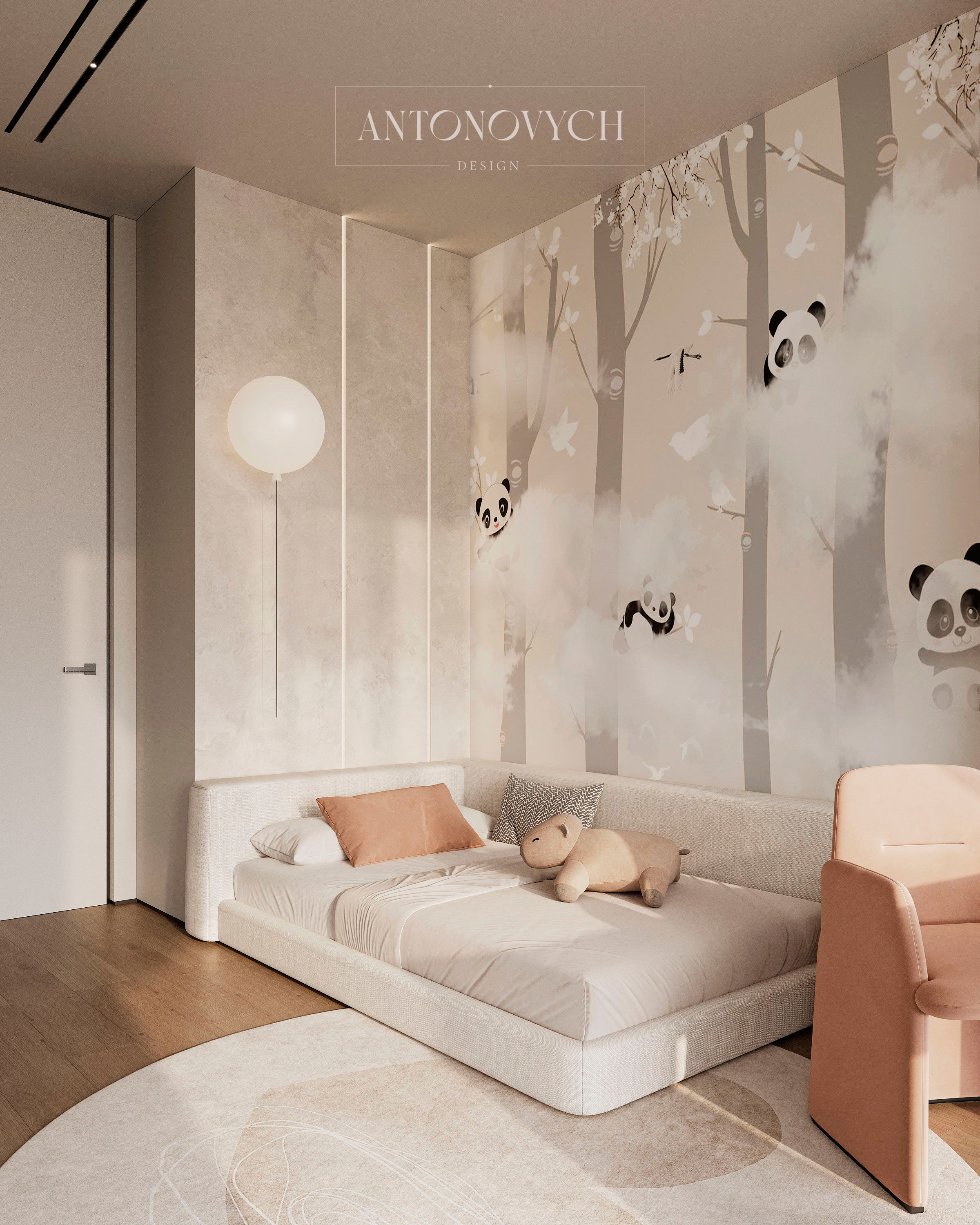
The interior design of a child's room always begins with choosing the right color scheme. Bright, but not aggressive, shades can create an atmosphere of joy and coziness, stimulating creativity and imagination. At the same time, it is important that the colors harmonize with the overall style of the room and do not create overload. For example, pastel tones combined with bright accents will help balance energy and tranquility, creating a space for both relaxation and play.
Every element in a child's room should be thought out in terms of functionality and safety. It is important to correctly allocate zones for sleeping, playing, and studying, as well as to choose furniture that will grow with the child. Compact and multifunctional solutions, such as beds with storage drawers, comfortable desks, and shelves that can be adapted as the child grows, will help make the space as convenient as possible.
Special attention in kids' room design should be paid to safety. All materials and furniture must comply with safety standards, be stable, and have no sharp corners. The organization of space for storing toys, clothes, and other accessories is also important so that the child can easily maintain order and develop independence. Convenient and functional wardrobes and shelves will help create a harmonious and organized space where every item will be in its place.
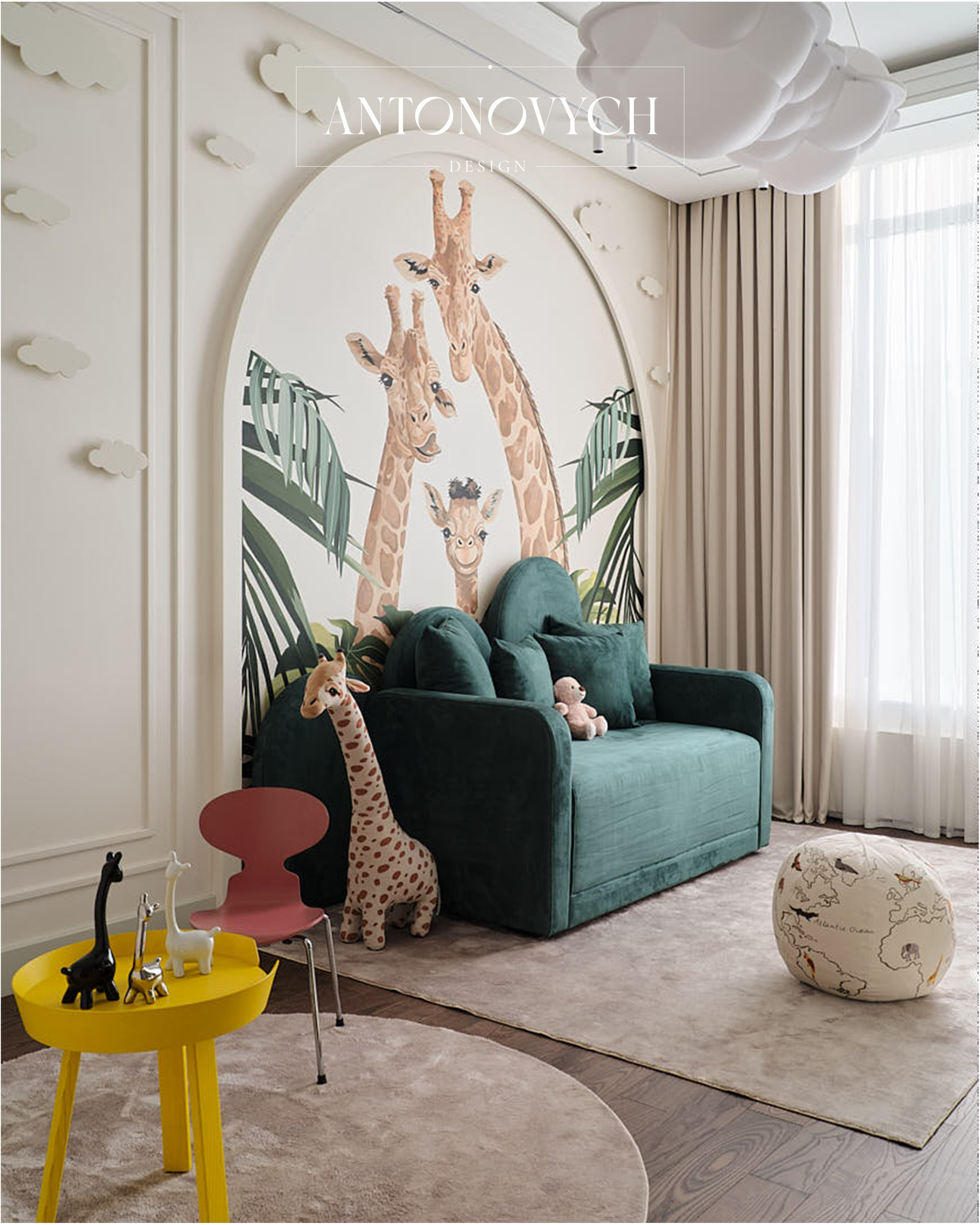
The interior design of a child's room should also support the child's interest and creative potential. This can be reflected in the thematic decoration of the room: for space lovers - elements reminiscent of the universe, for little artists - spaces for drawing and creativity. Diverse textures, bright wallpapers, unusual lamps, or thematic accessories help make the room unique and stimulating for the child's development.
The design project for a child's room also includes attention to details that contribute to the child's personality development. The application of various stylistic directions, be it modern, minimalism, or fantasy, helps create an atmosphere in which the child can develop their interests and hobbies. It is important to remember that a child's room is not just a place to sleep, but a space where the child feels safe and can create, learn, and relax.