
A new Antonovych Design showroom has opened in Astana. The project reflects a shift in the demand structure for premium interior solutions and changes in the approach to forming residential and public environments in the capital.
The opening of the new Antonovych Design showroom in Astana was not accompanied by an attempt to create an effect. The project is presented differently — as a long-term infrastructure investment in the professional environment, rather than an image-driven gesture. In conditions where interior design increasingly becomes part of the investment logic of development, such an approach seems rational and timely.
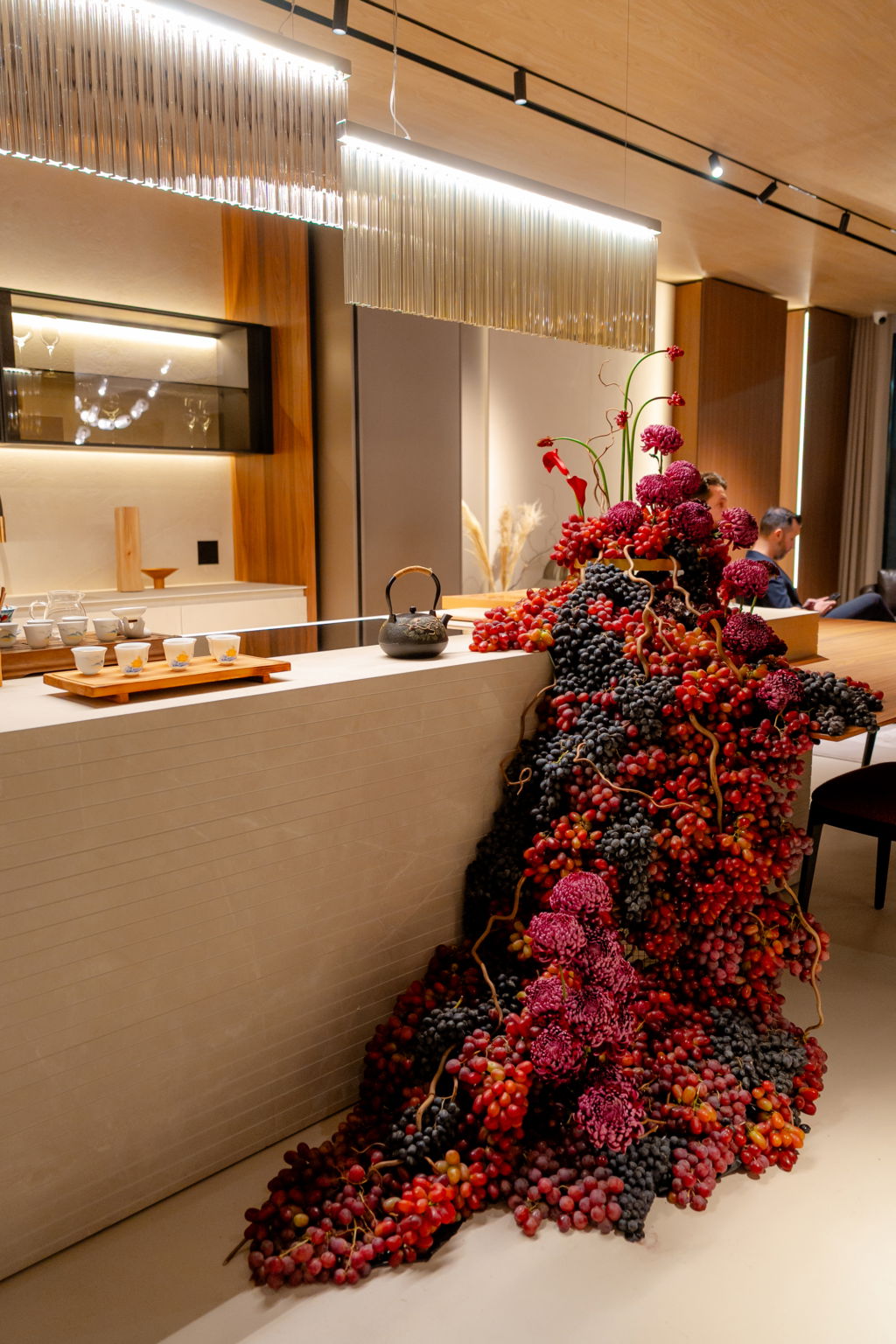
The showroom is located in a three-story space, organized not as a display hall, but as a working model of future interiors. What is important here is not exhibition density, but the scenario: movement, scale, the ratio of textures and light. Visitors perceive not individual items, but the logic of the environment — the very thing that is usually impossible to assess from catalogs or visualizations.
The exhibition is based on European factories with decades of established reputation. The project features, among others, Baxter, Modulnova, and Flexform. This is not a selection of ‘big names,’ but a consistent choice in favor of manufacturers who work with the architectural logic of interior design, rather than with quick effects. For the local market, this signals a shift in focus: from decorativeness to the quality and service life of solutions.
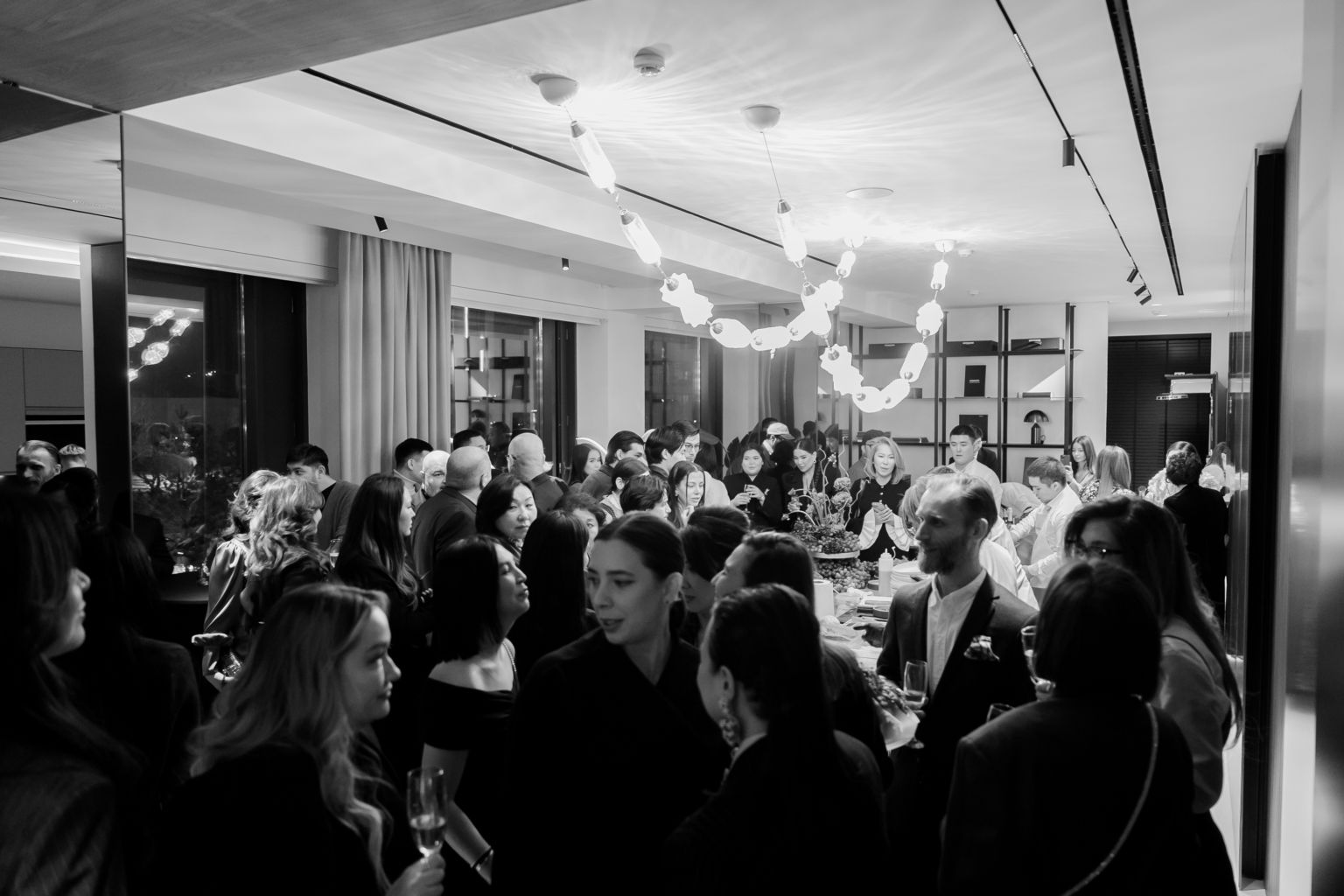
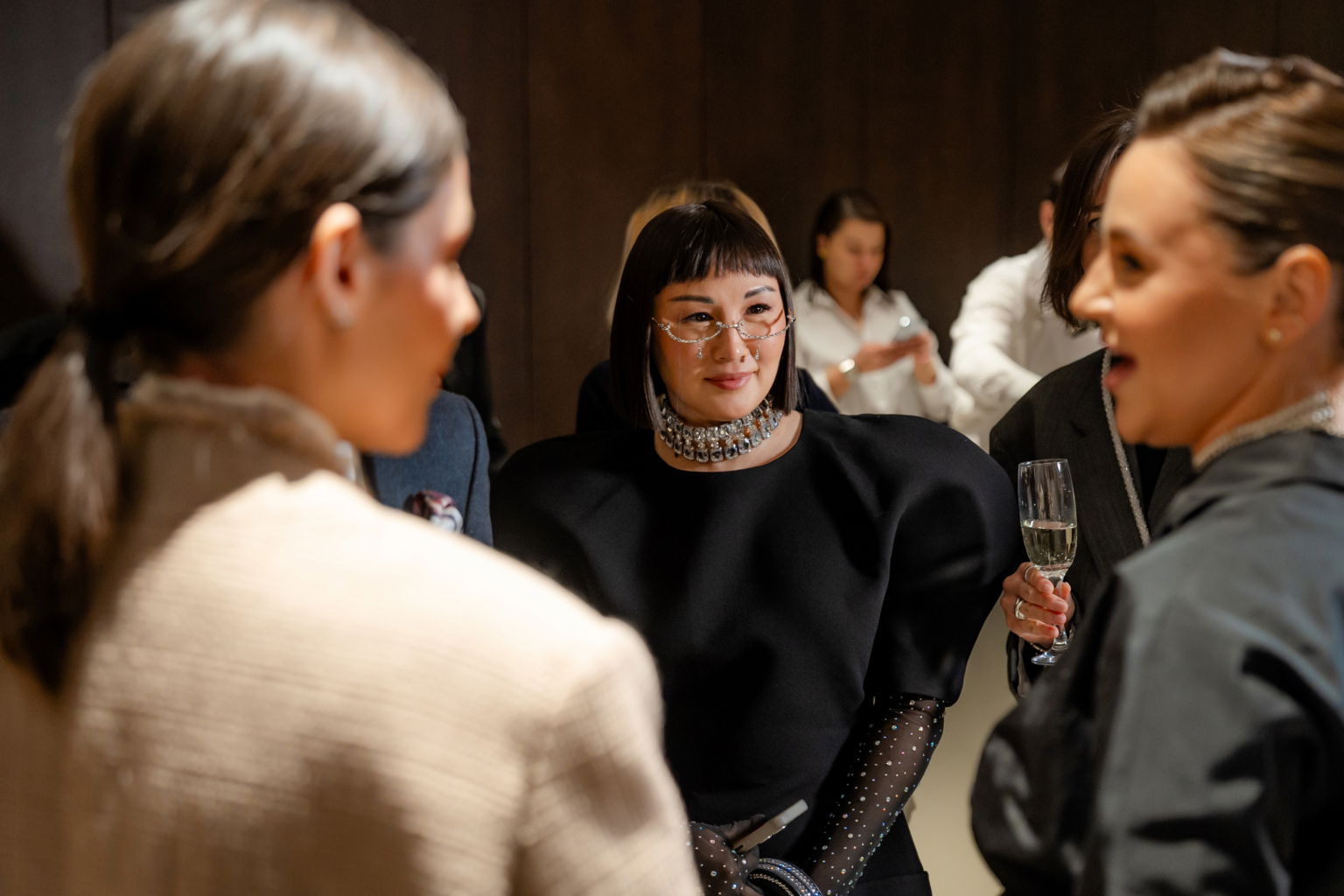
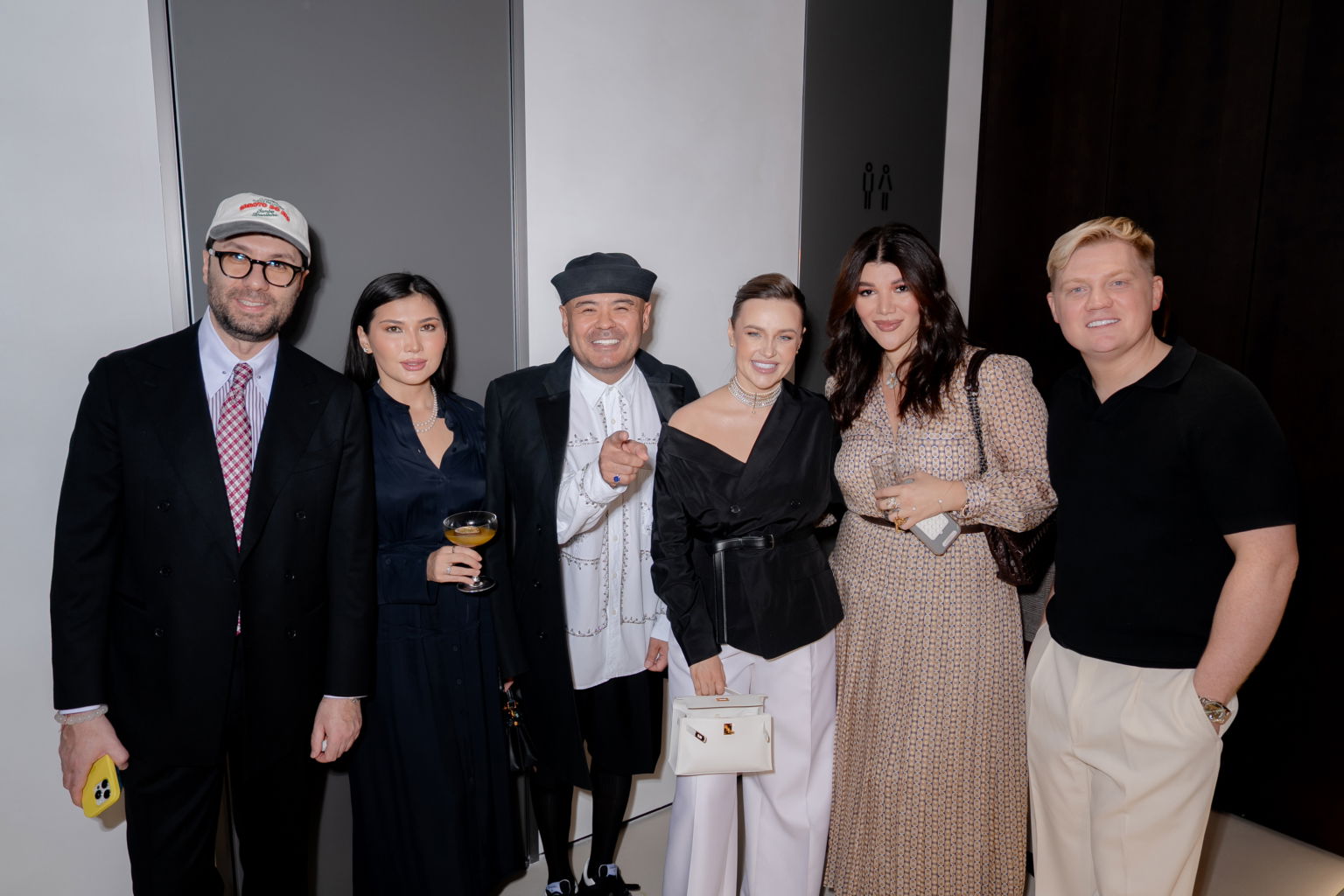
Architects, designers, developers, business representatives, and private clients attended the opening. The communication format was structured without entertainment attractions or external attention triggers. The space was not accompanied by explanations — it functioned as an argument in itself, which proved more convincing than any presentation for the professional audience.
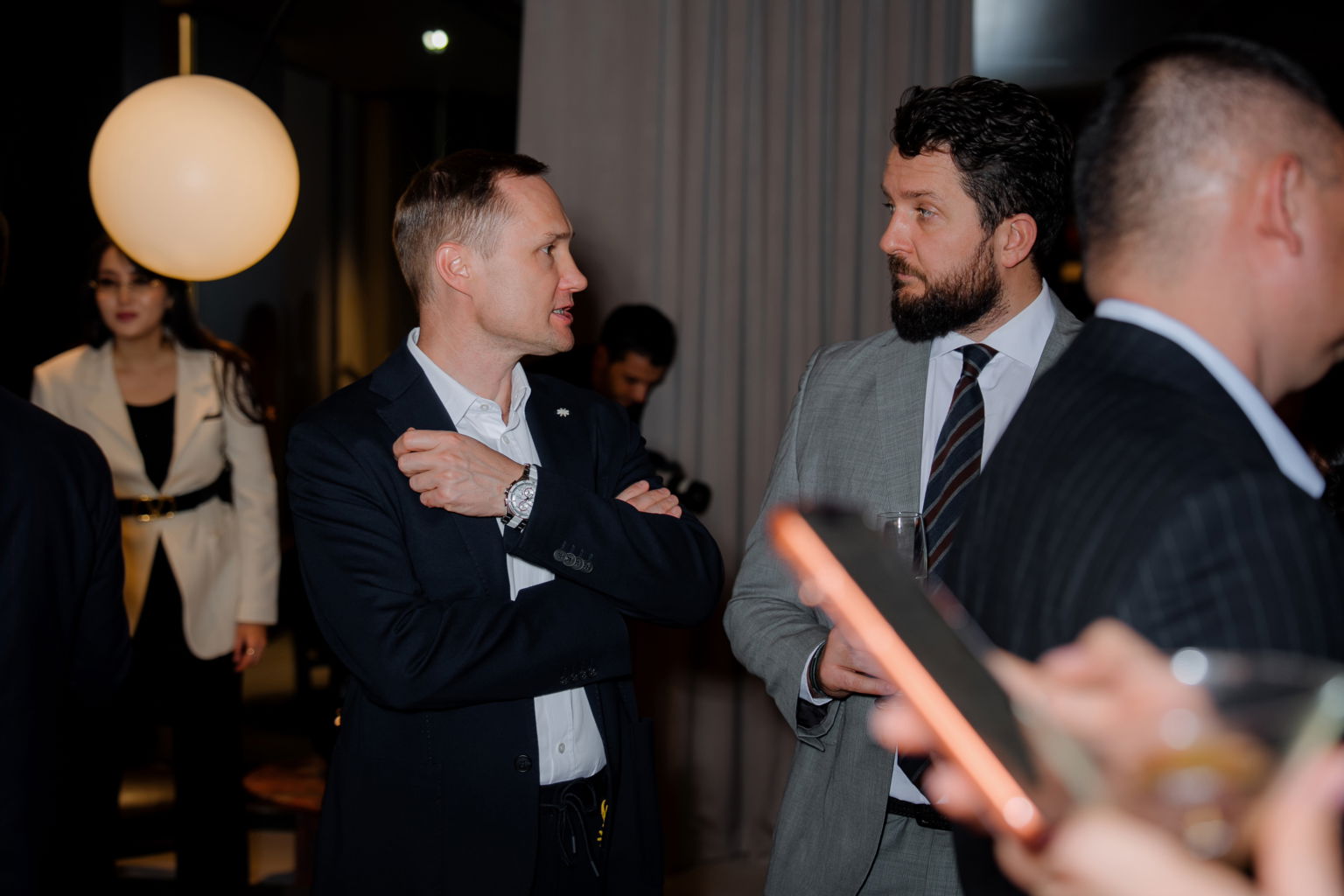
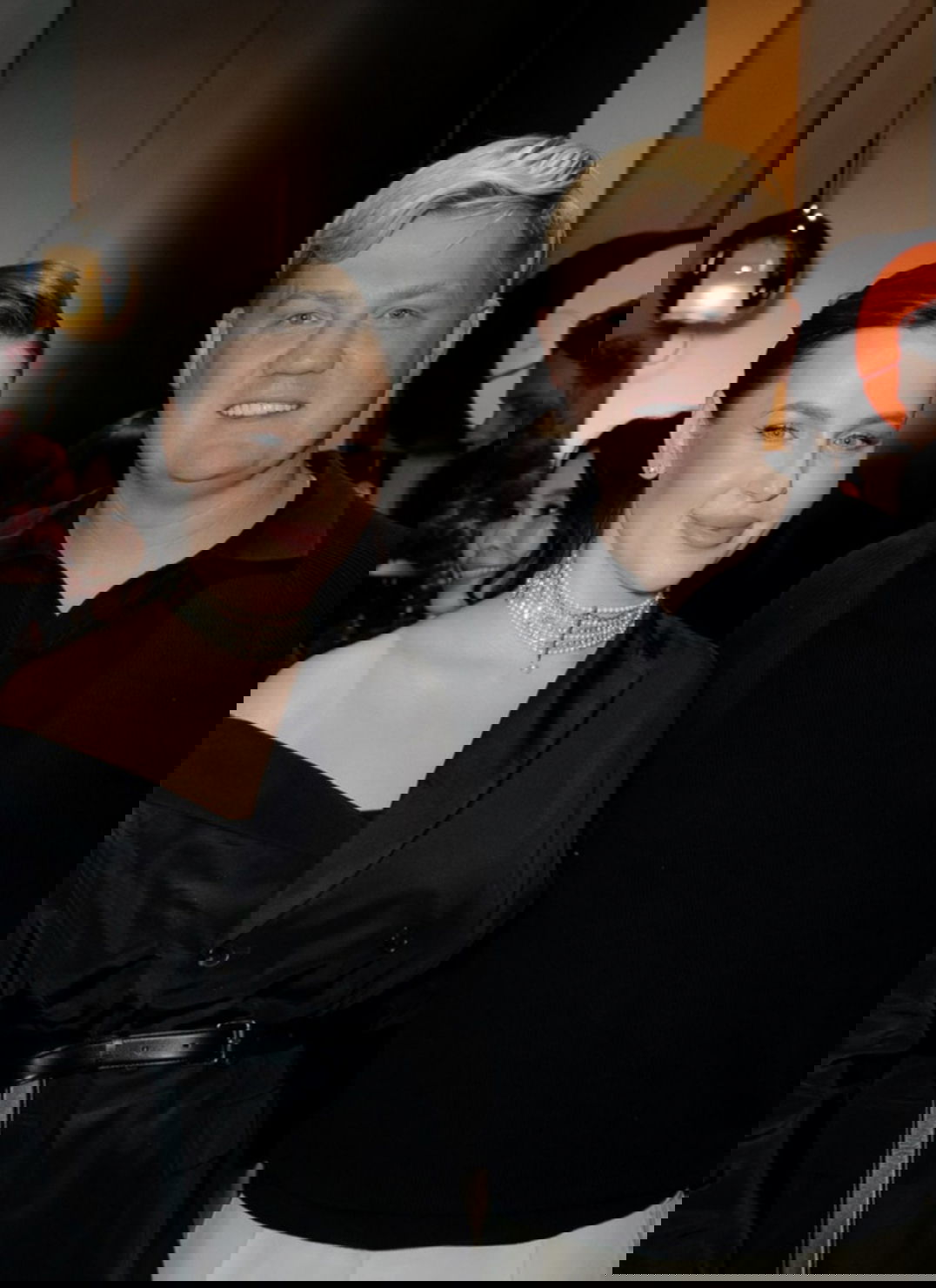
The presence of Nikolai Vasilenko, known in the public sphere as ‘The Smiling Man,’ was discussed separately. His interest in the project was not formal: he had visited the showroom before. For guests, this served as an additional marker that the space is perceived not only as a professional tool but also as a point of personal interest for people outside the interior design market.
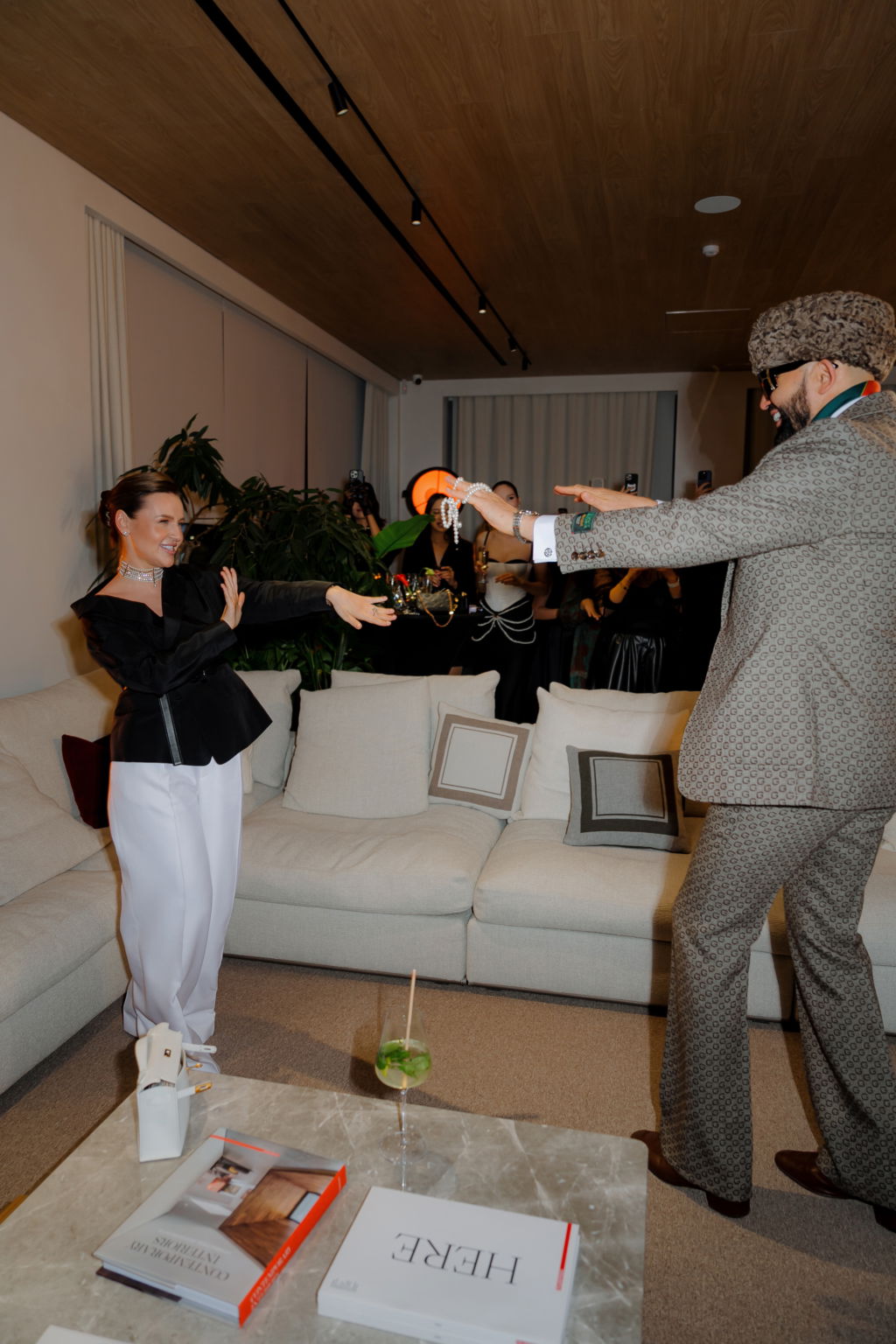
Svetlana Antonovich, co-founder and creative director of the company, outlined the key framework of the project during the opening: the showroom is conceived as an open professional platform — a place where systemic work of architects, designers, and partners is possible. Dmitry Korotchuk, director and co-founder of Antonovych Design, in turn, emphasized that the project’s task is not to demonstrate the assortment, but to form a sustainable attitude towards interior design as an element of quality of life and the investment value of an object.
In market logic, the appearance of a showroom in Astana seems justified. The city is actively scaling up, the structure of residential and commercial projects is becoming more complex, and the demand for comprehensive interior solutions is growing. At the same time, the infrastructure of the premium segment has so far developed fragmentarily. The new showroom fills this gap, offering not a service, but a system. The launch of Antonovych Design in Astana is not a seasonal event or a fashionable gesture.
It is an indicator of changing consumer and professional thinking: from situational choice to strategic, from visual impression to a well-thought-out environment. This is why the project deserves attention not only from the design community but also from those who view interior design as part of a broader economic and cultural transformation of the city.