
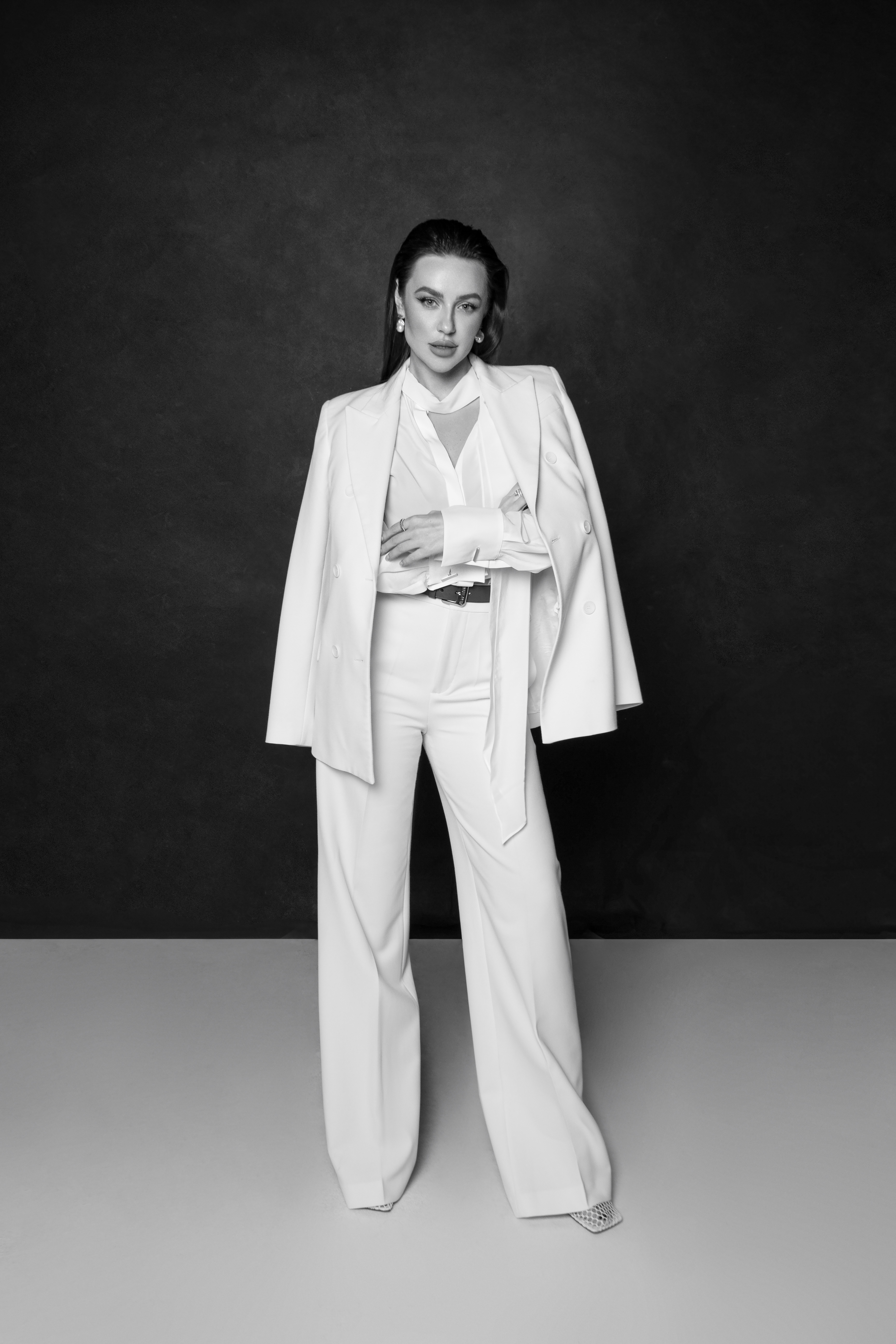
What truly brings an interior to life? Lighting – an art form with no visible boundaries, yet it creates them. Svetlana Antonovich, creative designer at Antonovych Design studio, shares professional secrets on how to control light to create drama, comfort, and emotion in a premium-class interior.
Svetlana, how do you define the role of lighting in a premium-class interior?
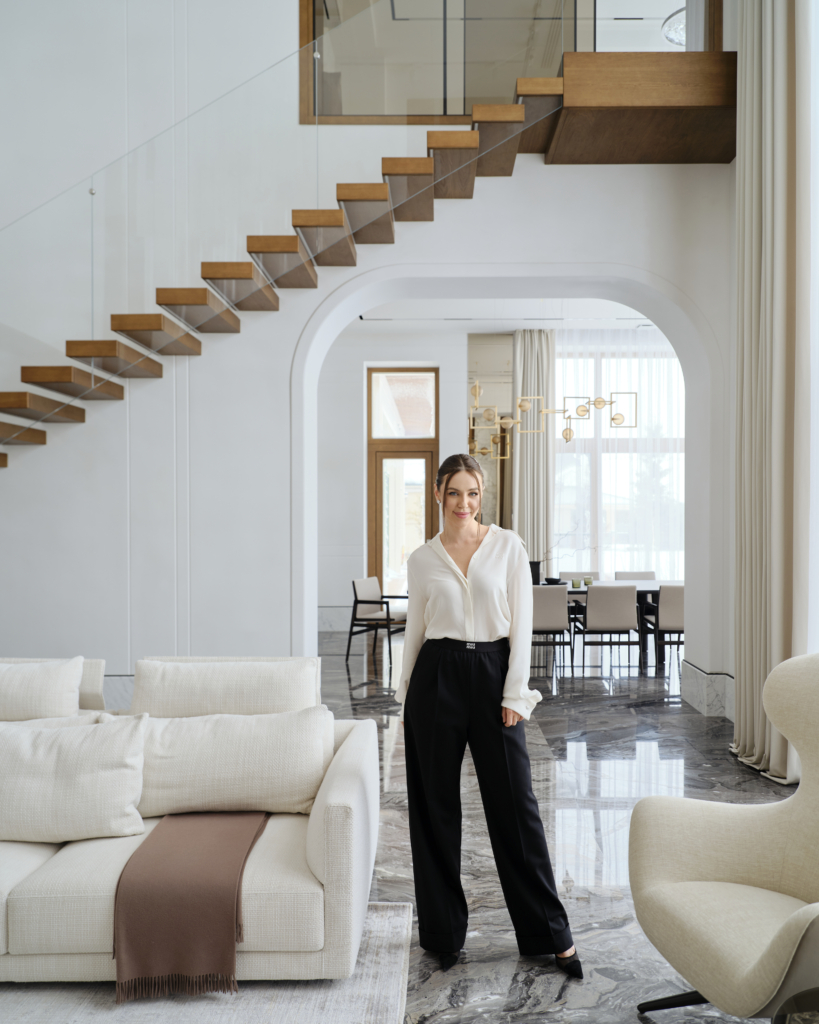
— Lighting is not just a functional element; it’s one of the main tools for creating atmosphere. In premium interiors, light defines the dynamics of the space, adds depth, and can even shape a sense of luxury. For example, the correct distribution of shadows and highlights can ‘tell’ the story of an interior, making it more intriguing and layered.
How do you approach selecting lighting fixtures for such projects?
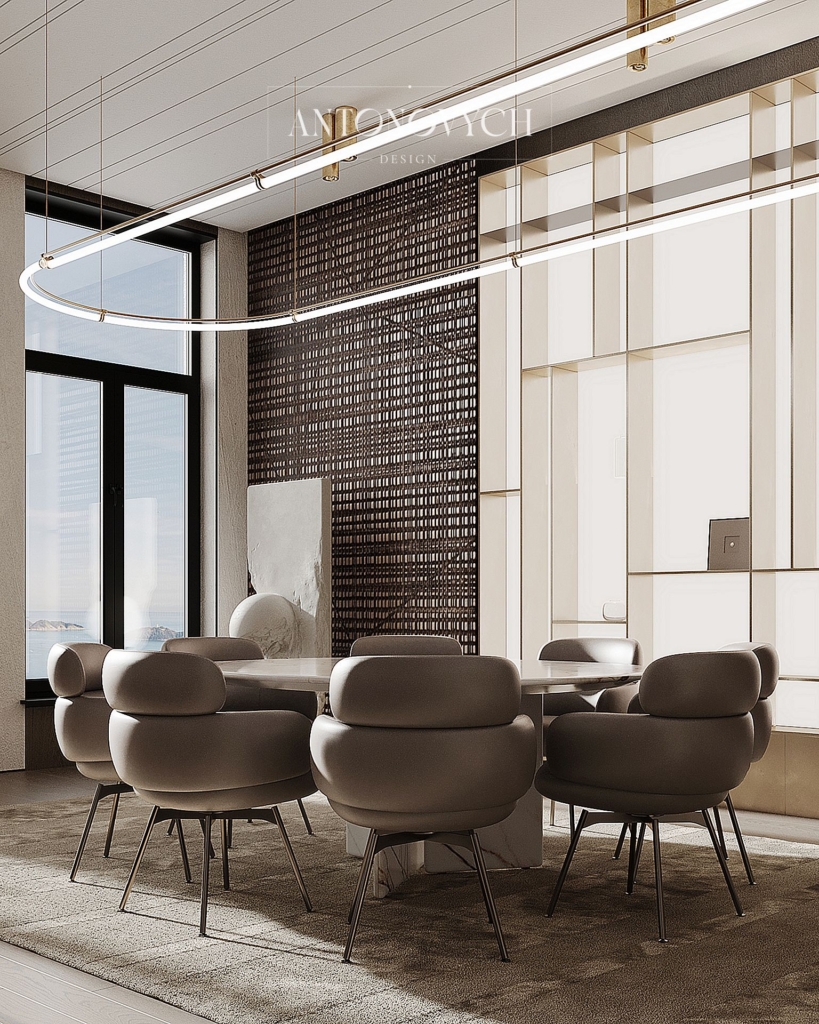
— It all starts with the concept. For premium class, it’s not enough to simply choose expensive chandeliers or sconces. You need to consider architectural features, materials, color schemes, and even cultural context. For instance, we often use a combination of directional and diffused light to emphasize textures and create a soft contrast between zones.
You mentioned lighting scenarios. Could you explain how they work in your projects?
— Lighting scenarios are adaptive solutions for changing the atmosphere depending on the time of day, mood, or tasks. In one project, we implemented automatic lighting adjustment: in the morning, the interior was filled with warm, diffused light, and in the evening, with deep, dramatic light. Such scenarios allow residents to literally ‘live’ in different dimensions of light.
What modern technologies do you use to create lighting solutions?
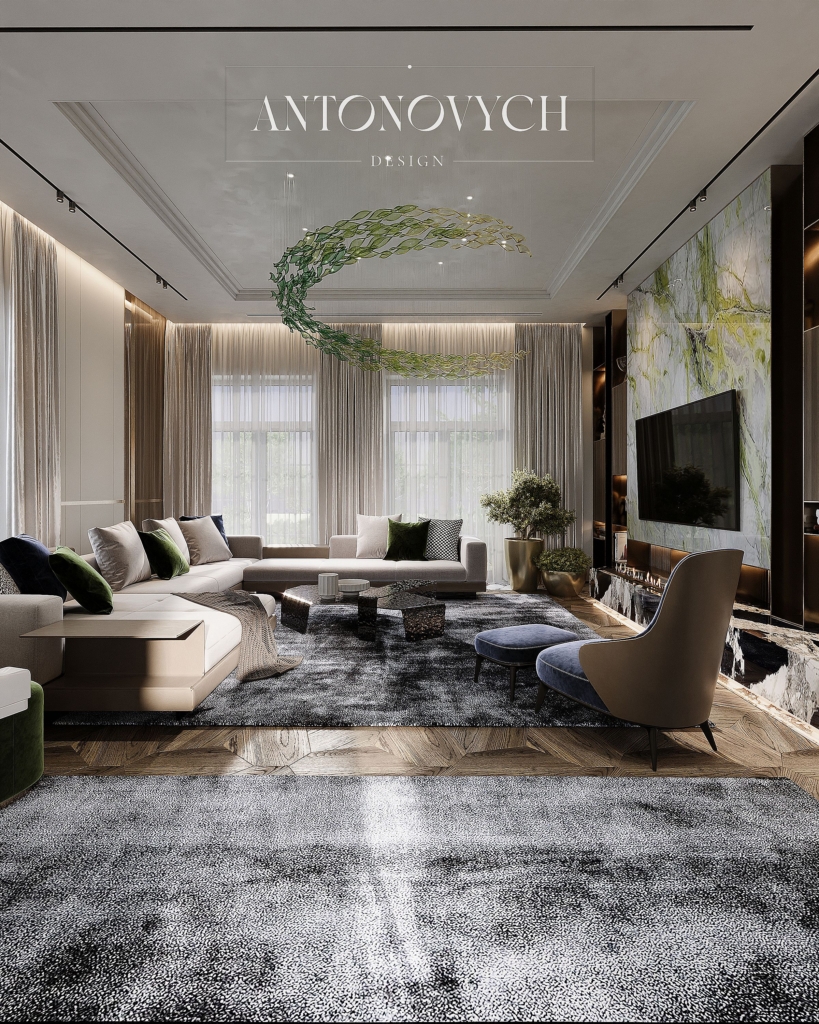
— Today, it’s impossible to ignore LED technologies, smart home systems, and LEDs with adjustable temperature. We also actively implement laser projections to create ‘invisible’ light sources. They are minimalistic, but their effect is stunning: light ‘flows’ without leaving traces of equipment.
What role do shadows play in your work with lighting?
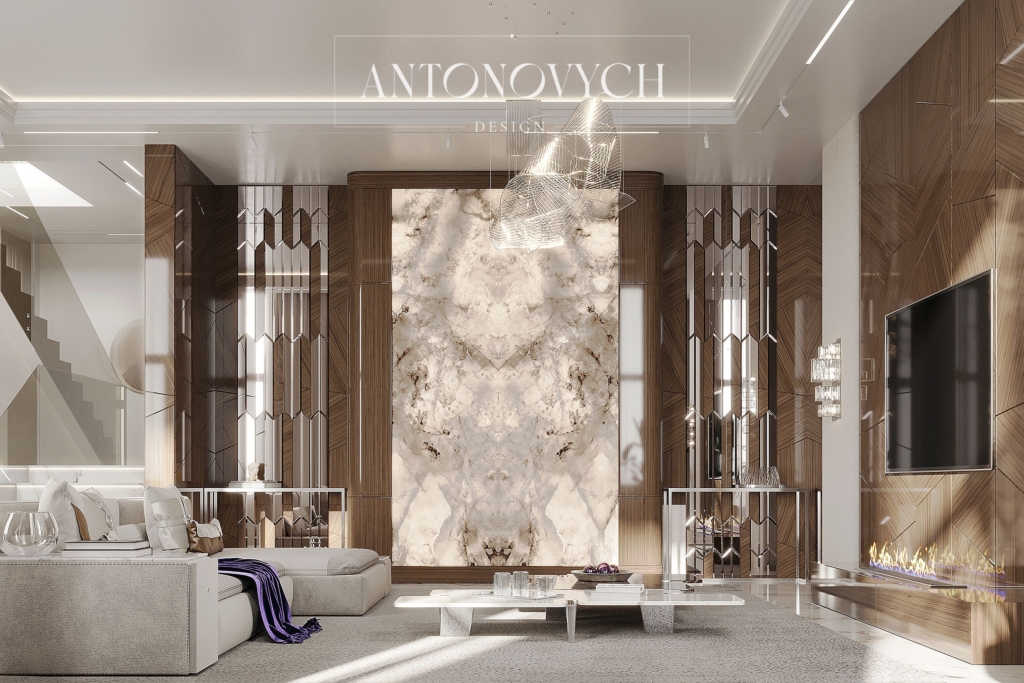
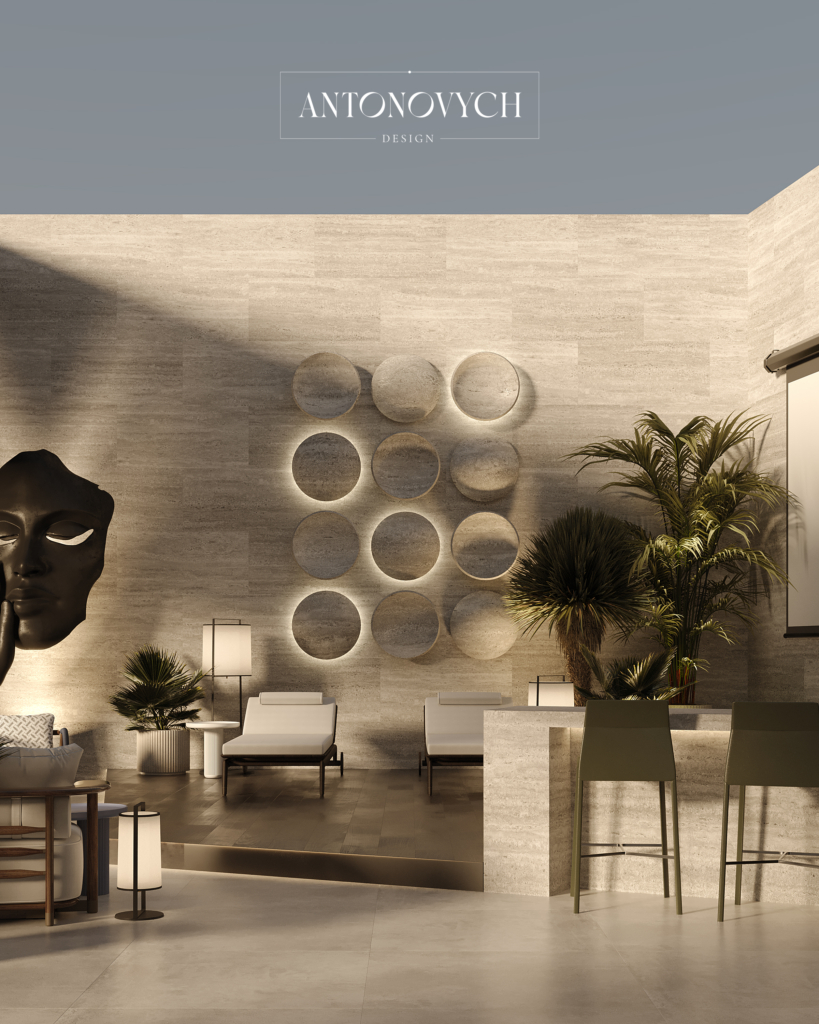
— Shadows are an extension of light. They give volume to architectural forms, highlight accents, and even create visual drama. For example, one of my favorite solutions is using light in such a way that it creates a play of shadows on marble walls. It’s like a constantly changing painting.
What are the most common mistakes made when working with light in an interior?
— The most common mistake is uniform lighting throughout the entire space. It kills dynamics and emotions. The interior becomes flat, losing its intrigue. Many also forget to consider color temperature: cold light in living areas can look unnatural, while warm light in workspaces reduces concentration.

Lighting in an interior is an art that requires a subtle understanding of space, materials, and human perception. Light becomes a powerful tool for the designer, allowing them to set the rhythm, create mood, and form unique life scenarios. Svetlana Antonovich’s approaches demonstrate how attention to the smallest details of lighting can change not only the visual perception of an interior but also the very philosophy of living in a space. This is work at the intersection of architecture, psychology, and technology, where every shadow, every accent of light matters.