
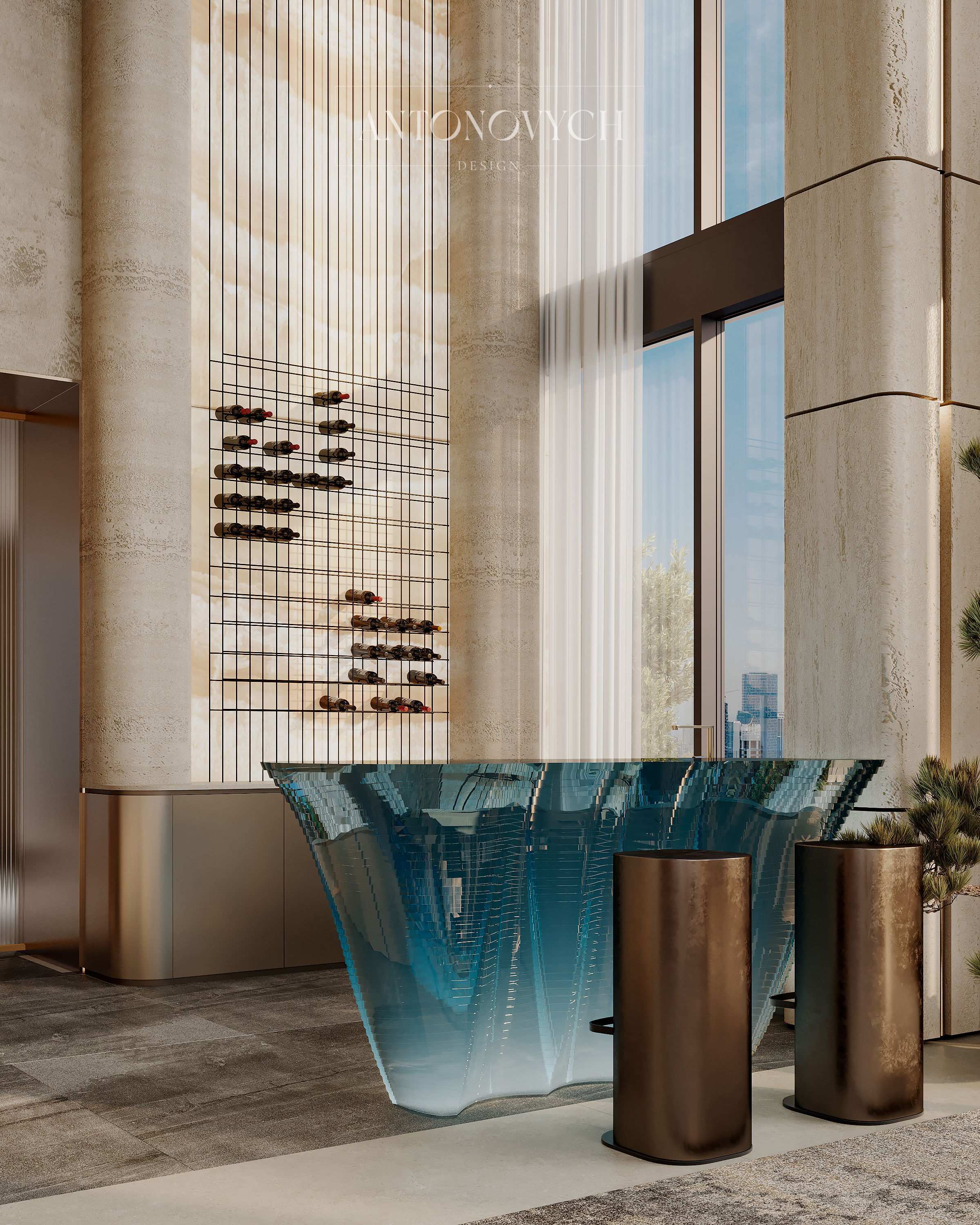
Luxury in architecture is not just expensive materials or complex decor, but a language of time and technology. From Palladio’s precise proportions to the free digital forms of 21st-century parametricism, each historical stage set its own codes. Today, premium interiors are built on individuality, dynamism, and technology, and Antonovych Design is at the forefront in this regard. “For us, modern luxury is a space that lives and changes with a person,” shares creative designer Svetlana Antonovich.
Palladio: Origins of the Architectural Code
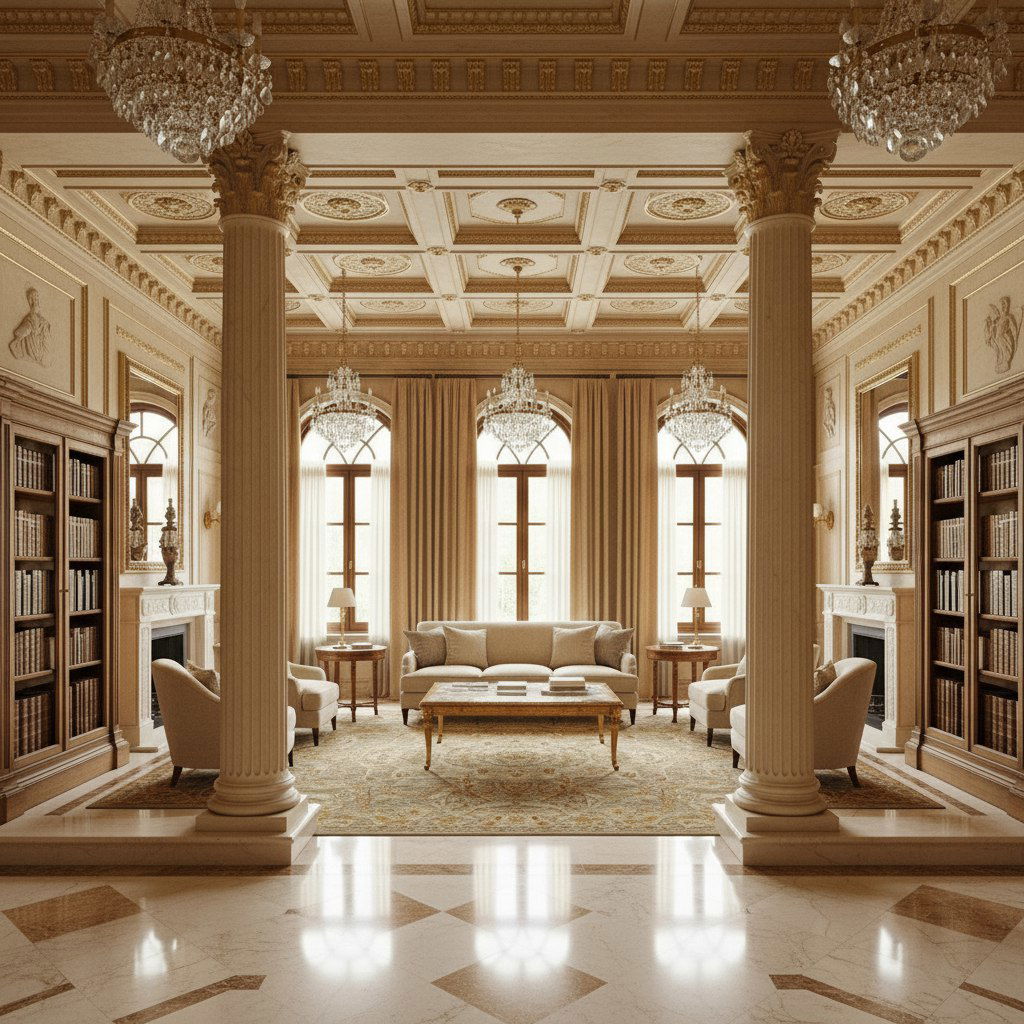
Even after five centuries, Andrea Palladio’s ideas remain surprisingly relevant. His “Four Books of Architecture” formally set the rules of harmony and proportion, but behind these schemes lay a whole language of aesthetic understanding. Historians note that over 40 buildings in 18th-century London were built in the spirit of Palladianism – a symbol of how the rigor and precision of forms were perceived as a sign of sophistication. Today, an interesting parallel can be drawn: if compasses and rulers were used before, now the precision is ensured by the algorithms of parametric architecture.
Baroque: The Emotional Luxury of Power
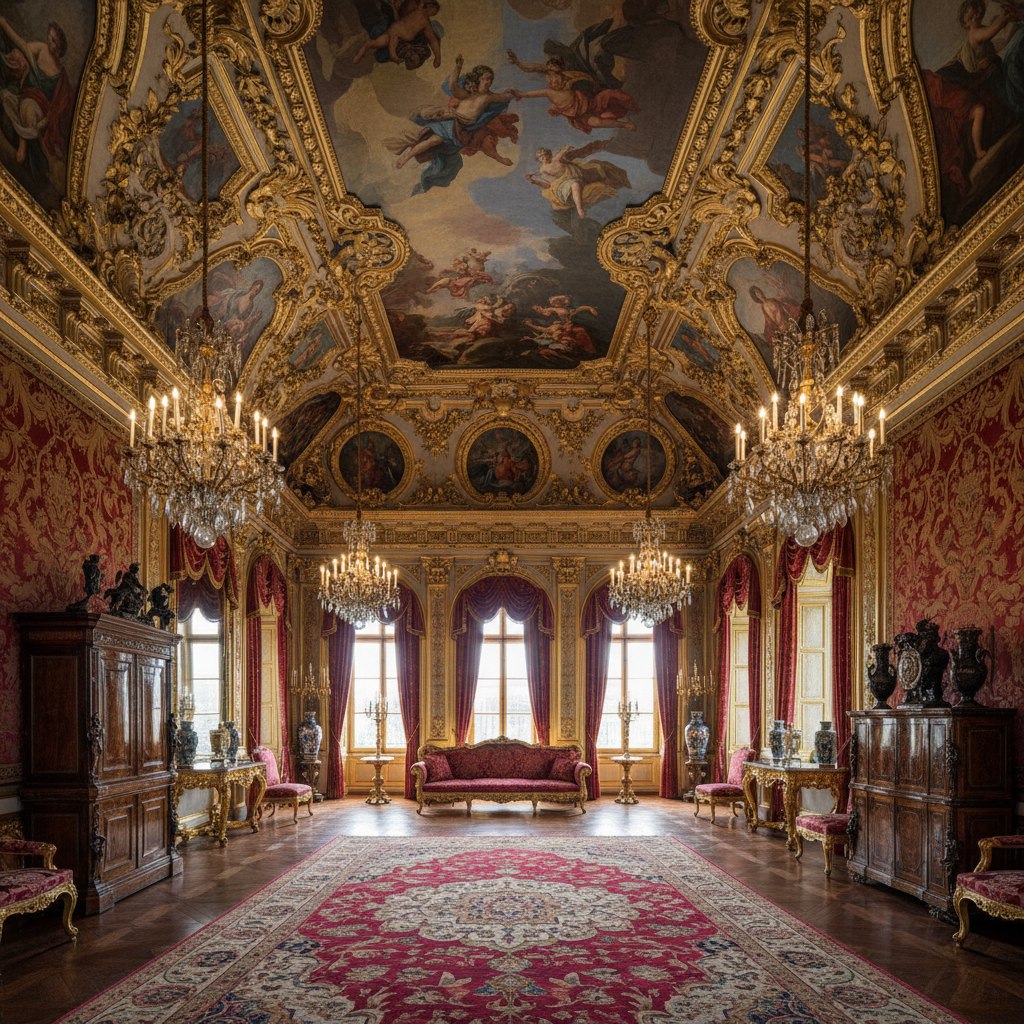
17th-century Baroque was the first “wow effect” architecture. The palaces and cathedrals of Rome, Versailles, and Vienna were created not only for living but also to demonstrate power and status. Versailles took over 30,000 workers and about 40 years to build – today, this is comparable to massive skyscrapers or iconic luxury hotels. And although Baroque forms seem far from modernity, the very idea – to impress, to create emotion – lives on in today’s premium interiors.
Art Nouveau and Modernism: The Search for Individuality
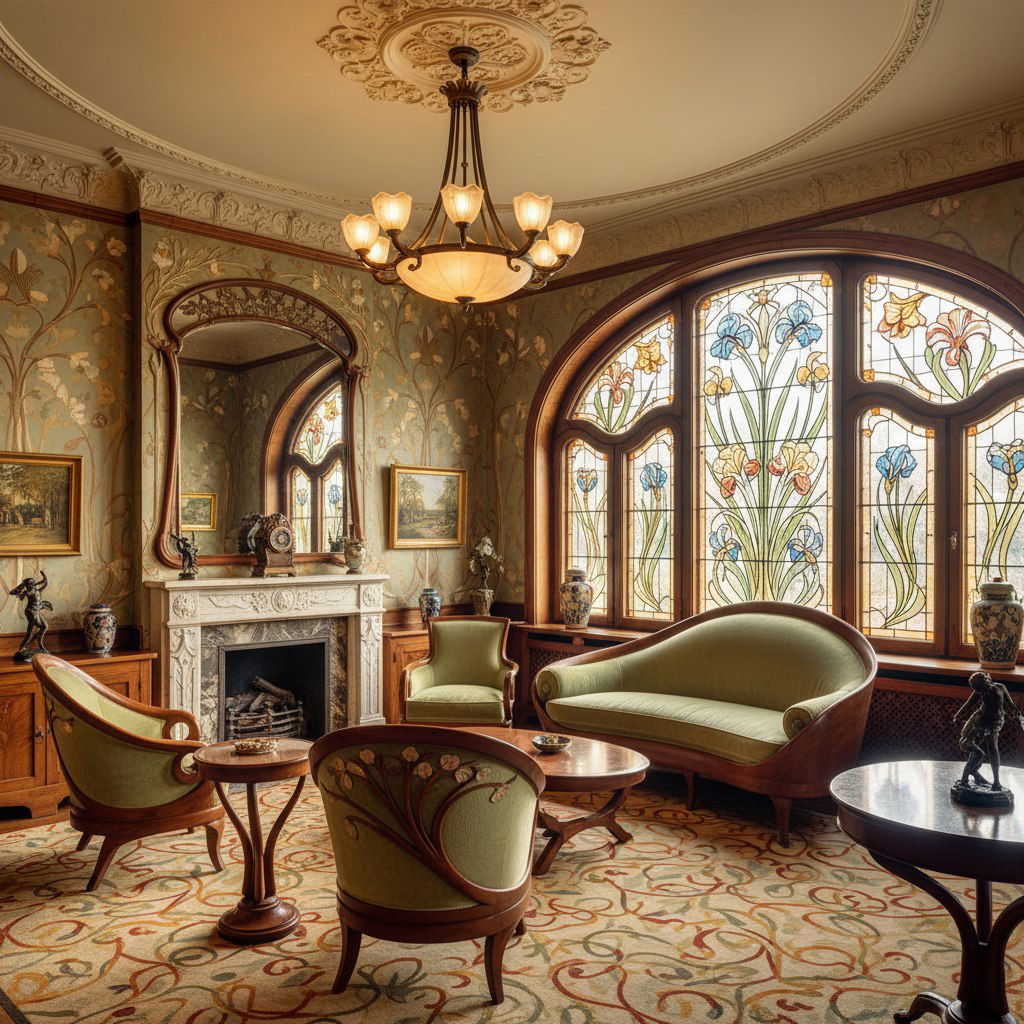
The late 19th and early 20th centuries gave the world the first true freedom of forms. In Brussels and Paris, the houses of Victor Horta and Hector Guimard seemed to come alive: lines curved, facades and furniture obeyed organic principles, and decorative elements were handcrafted. At the 1900 World’s Fair, Art Nouveau pavilions were visited by over 50 million people – a fantastic number for that time. Today, we see this philosophy in parametric interiors: flowing lines, fluid forms, and unusual compositions create a unique visual language.
Minimalism: The Luxury of Emptiness and Material
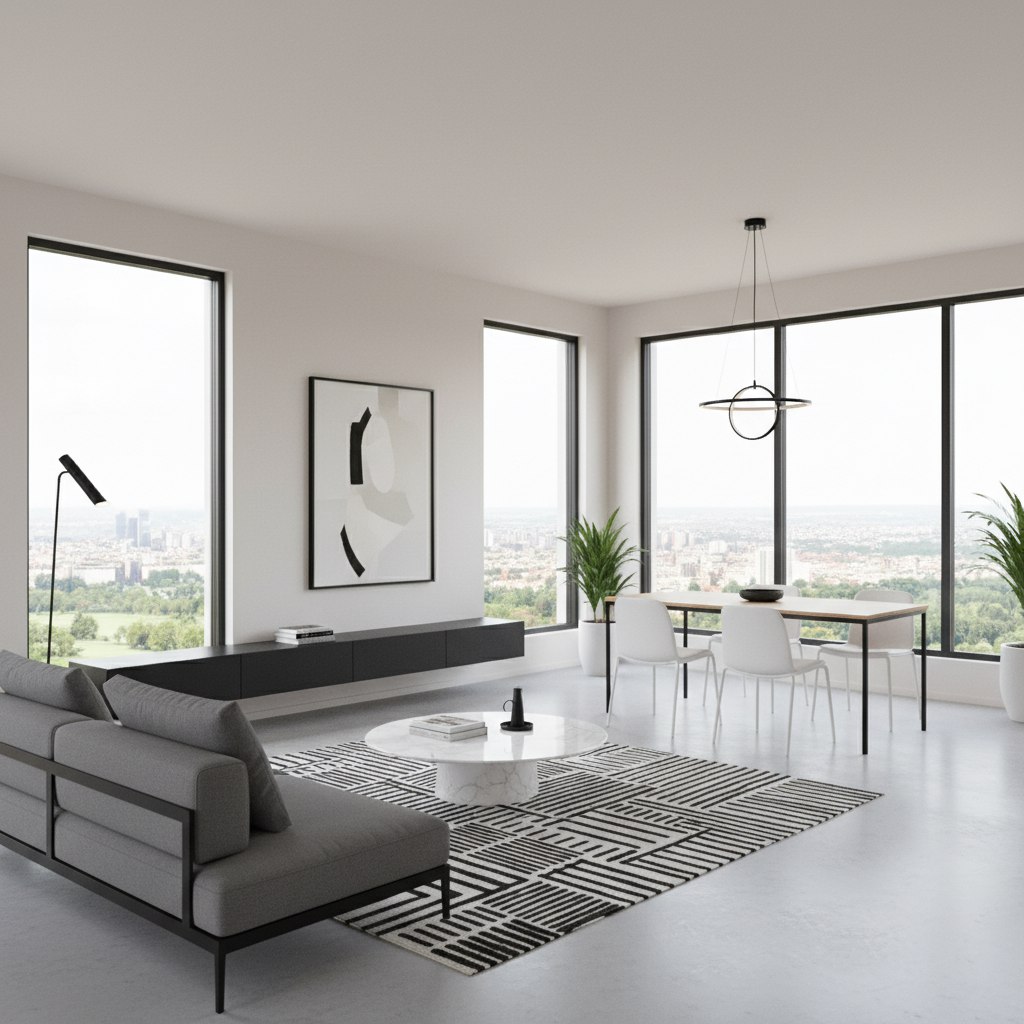
In the 20th century, wealth began to be measured not by details, but by space, light, and materials. Mies van der Rohe formulated “Less is more,” and minimalism became a symbol of intellectual luxury. Empty spaces, minimal visual clutter, clean lines – all this creates a sense of freedom and tranquility. According to recent real estate market research, properties in a minimalist style are valued 15–20% higher than conventional ones due to their versatility and sense of spaciousness. At Antonovych Design, we combine minimalism with parametric plasticity and technological integration to create a modern premium interior.
Parametricism: The Digital Revolution in Design
Today, parametric architecture is not only spectacular but also functional. Algorithms allow for the creation of flowing lines, complex volumes, and dynamic structures. “Parametricism gives us the freedom to experiment with form, light, and textures, making each interior unique”, explains Svetlana Antonovich. Here, every detail is calculated with precision, and the space feels alive.
Antonovych Design and the Aesthetics of Parametricism
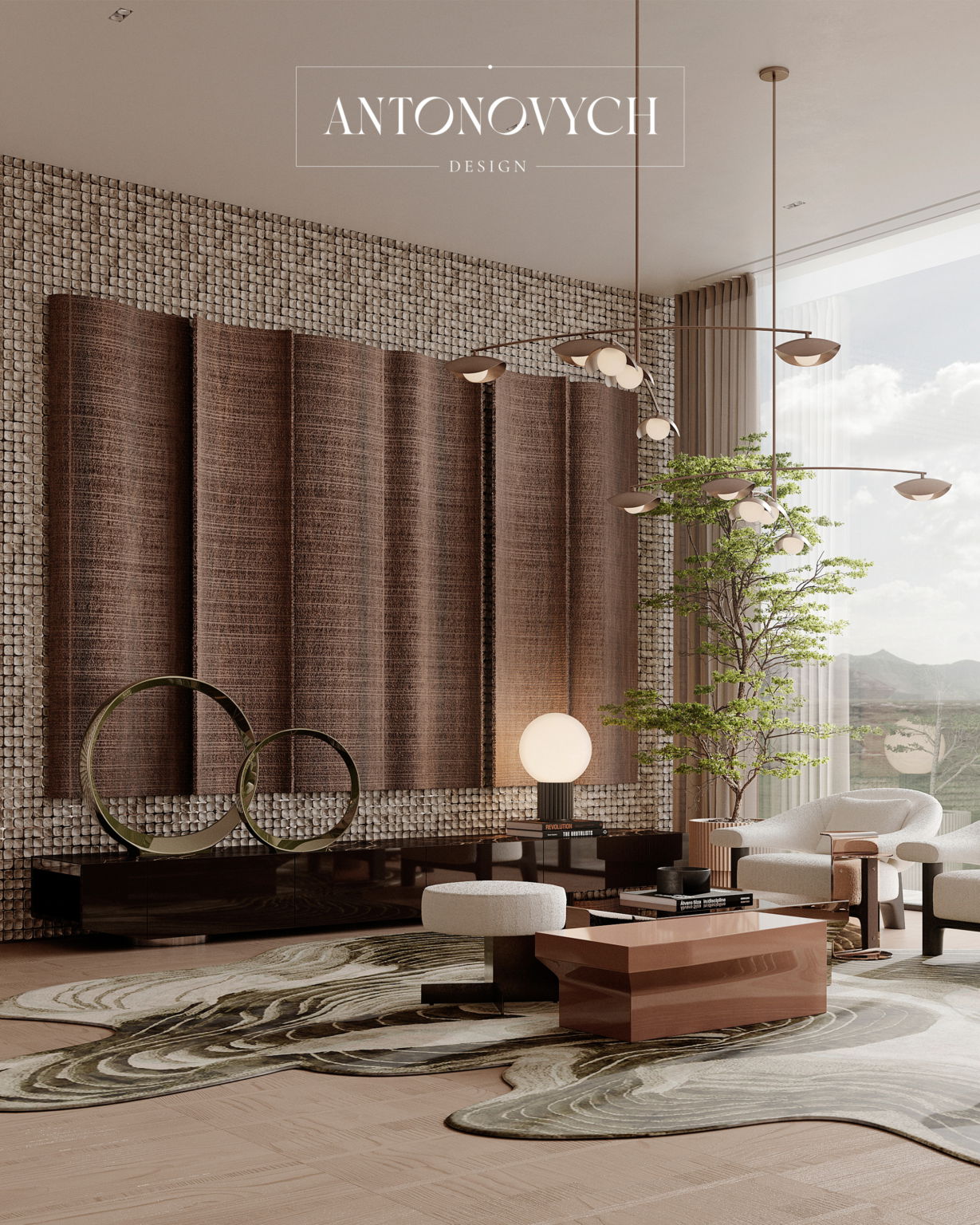
At Antonovych Design, modern style and parametric forms are not just decor, but the foundation of the concept.Non-standard partitions and wall panels: organic and geometric patterns with integrated shelves and lighting create visually clean, dynamic spaces.
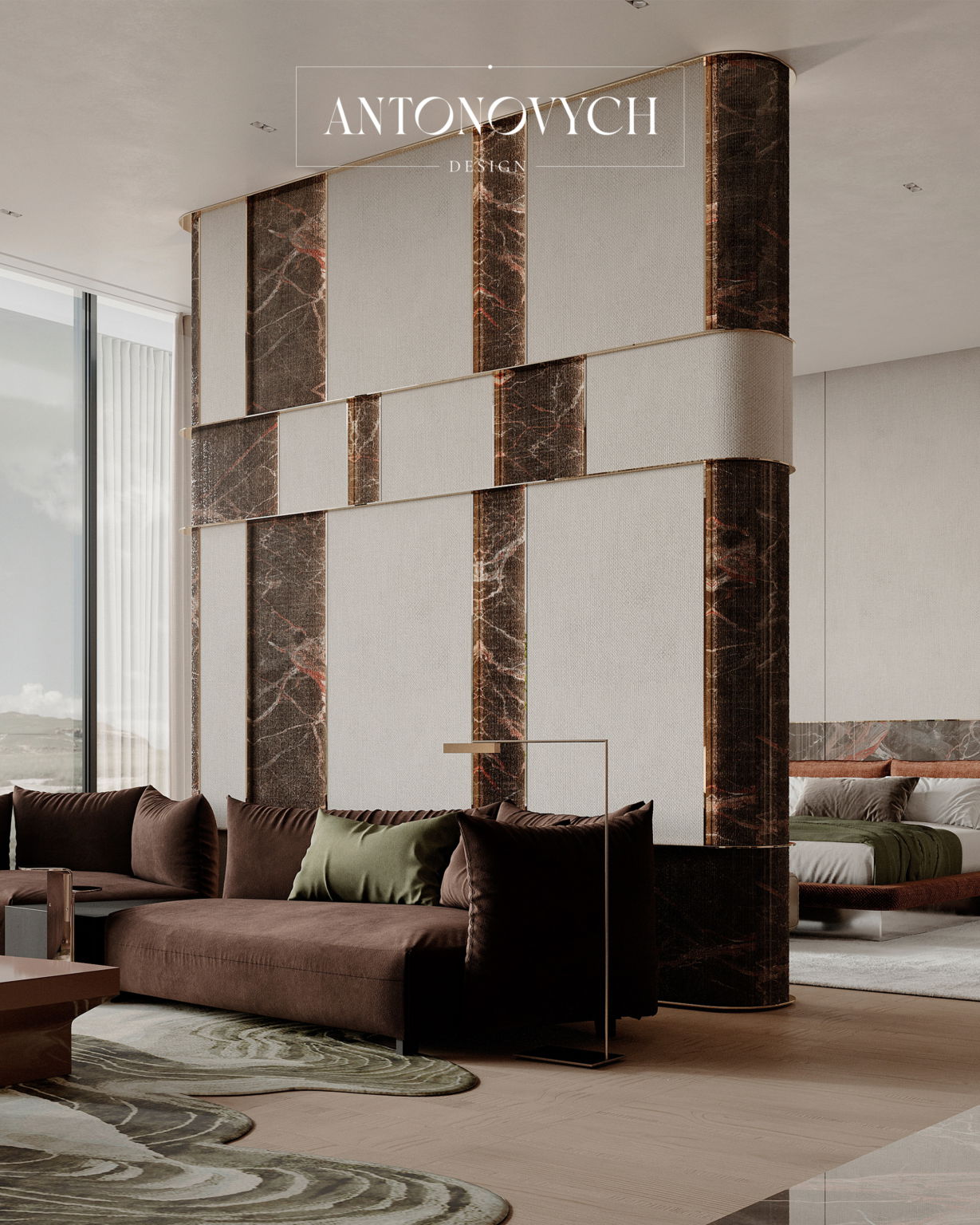
Parametric furniture: tables, consoles, and shelving units made of acrylic, metal, and composites, echoing the forms of the space and emphasizing its individuality.Lighting and dynamic elements: panels and wall structures react to movement, light, and scenarios, creating the effect of a “living” interior.Engineering integration: hidden communications and multimedia are built into the forms of walls and furniture, maintaining a minimalist aesthetic and technological sophistication.
Specific Objects and New Standards of Luxury
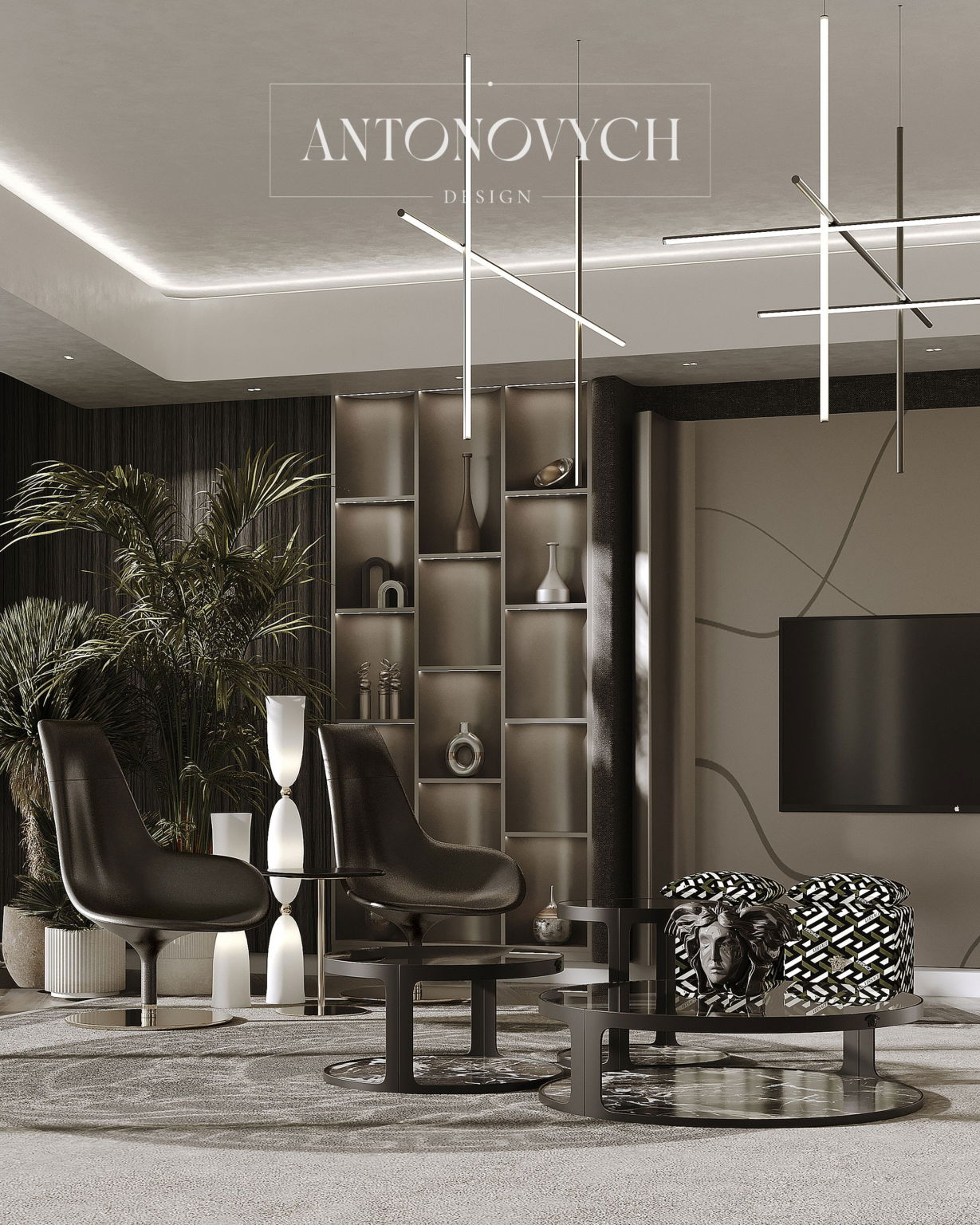
Premium-class apartments with flowing partitions and an integrated light and climate control system.Private homes with parametric wall structures, built-in furniture, and dynamic elements that create a sense of movement and vibrancy in the space.Commercial spaces – offices and showrooms with dynamic walls and panels that provide visual “drive” and reflect a modern art approach.
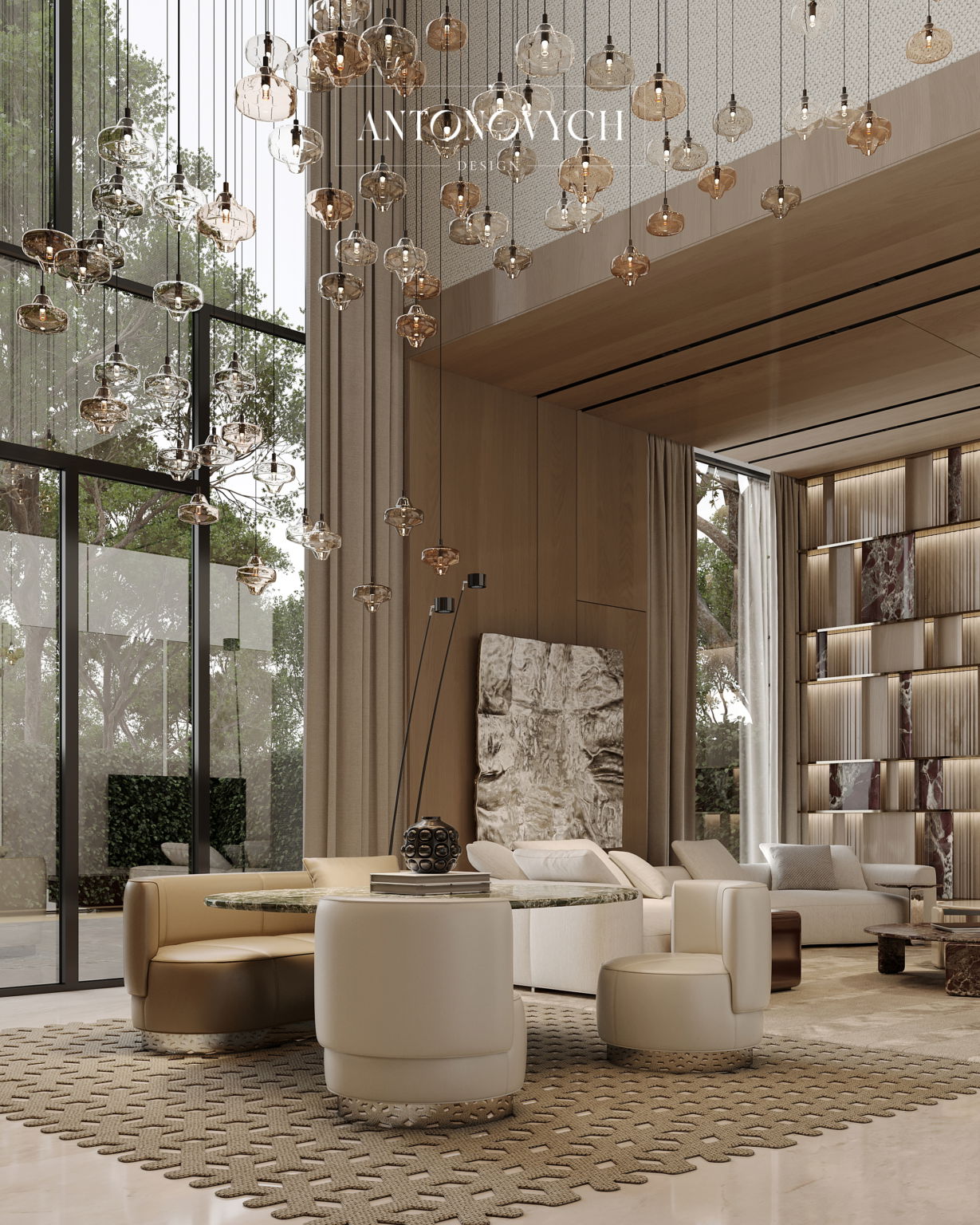
The evolution of architectural codes of luxury shows that true wealth is individuality, freedom of forms, and technological sophistication. Antonovych Design creates interiors where digital algorithms form the aesthetic language of the 21st century, and every detail is subject to a unified concept. “For us, it’s important that the interior lives with the person. True luxury today is a synthesis of form, technology, and emotions,” summarizes Svetlana Antonovich.