
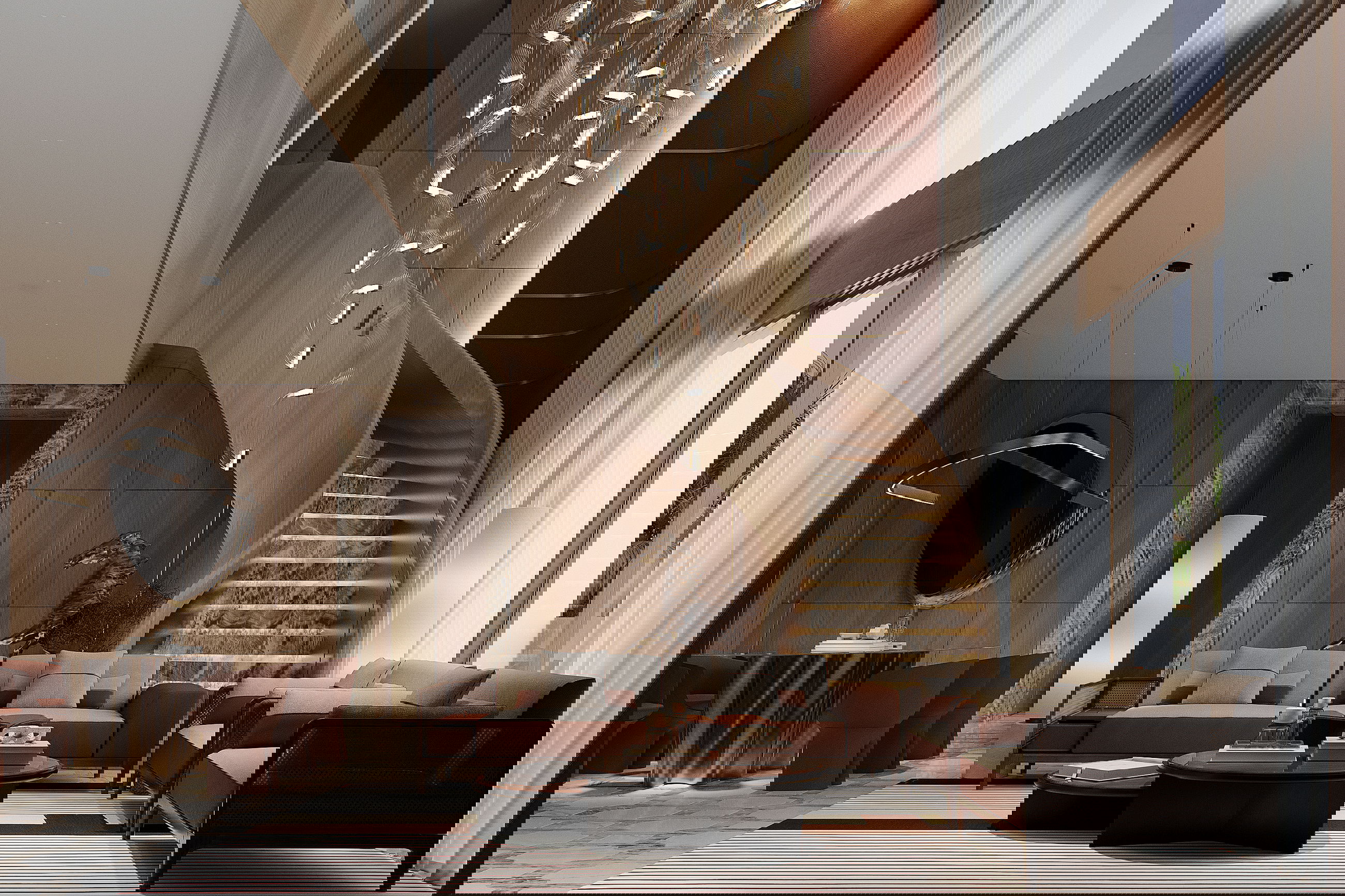
A modern home in the premium segment has ceased to be exclusively a private space. It becomes part of a person’s public reputation — a visual expression of their values, taste, cultural level, and breadth of thinking. The interior of a residence can enhance a personal brand as effectively as media, business presentations, or social networks.The article’s expert is creative interior designer Svetlana Antonovich, founder and ideologist of Antonovych Design studio, which sets new standards for luxury interiors and is part of the professional environment where top interior designers of Kazakhstan and the best interior designers of Astana work.
Home as a Strategic Tool for Personal Branding
Today, a personal brand is formed not only through professional achievements but also through the visual environment in which a person lives. The home interior becomes part of communication with partners, investors, and business associates.According to luxury real estate market research, about 68% of premium residence owners regularly hold business meetings and private events at home, which turns the interior into a tool for reputational positioning.Creative designer of Antonovych Design Svetlana Antonovich notes:
“A successful person’s home is an extension of their personality. Through the architecture of the space, one can understand how the owner thinks, their scale of thinking, and the values they convey.”
In the elite segment, design becomes part of a long-term personal brand strategy — just like clothing style, a car, or an art collection.
Interior as a Language of Values and Worldview
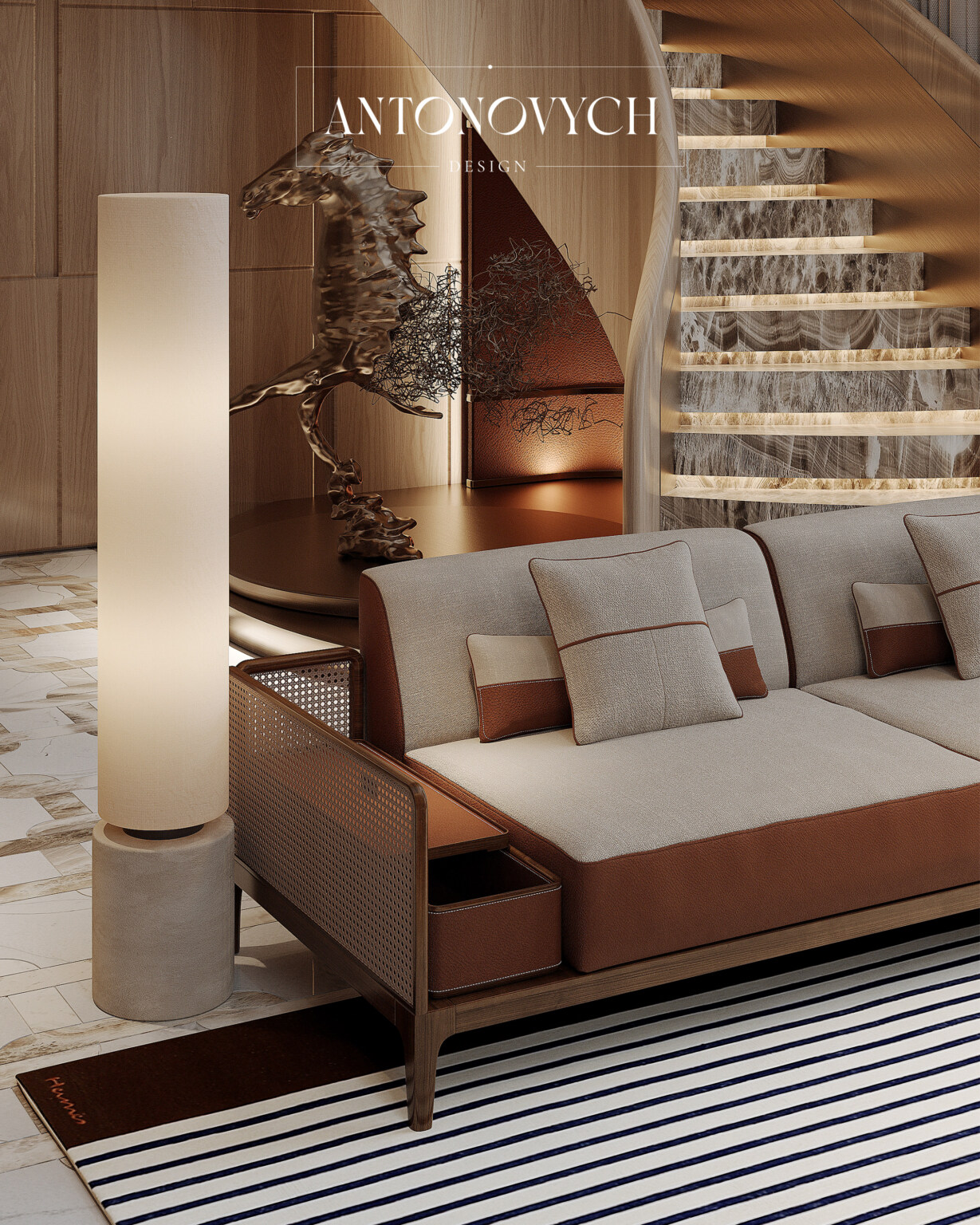
Every interior carries a certain cultural code. The color, spatial composition, choice of materials, and artworks form the emotional and intellectual image of the owner.According to international interior design market analytics, about 72% of premium segment clients choose an interior concept not only based on aesthetics but also on the values it conveys.Svetlana Antonovich explains:
“When we create projects at Antonovych Design studio, we are essentially designing a person’s lifestyle. The interior must reflect their philosophy — be it technological advancement, love for art, or respect for classics.”
For example:
- minimalism is often chosen by tech entrepreneurs
- modern classics are preferred by representatives of traditional business
- art interiors are characteristic of collectors and philanthropists
Thus, the interior becomes a language through which a person speaks about themselves to the world.
Architecture of Status: The New Luxury
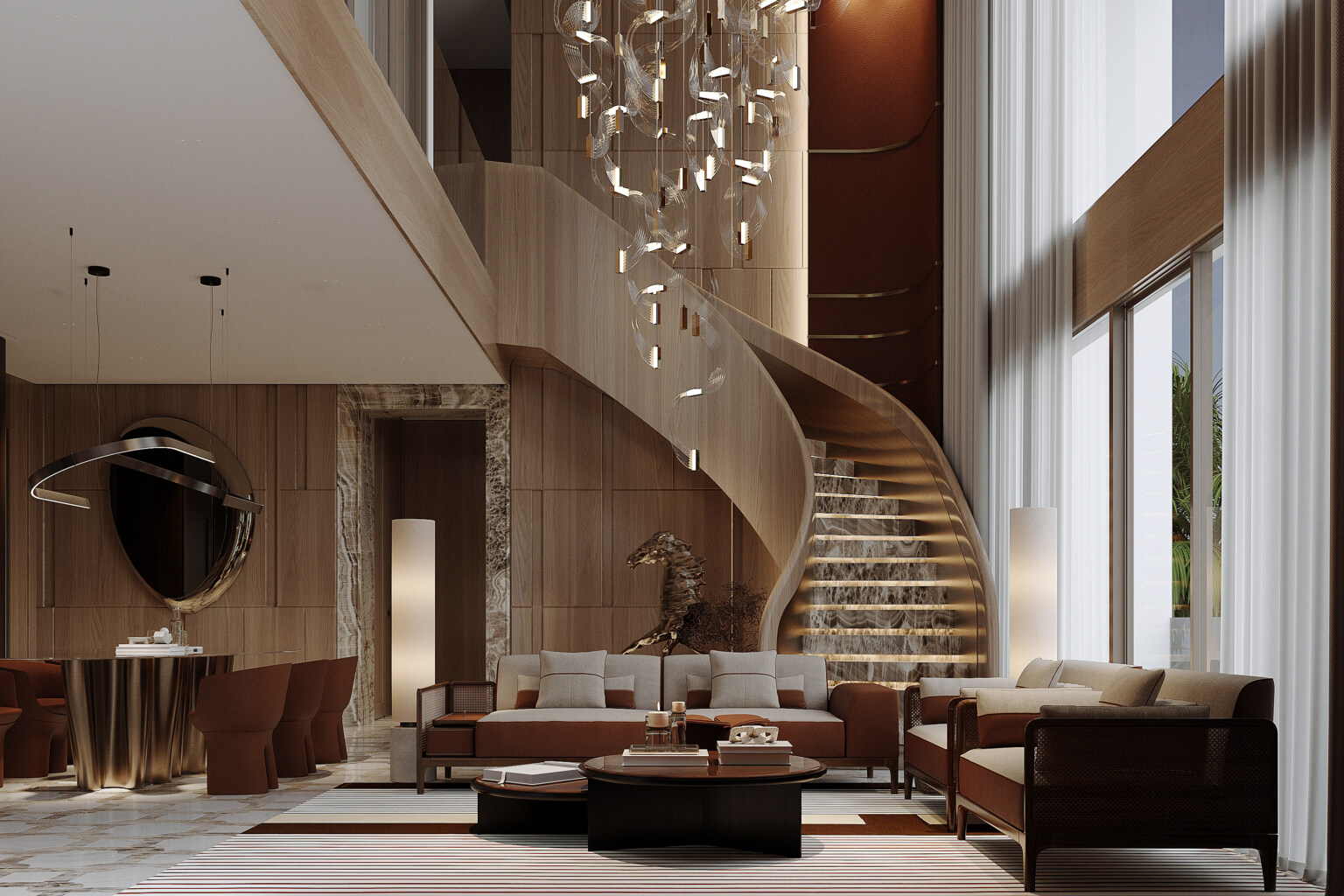
Modern luxury is fundamentally different from past perceptions. If status was once demonstrated through scale and decorativeness, today intellectual design plays a key role.According to international design studies, more than 60% of projects in the premium segment include custom furniture, artworks, and rare materials.Svetlana Antonovich says:
“A true luxury interior is not a display of wealth. It is a demonstration of culture, knowledge, and taste.”
Therefore, Antonovych Design projects actively use:
- collector’s lighting
- natural stone of rare breeds
- artistic panels
- sculpture and contemporary art.
This approach creates interiors that build the owner’s reputational capital.
Home as a Space for Communication
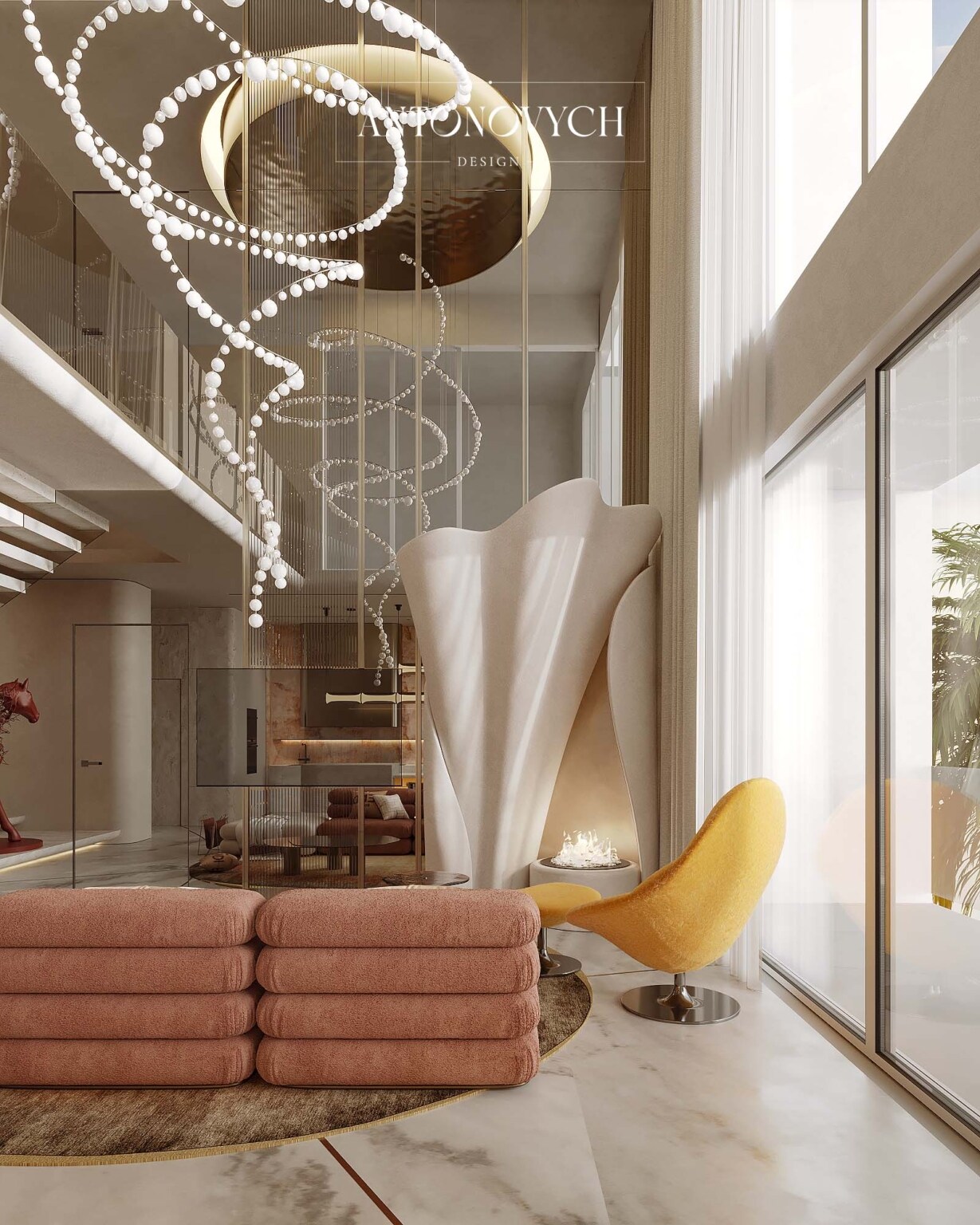
In premium residences, the interior is increasingly designed as a multifunctional social environment.According to developer research, almost 55% of elite home owners use their space for hosting business partners, private dinners, and intimate events.This leads to the emergence of new interior zones:
- wine rooms
- home libraries
- art galleries
- cigar lounges
- private SPA areas.
Svetlana Antonovich notes:
“We design interiors so that they can accommodate various life scenarios of the owner. The home should be both a private space and an elegant stage for communication.”
This is why the best interior designers in Astana today work at the intersection of architecture, psychology, and sociology.
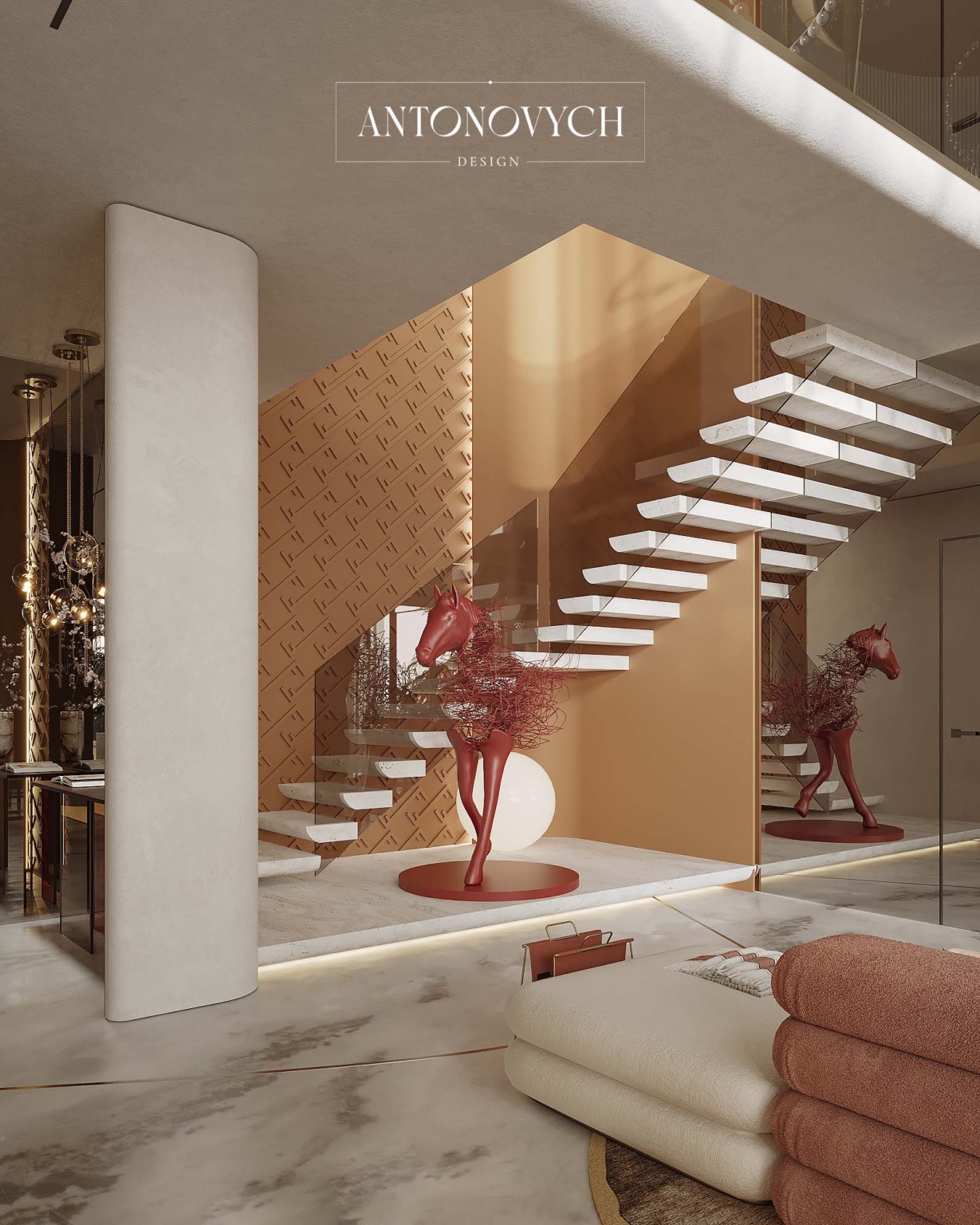
Personalization — The Main Trend in Luxury Interiors
The global design market shows a steady trend: clients are less and less interested in standard solutions.According to statistics from European interior studios, more than 75% of luxury segment clients choose individual design for furniture and architectural elements.Svetlana Antonovich says:
“The greatest luxury today is uniqueness. When an interior is created specifically for one person and cannot be replicated.”
Therefore, Antonovych Design studio often develops:
- individual architectural panels
- unique decorative elements
- exclusive material combinations.
As a result, the interior transforms into a personal work of design.
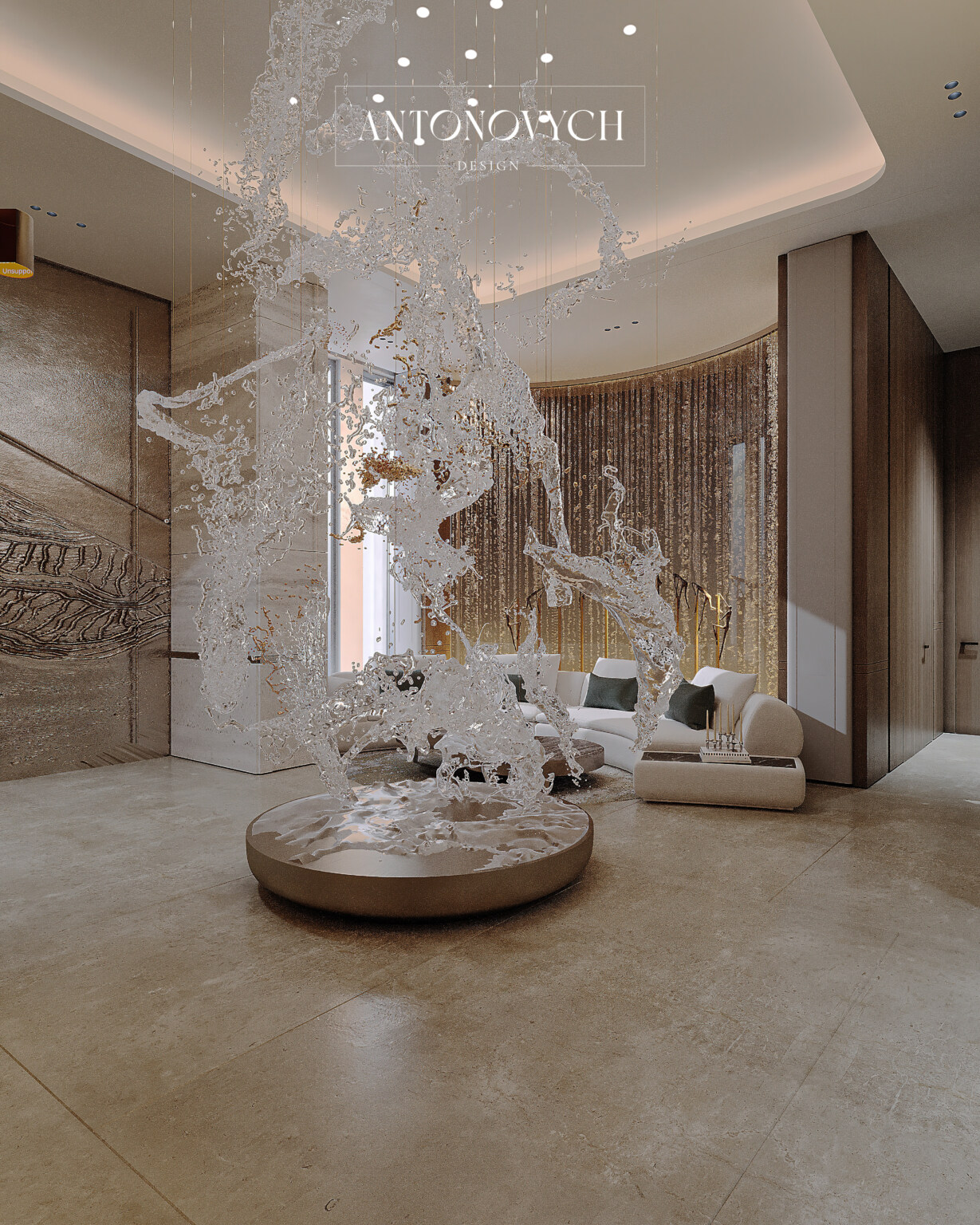
Home as Cultural Heritage
A residence in the premium segment is an investment not only in comfort but also in cultural value.According to elite real estate market analytics, properties with author’s architectural and interior designs can maintain investment attractiveness for 20–30% longer than standard properties.Svetlana Antonovich emphasizes:
“We always think about the future of the interior. True design should live for decades, not change with fashion.”
Therefore, Antonovych Design projects are built on the principles of:
- timeless aesthetics
- use of natural materials
- architectural logic of space
- integration of art.
Thus, the interior becomes part of the family’s cultural history and a legacy for future generations.
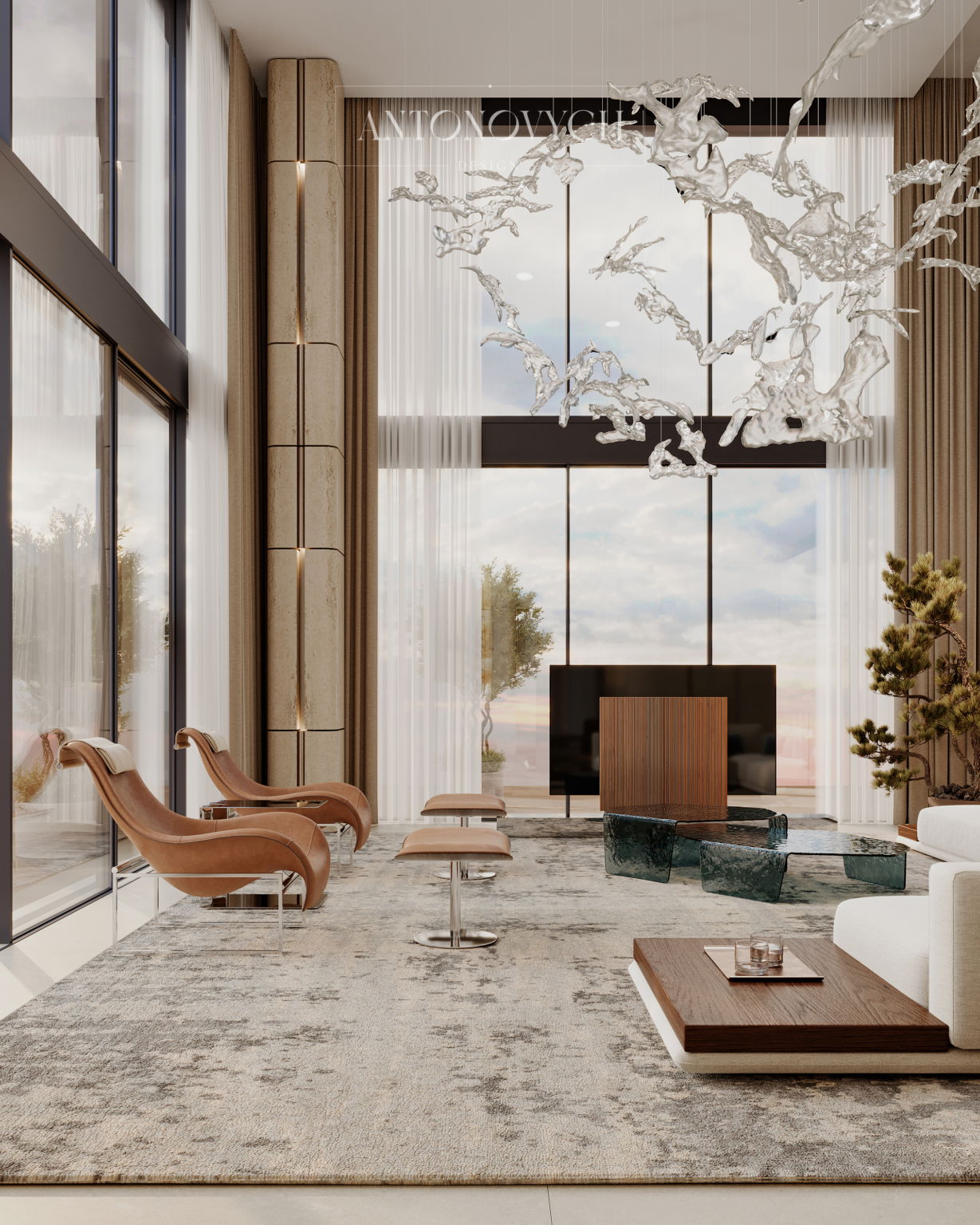
Interior as a Media Image in the Era of Visual Culture
A modern personal brand is formed in the space of visual media — social networks, online publications, interviews, photo and video shoots. In this environment, the home interior becomes not only a personal space but also part of the owner’s media image.According to international marketing research, more than 80% of visual content on social networks is related to space architecture, interior, and lifestyle.This is especially noticeable among entrepreneurs, investors, and representatives of creative industries. Their home interior often serves as a backdrop for interviews, video content, business meetings, and cultural events.Svetlana Antonovich notes:
“Today, an interior must be photogenic. The space should look good on camera — in natural light, with evening illumination, from different angles. This is a new challenge for designers.”
According to digital marketing research, about 60% of premium residence owners consider the possibility of photo and video shooting when designing the interior.This leads to new design solutions:
- expressive light architecture
- striking staircases and atriums
- art galleries
- panoramic spaces
- compositional interior accents.
Such elements create visual focal points — spaces that are easily recognizable in photographs and become part of the owner’s media image.Svetlana Antonovich emphasizes:
“When an interior is designed correctly, it becomes more than just a beautiful space. It starts to function as a person’s visual brand.”
This is why in modern luxury projects, the interior is increasingly viewed not only as an architecture of comfort but also as an architecture of impressions — an environment that forms a strong visual image of a personality.
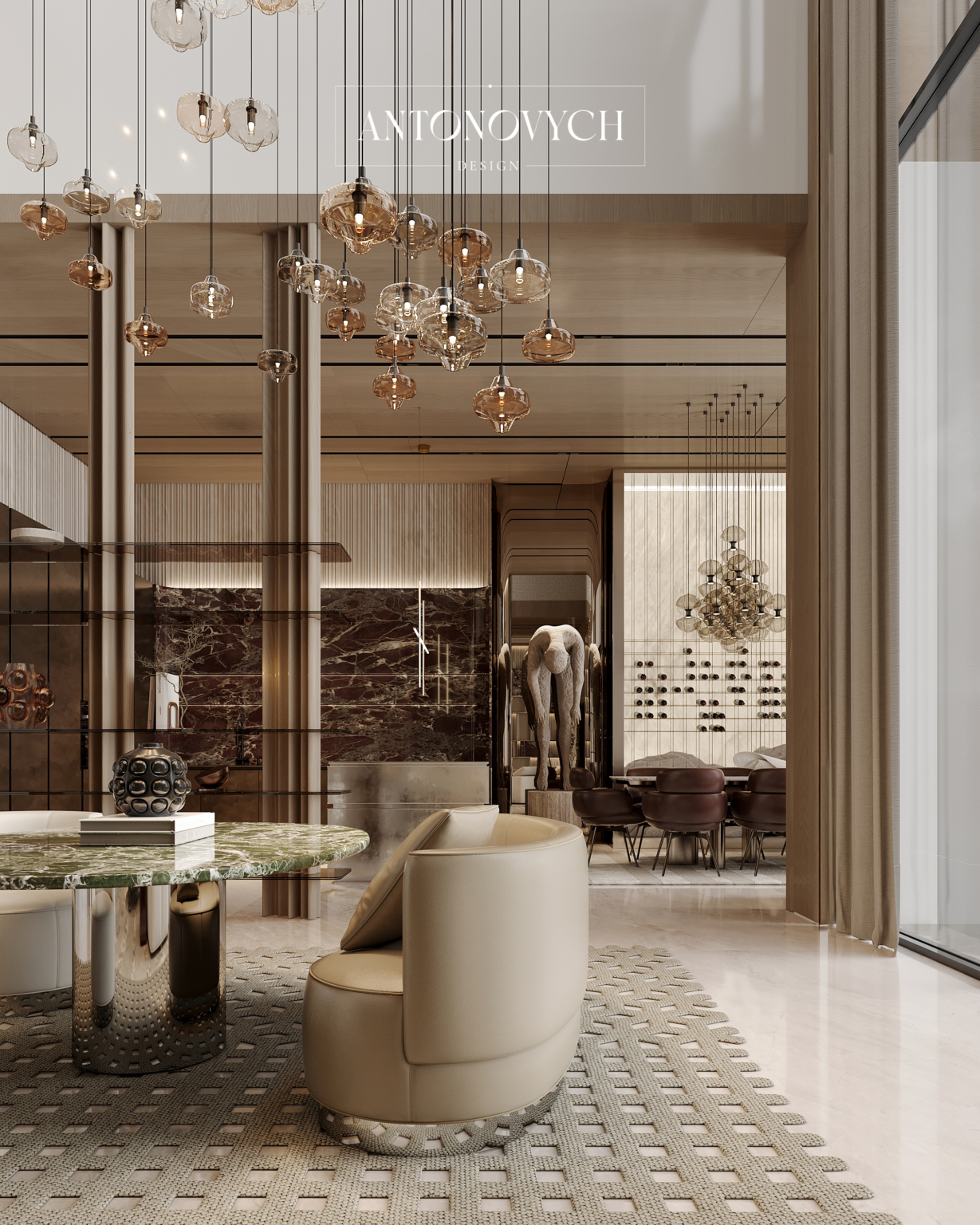
Conclusion
Today, a home is more than just a place to live. It is a powerful tool for personal brand building, capable of conveying the owner’s status, cultural level, and values.A premium interior creates a special environment in which a person’s personality is revealed through the architecture of the space.This is why more and more clients turn to professional studios, such as Antonovych Design, where design is considered not only as aesthetics but also as a strategy for image formation.Svetlana Antonovich says:
“The interior should tell a person’s story. When the space is created correctly, it becomes part of their personal brand.”
Note on Statistics
The statistical data used in the article are based on analytical reports from international research companies in the interior design and premium real estate markets for 2023–2025.Studies of the global luxury interior market note that 65% to 75% of premium segment projects are created on the principle of bespoke design — completely individual design of space and furniture.According to analytics from international consulting agencies in the design market, more than 70% of luxury segment clients choose personalized interior solutions, including custom furniture, author’s decorative elements, and the integration of artworks.Research by premium real estate development companies shows that about 55–60% of elite residence owners use their homes as a space for business meetings, private dinners, and private events.Elite real estate market reports also confirm that properties with author’s architectural and interior designs can retain investment value 20–30% longer compared to standard solutions in the premium segment.The data is based on international industry research of the interior design market, analytics from luxury real estate consulting agencies, and reports from professional design associations in Europe and the Middle East.