
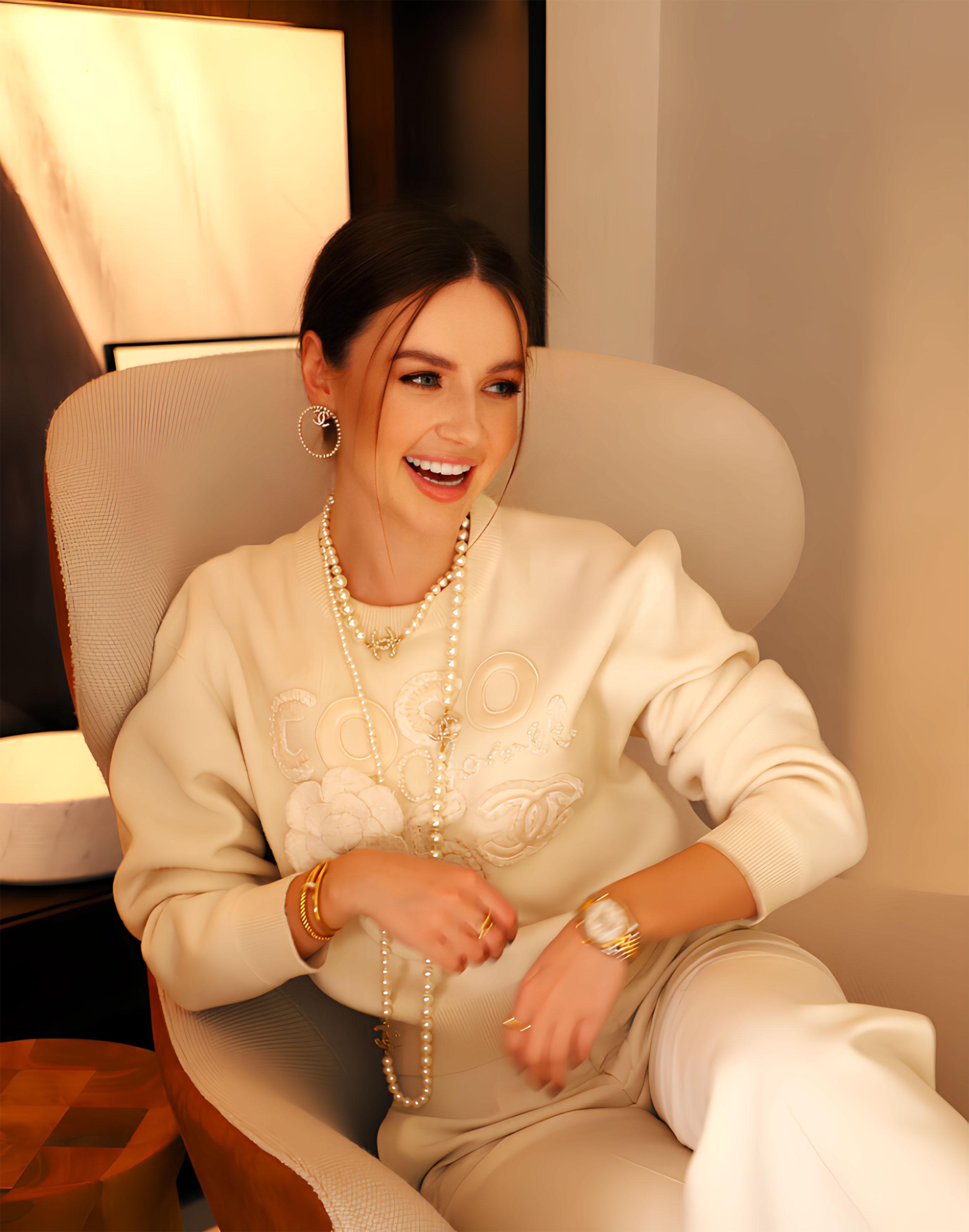
Visual literacy is not intuition or
Visual literacy as a form of professional thinking
In a professional environment, visual literacy is the ability to see structure: proportions, rhythm, balance of masses, depth of light, interaction of textures. It is an analytical process, not an emotional reaction. Modern research in cognitive psychology confirms: visual competence develops through systematic comparison and classification of samples. The brain begins to recognize patterns, not just individual beautiful elements. Svetlana Antonovich emphasizes that a designer must see
«When I look at an interior, I don’t evaluate it as
It is this approach that allowed Antonovych Design studio to become one of the top interior designers in Kazakhstan and form its own recognizable style.
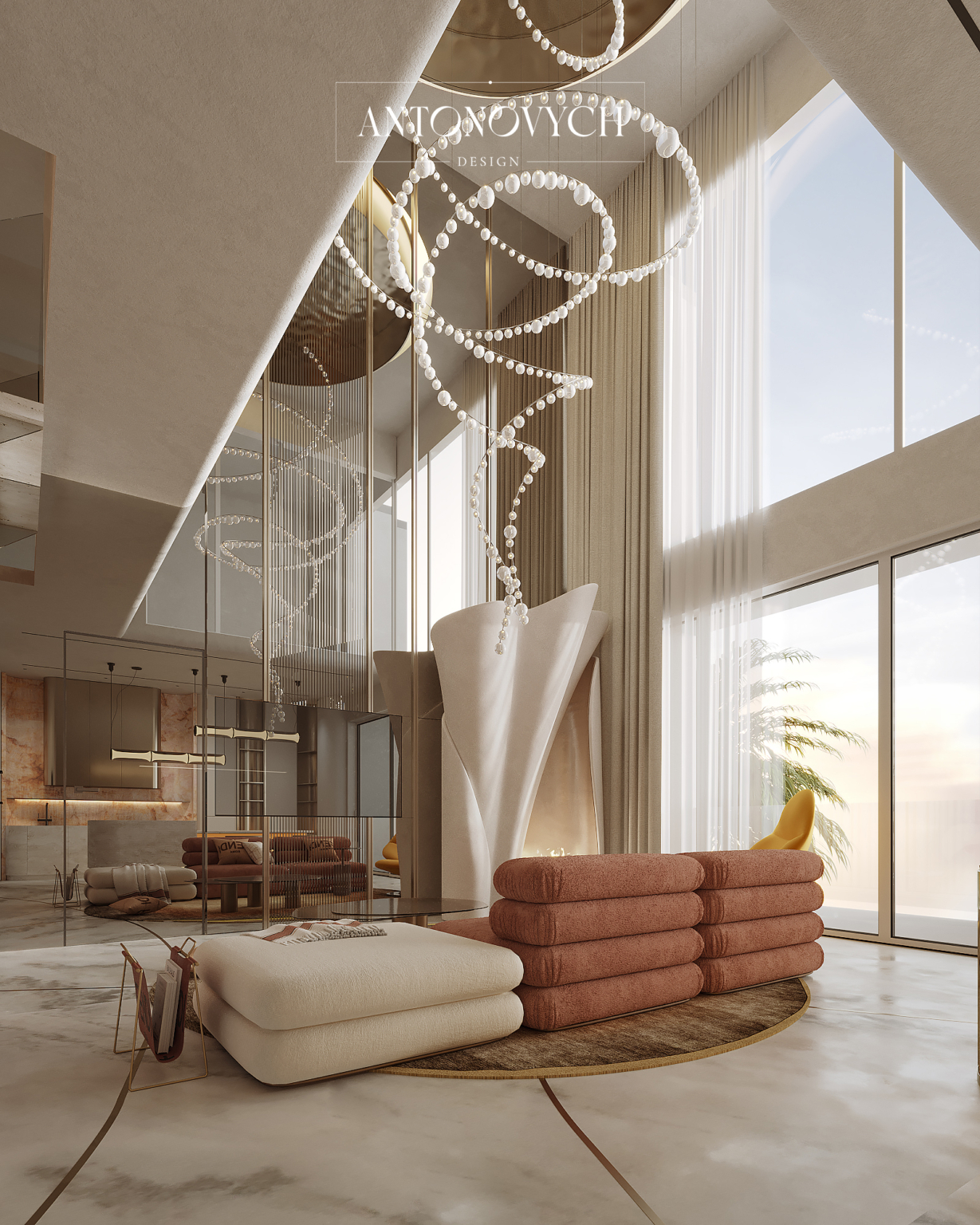
Working only with representative sources
One of the main mistakes of aspiring designers is consuming random visual content. Social media algorithms form a fragmented perception, but not systematic knowledge. Professional visual literacy is built on studying architectural archives, museum collections, and analytical publications from international specialized journals. This forms an understanding of the evolution of forms, not a reaction to short-term trends. According to Svetlana:
«If a designer relies only on Instagram trends, they will always be secondary. A premium interior is the result of understanding the history and culture of form.»
That is why the best interior designers in Astana systematically study international practices, rather than copying visual templates.
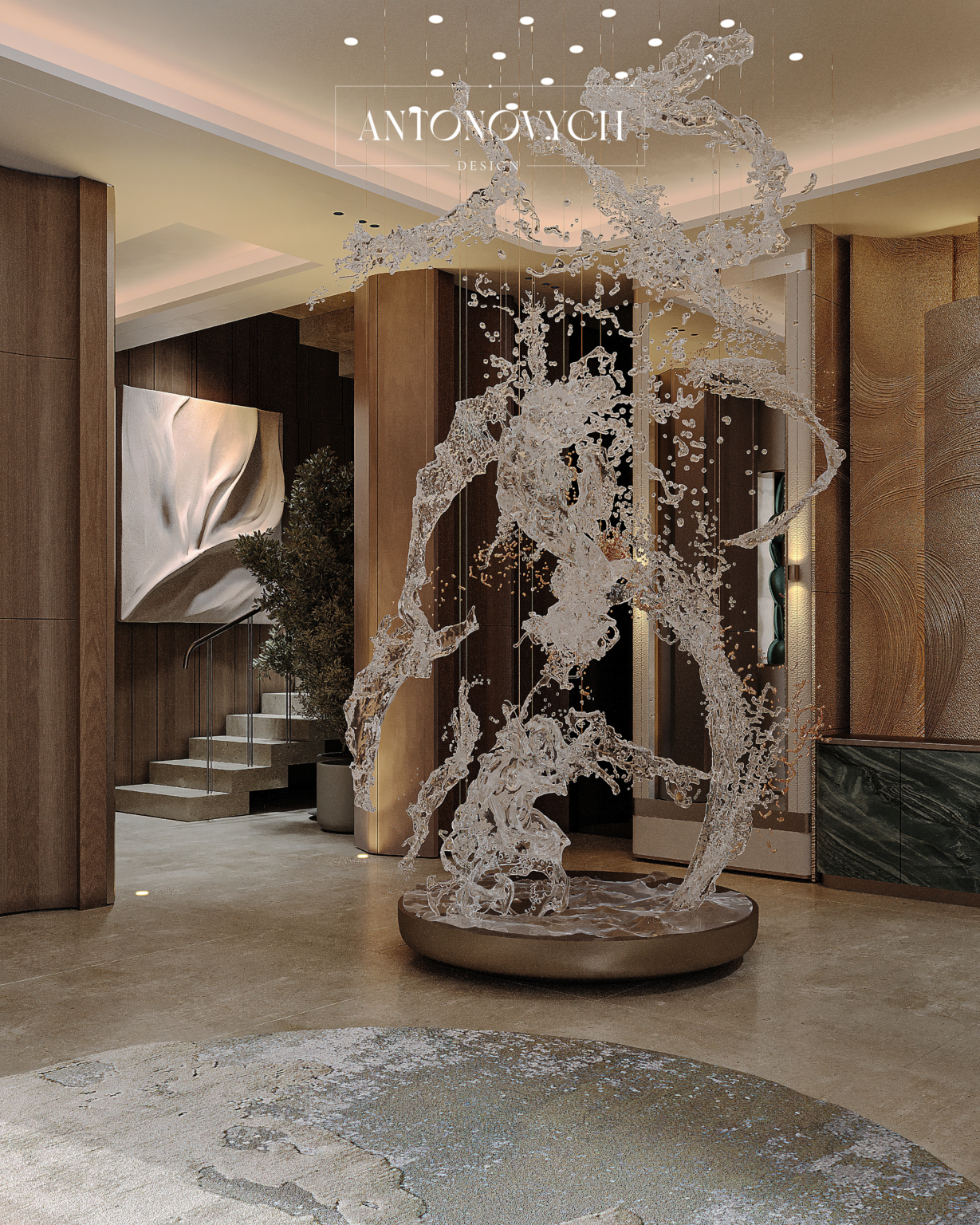
Live experience of space versus digital illusion
Research in spatial perception shows that real contact with architecture activates more cognitive areas of the brain than viewing photographs. This explains why professionals constantly visit exhibitions, architectural objects, and art installations. In the premium segment, nuances are important: depth of light, tactility of surfaces, plasticity of volumes. These are often lost on screen. Svetlana Antonovich notes:
«Only in real space can you feel how a material interacts with light. A photograph does not convey the weight of stone or the depth of wood.»
This approach allows Antonovych Design to create interiors that impress not only visually, but also emotionally.
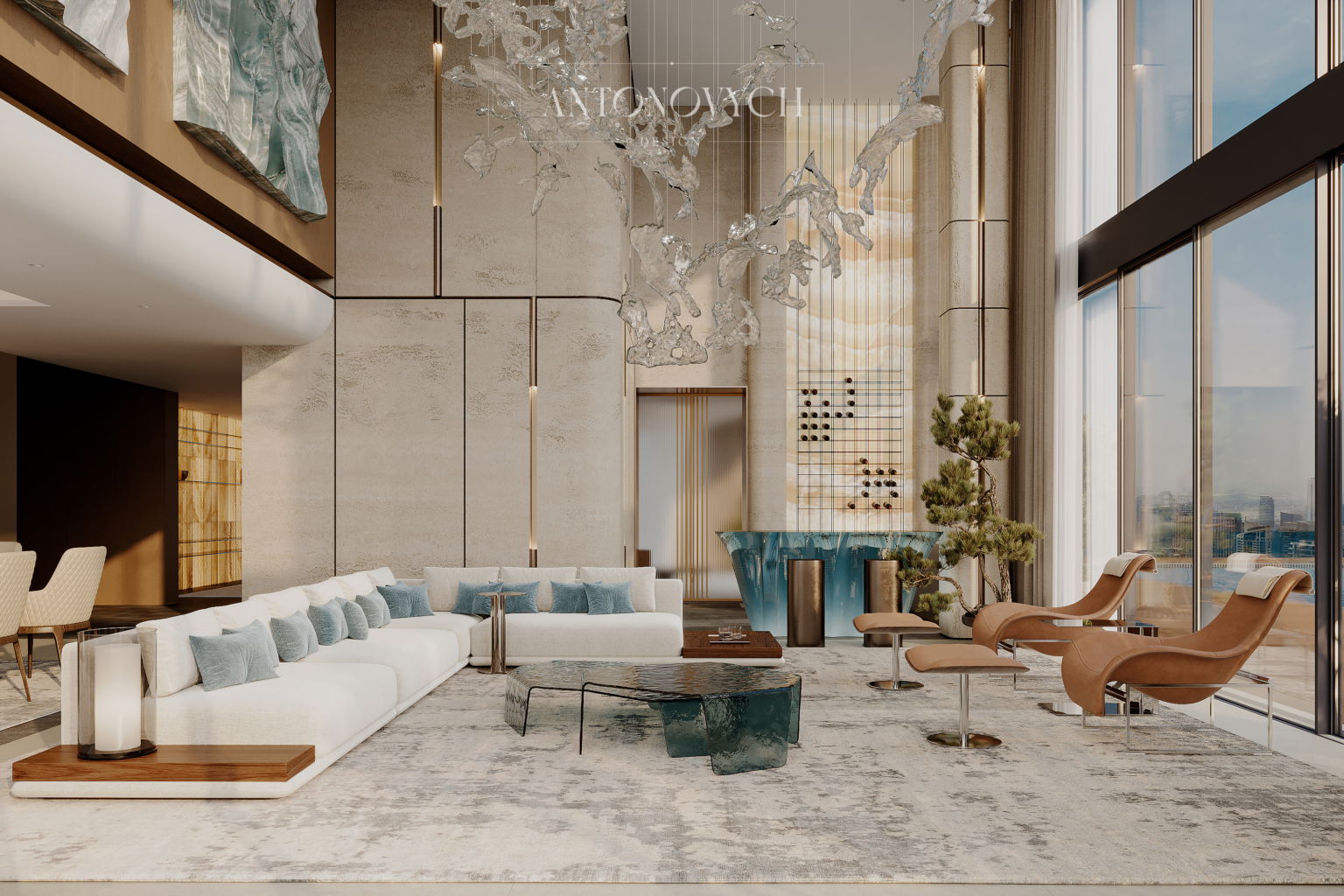
Comparative analysis as a tool for growth
Developing visual literacy is impossible without systematic comparison. By analyzing projects of world architects and leading top interior designers in Kazakhstan, one can identify recurring patterns: work with scale, compositional discipline, balance of decorativeness and functionality. The method of comparative analysis allows identifying stable principles, not random solutions. Svetlana says:
«I always compare projects from different years. It’s interesting to observe which techniques become outdated and which remain relevant for decades. This is the true test of an idea’s quality.»
This is how the strategic thinking characteristic of Antonovych Design studio is formed.
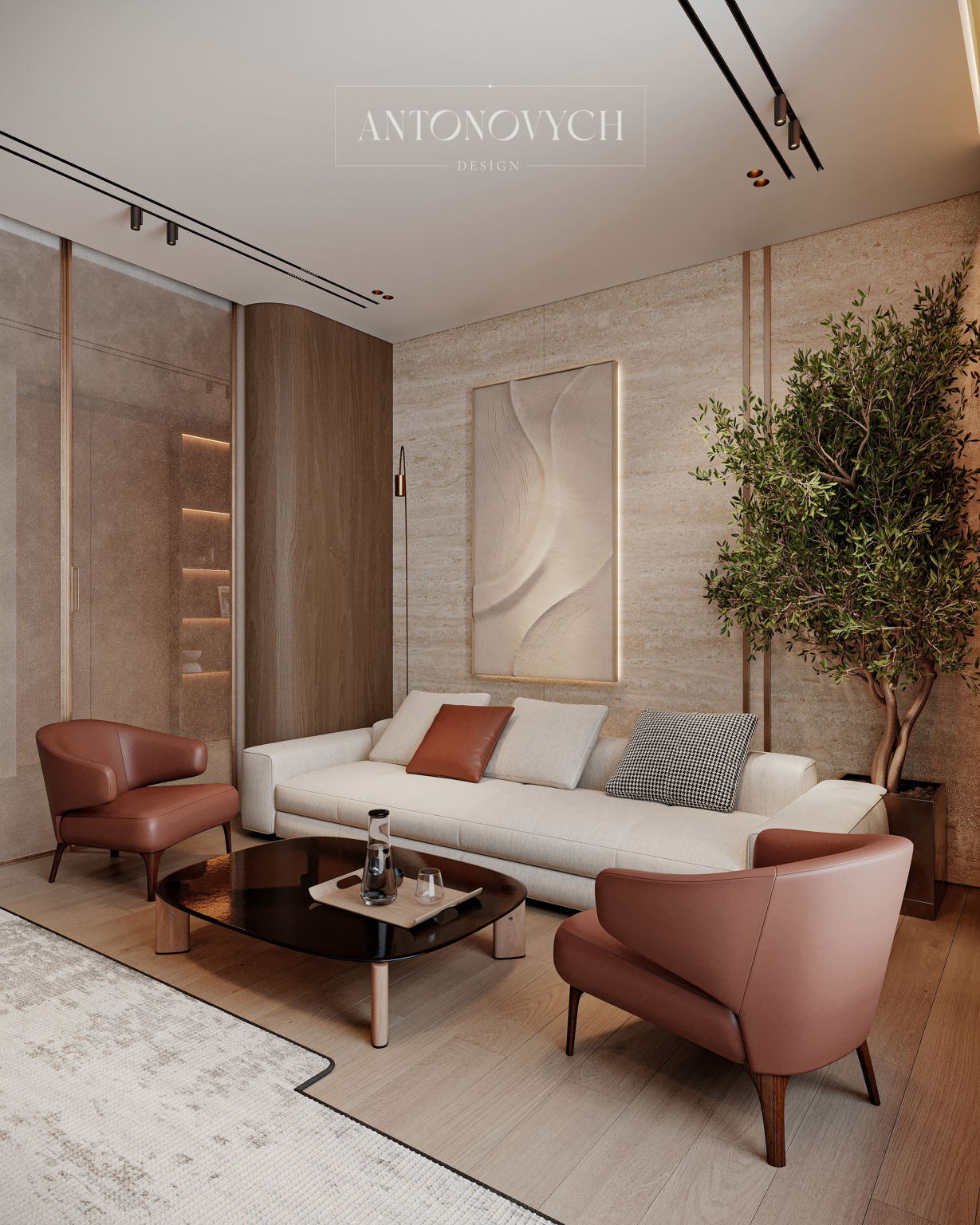
Visual diary as a method of professional reflection
In international design schools, the method of visual fixation is practiced — creating a personal archive with comments and analysis. This is not collecting pictures, but systematizing visual observations. Research in art education confirms: written reflection enhances critical thinking and accelerates the formation of an expert perspective. Svetlana Antonovich has been using this method for many years:
«When you record why a solution seems strong, you begin to understand the structure of its strength. This forms an internal quality standard.»
Such an internal standard distinguishes the best interior designers in Astana from those who work by template.
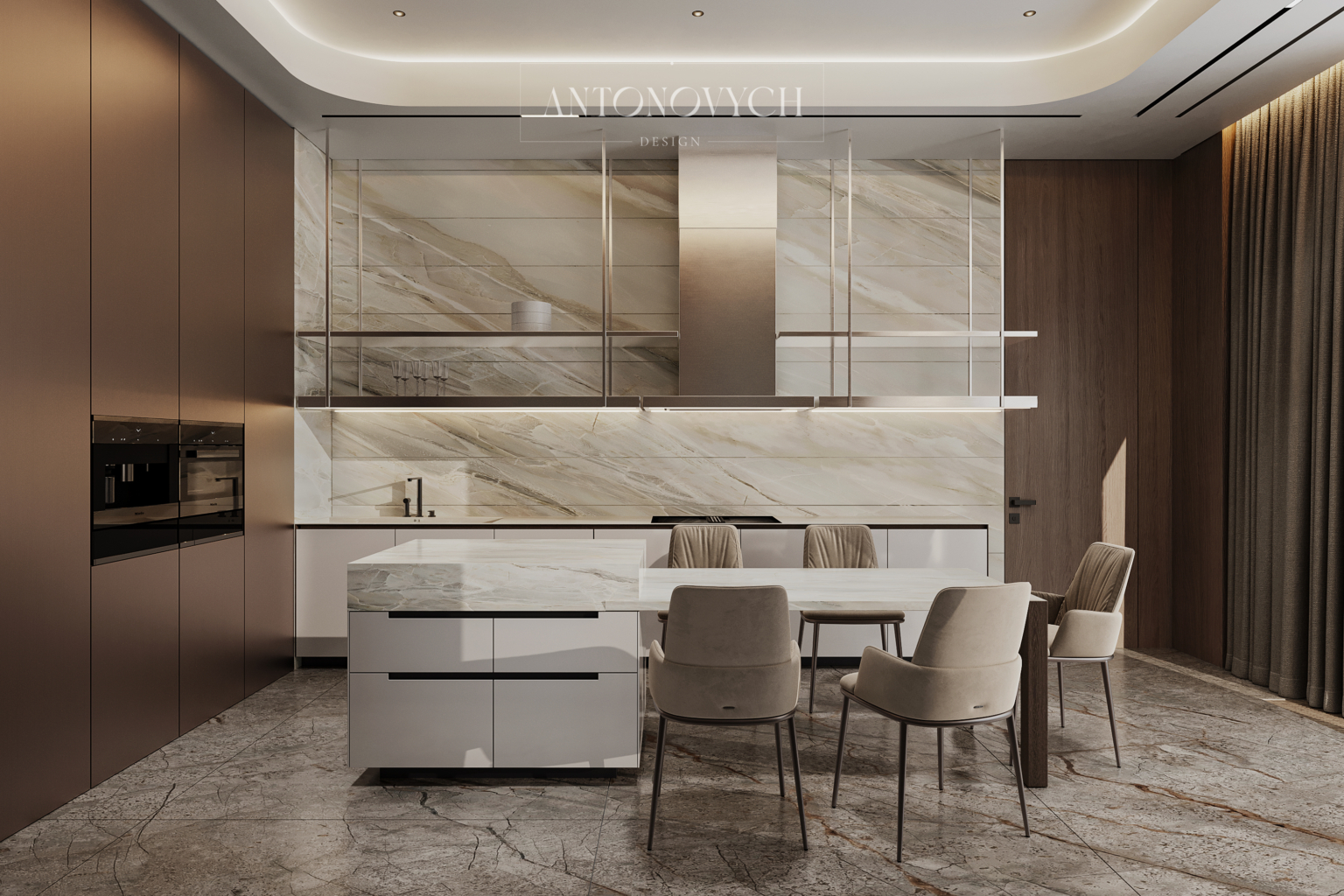
Professional discussion as a catalyst for development
Visual literacy develops faster in an environment of intellectual dialogue. In the premium segment, design is always teamwork, critical analysis, and exchange of arguments. Research in the psychology of creativity shows that discussion and professional criticism increase the level of competence significantly faster than individual practice. Svetlana emphasizes:
«In a team, it’s important not to agree automatically. We discuss, argue, prove. It is in this that the depth of the solution is born.»
This is how collective visual intelligence is formed — the foundation of Antonovych Design’s work. Visual literacy is a systematic discipline. It requires research, analysis, practice, and intellectual honesty. It is this approach that has allowed Antonovych Design studio to secure a position among the top interior designers in Kazakhstan and strengthen its status among the best interior designers in Astana. In premium design, it’s not the one who first sees a trend who wins, but the one who more deeply understands the patterns of space. And visual literacy is the key tool for this understanding.