
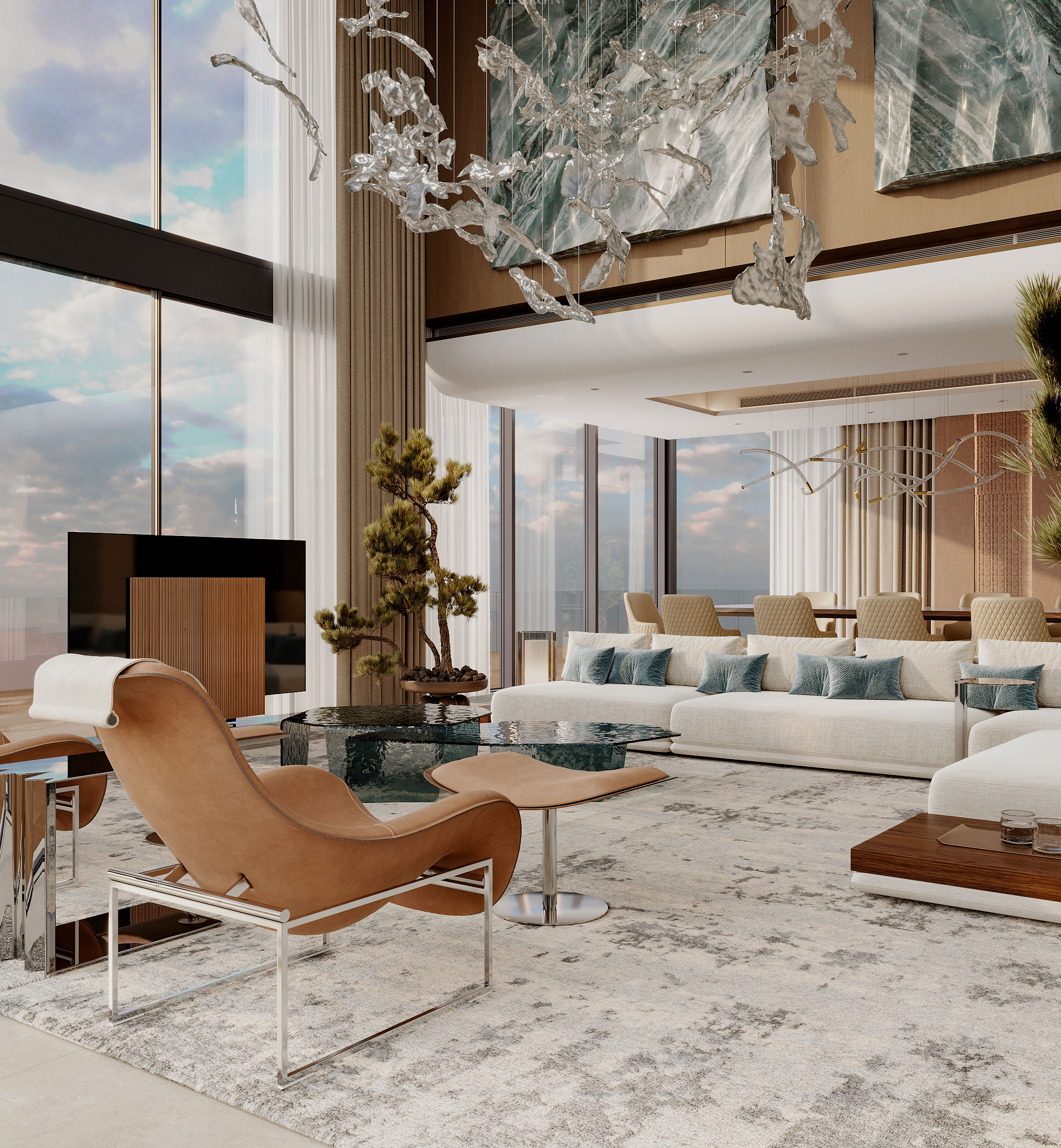
An intelligent interior is not a set of
The intelligence of space begins with analytics, not aesthetics
An intelligent interior is designed based on data: the client’s lifestyle, daily scenarios, frequency of zone use, movement ergonomics, biorhythms, and even acoustic and lighting preferences. According to a McKinsey study (2025), companies that implement a data-driven approach to environmental design increase user satisfaction with the space by an average of 32%%, and the efficiency of its use by 27%. %. In premium residential projects, this means fewer
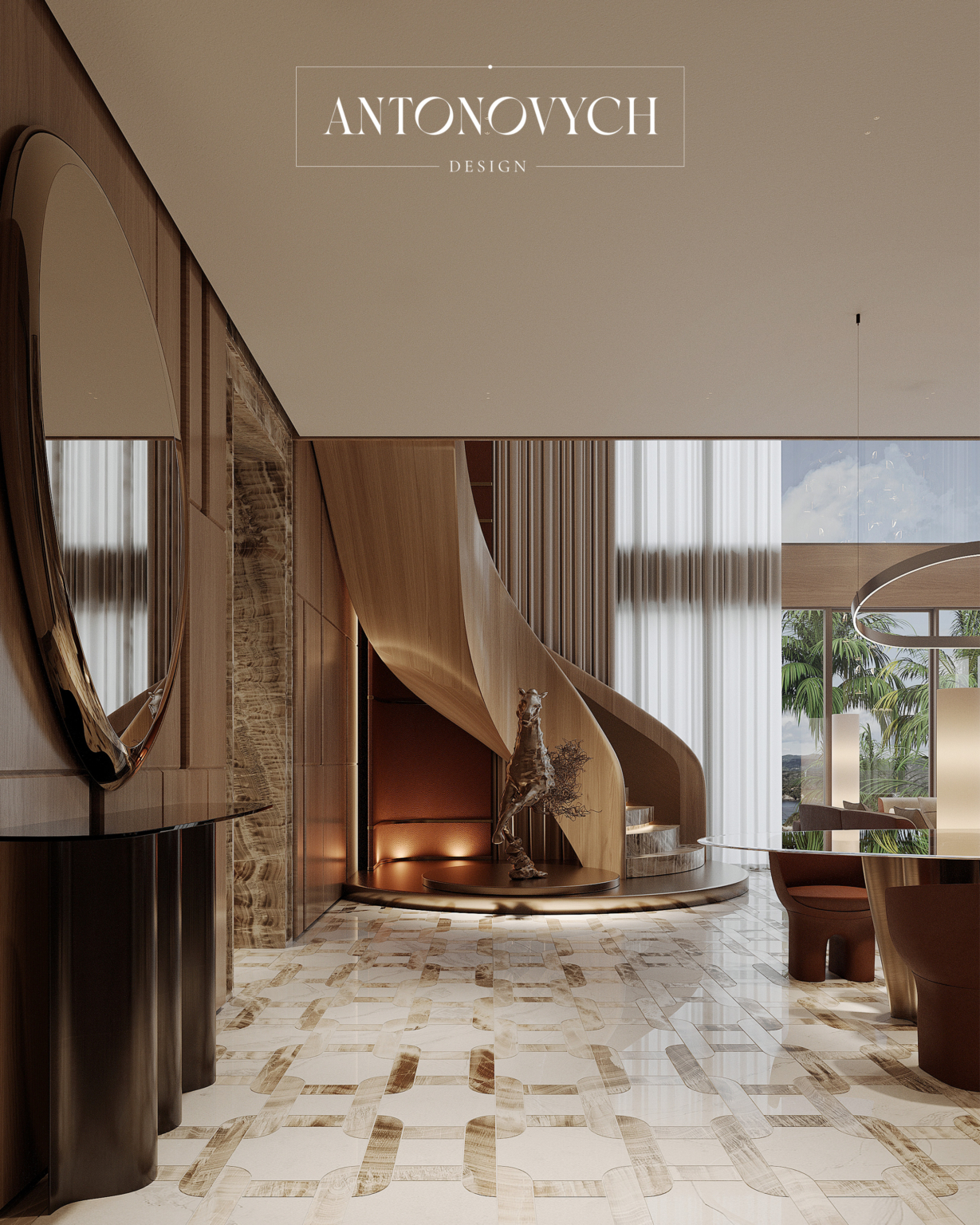
Layout as an Algorithm: Space that
An intelligent interior is a layout with embedded logic for movement and interaction. The space guides, but does not dictate; it organizes, but does not restrict. Space Syntax studies show that a well-structured layout reduces cognitive load on a person by an average of 21%%, and the feeling of comfort in complex spaces increases by 18%%. For designers, this means: every corridor, opening, axis, and visual perspective must have a functional justification. In Svetlana Antonovich’s projects, the layout is built as a sequence of states: from public to private, from dynamic to calm, from open to intimate. Intelligence is manifested in the fact that the space
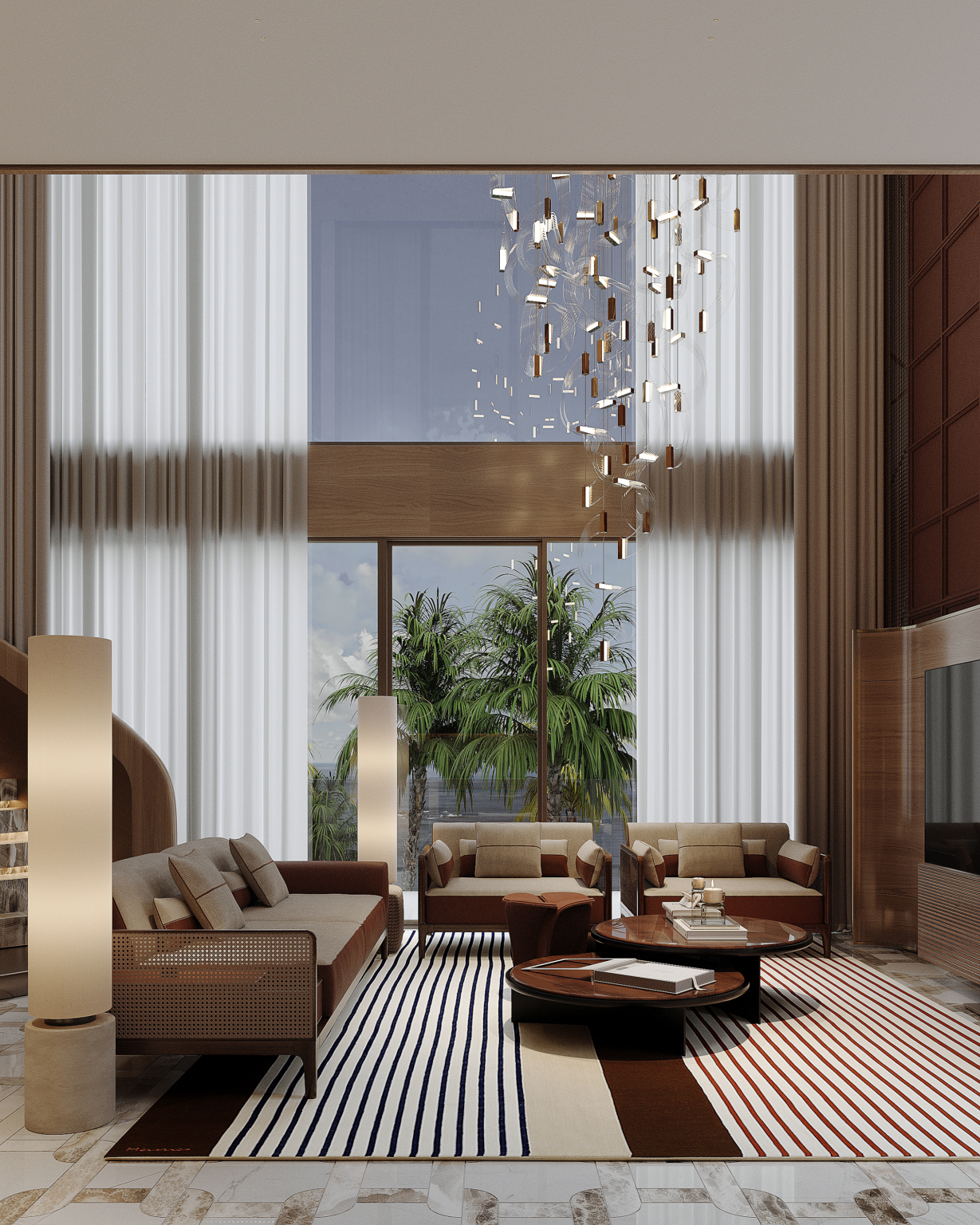
Light as a Tool for Managing Human State
An intelligent interior uses light not only for visibility, but as a tool for managing mood, concentration, and recovery. According to data from the Lighting Research Center (2025), adaptive lighting that changes temperature and intensity throughout the day improves sleep quality by 24%%, increases work productivity by 15%, and reduces stress levels in residential spaces by 19%%. In Antonovych Design projects, light is designed in layers: architectural, accent, and scenario-based. Smart systems allow changing the atmosphere with a single touch – from an energetic morning mode to soft evening light. But the key is not technology, but the light dramaturgy created by the designer.
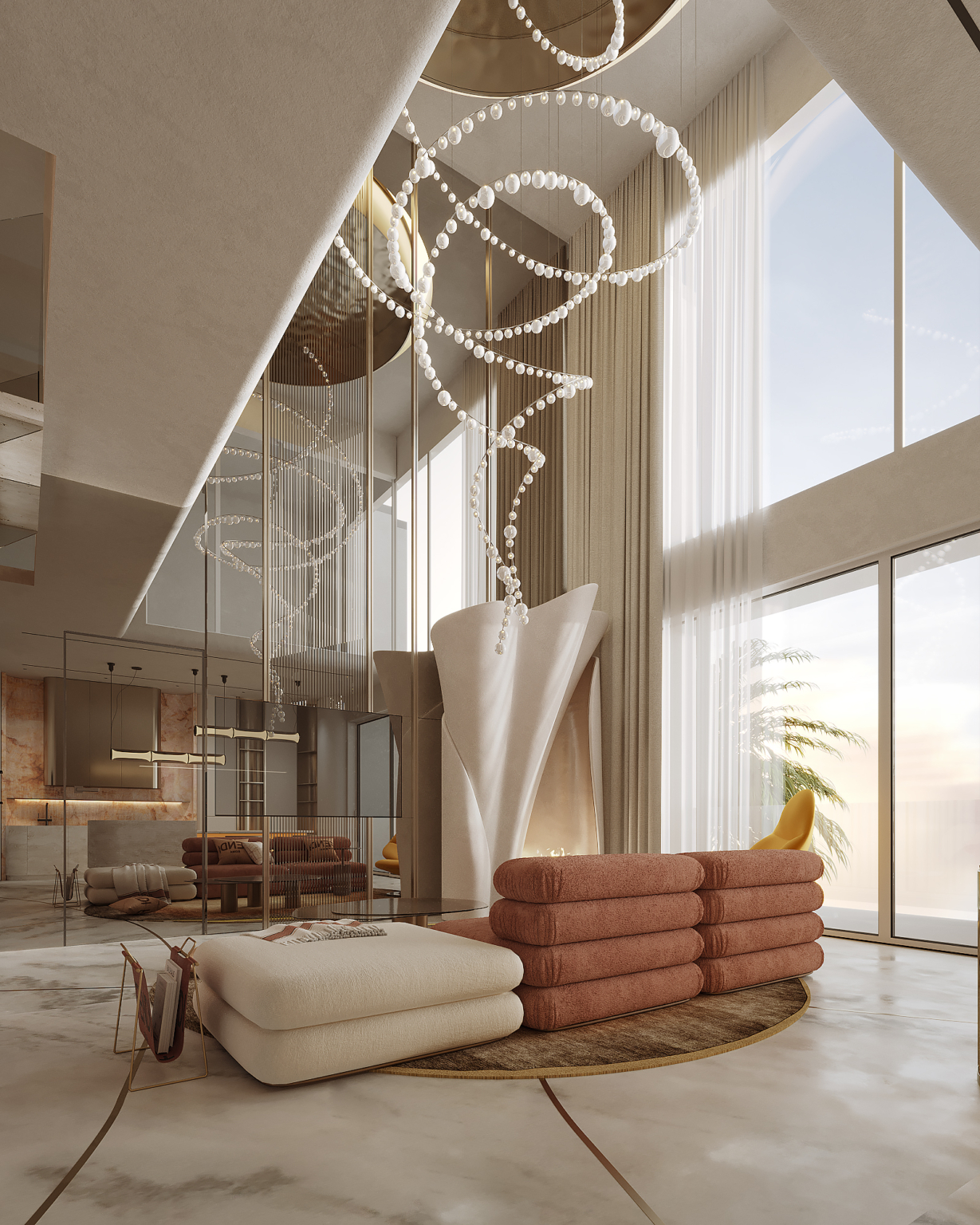
Acoustics as the Invisible Architecture of Comfort
One of the most underestimated aspects of an intelligent interior is acoustics. A space can be visually perfect, but acoustically unsuitable for living. World Health Organization studies show that a constant noise background above 55 dB increases stress levels by 23% % and reduces the quality of rest by 30%%. In modern open-plan layouts, this problem is particularly relevant. In professional Antonovych Design projects, acoustics are integrated at the concept stage: hidden sound-absorbing panels, textures, materials, ceiling and wall shapes. Intelligence is manifested in balance – the space remains aesthetic, but becomes quiet, comfortable, and psychologically safe.
Materials as Carriers of Meaning and Technology
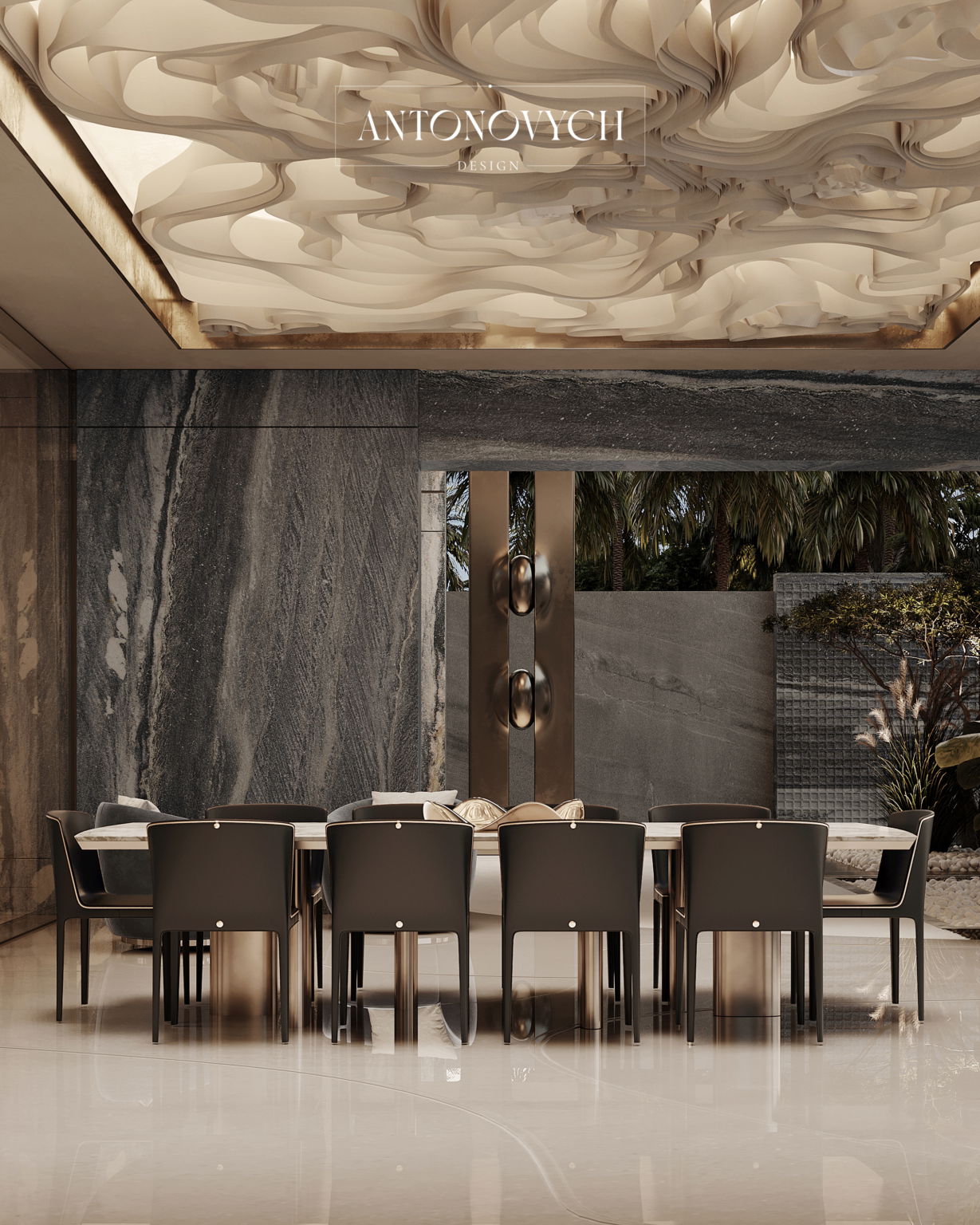
An intelligent interior is a conscious choice of materials that work not only visually, but also functionally, ecologically, and durably. According to the World Green Building Council, buildings with ecologically certified materials increase user well-being by 26%%, and property value by an average of 9–11%%. For the premium segment, this is a serious argument. In Svetlana Antonovich’s projects, materials are selected taking into account tactile properties, aging, wear resistance, and impact on the microclimate. Stone, wood, metal, textiles – each element must have a justification, rather than being a random decorative gesture.
Technology Serves People, Not Dominates Them
A truly intelligent interior is not a home overloaded with gadgets, but an environment where technologies are invisible, intuitive, and organic. According to Statista, by 2025 the $200 billion, but at the same time 41% % of users complain about the complexity of system management. This means: the problem is not in the technologies, but in the design of their integration. In the Antonovych Design approach, technologies are designed as part of the experience architecture: hidden automation, clear scenarios, minimalist interfaces. The intelligence of the interior is measured not by the number of devices, but by how easily and naturally a person interacts with the space.
Intelligent Interior as a New Professional Responsibility of the Designer
Today, an interior designer is no longer a decorator, but an environment strategist. An intelligent interior requires interdisciplinary thinking: architecture, psychology, engineering, light, acoustics, materials science, and digital technologies. According to a Deloitte (2025)report, professionals with interdisciplinary skills in environmental design are 35% % more in demand in the premium project market. This changes the profession itself. Svetlana Antonovich formulates it this way: an intelligent interior is a space that improves the quality of life, enhances human identity, and remains relevant for years. This is not a trend, but a new norm of professional design.
An intelligent interior is not about a