
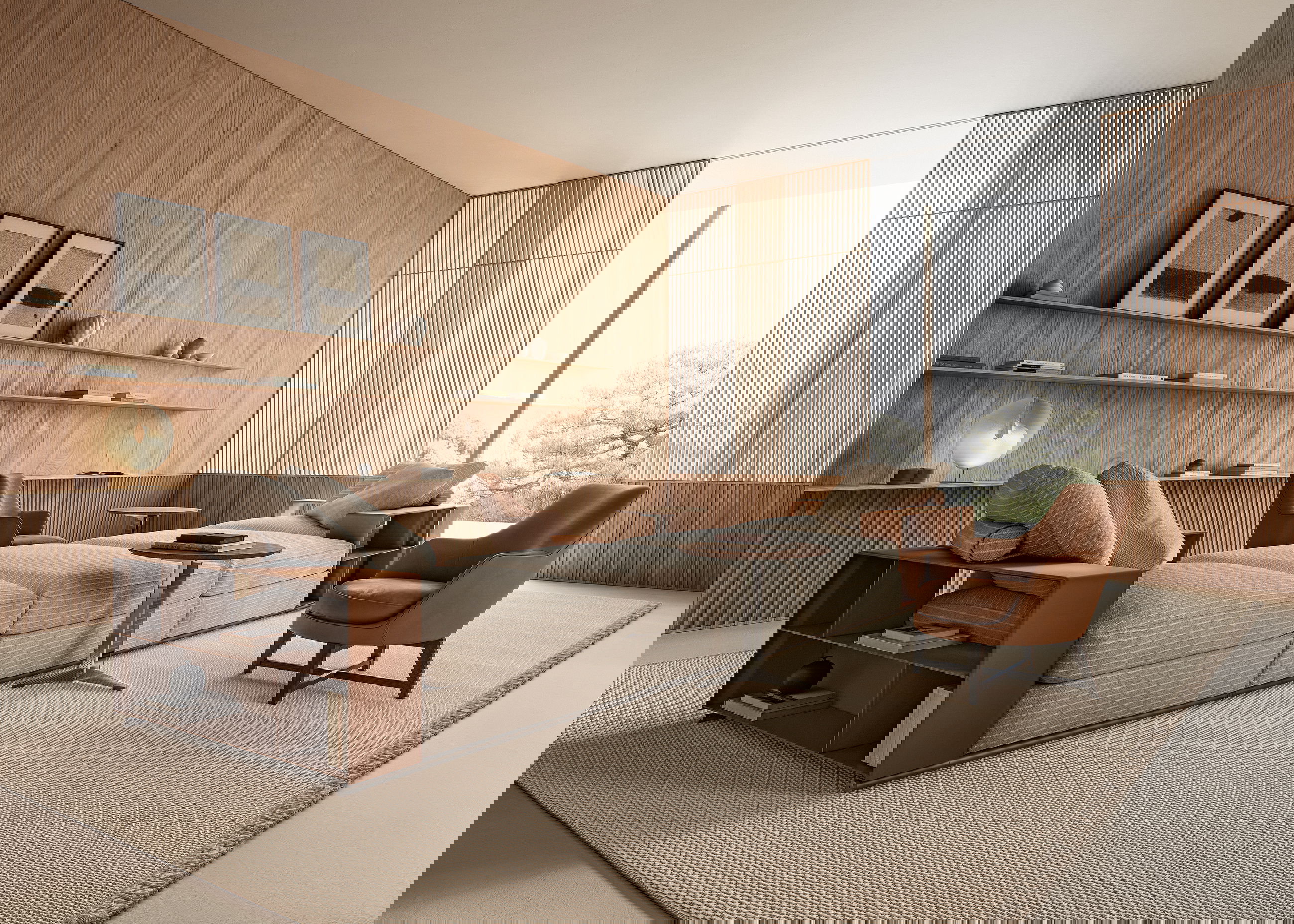
Modern interiors demand not only beauty but also flexibility. Today, furniture must be able to adapt to a person’s lifestyle – to transform, expand, be modular, and multifunctional. Brands like Baxter, Flexform, Poliform, Bonaldo, and Modulnova offer not just objects, but architectural solutions in miniature. Experts note: adaptive furniture is becoming a key tool for architects, allowing them to design spaces where aesthetics do not conflict with practicality.
Modularity as the Basis of Modern Interior
According to Dmitry Korotchuk, director of the Italian furniture showroom Antonovych Home in Astana, “modular furniture is not just flexibility, it’s a way to create interiors that change with the person”. Poliform offers Wall System, where one module can function as a bookshelf, media zone, or work surface. For example, in an apartment project in Milan, Code Wall with an integrated mini-kitchen and work area was used, saving 20 m² without losing functionality.
Baxter: Aesthetics of Transformation in Upholstered Furniture
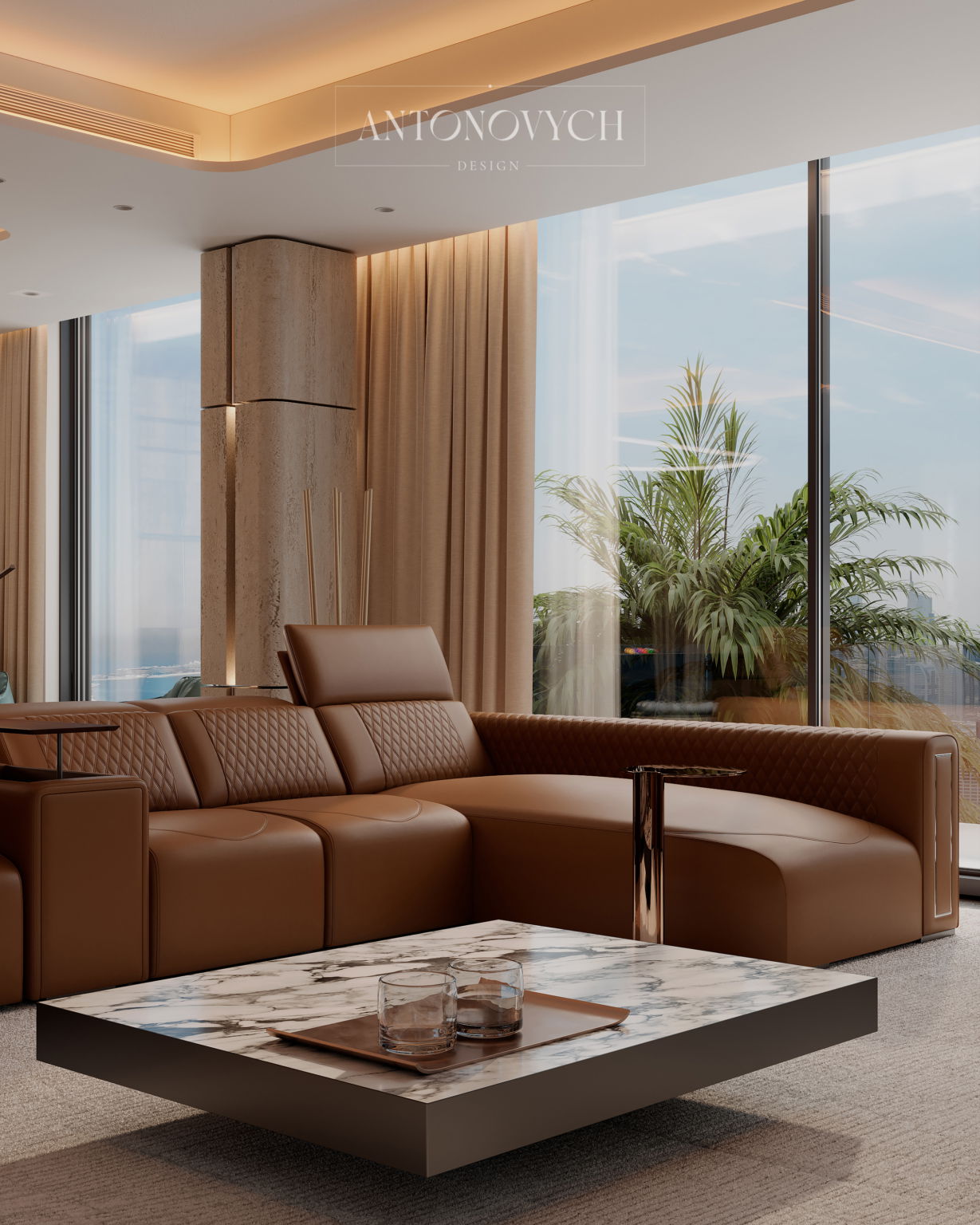
Baxter focuses on sofas with adjustable seat depth and flexible modules, such as Budapest Soft. In one project for a penthouse in Rome, Budapest Soft was configured into an “L” shape for entertaining guests and then transformed into individual armchairs for a private area. Over 60% of orders for Baxter modular sofas are for such adaptive solutions.
Flexform: Adaptability for Living and Outdoor Spaces
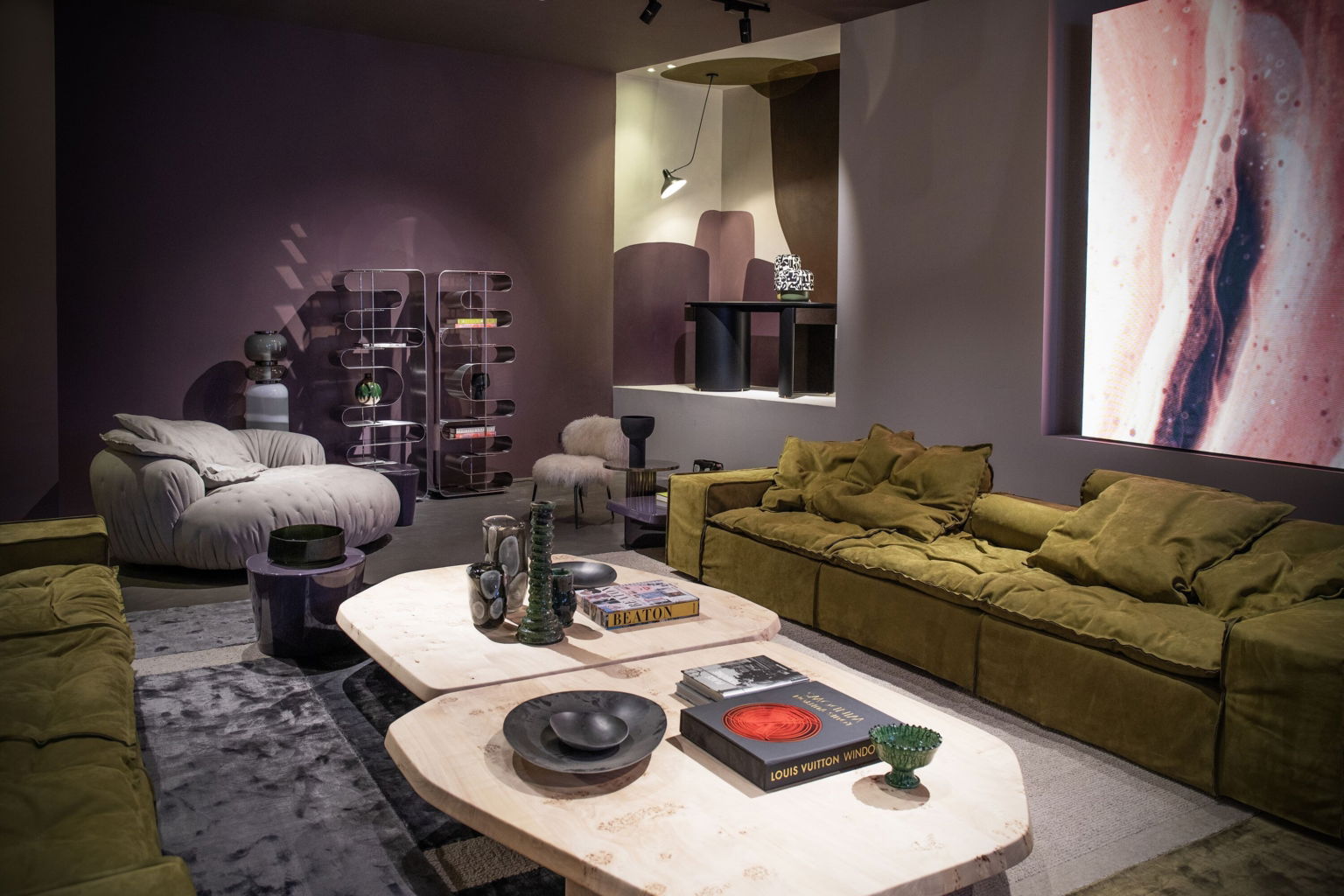
Flexform actively develops its outdoor line: the Zefiro Outdoor
collections are designed to easily move from the garden to the interior. For example, in a country house project in Como, the Zefiro Outdoor sofa was used as part of the living room on the terrace and, if necessary, moved indoors for winter use. According to Assarredo, demand for outdoor furniture in Europe has grown by 28% over the past three years.
Bonaldo and Transformable Furniture for Compact Spaces
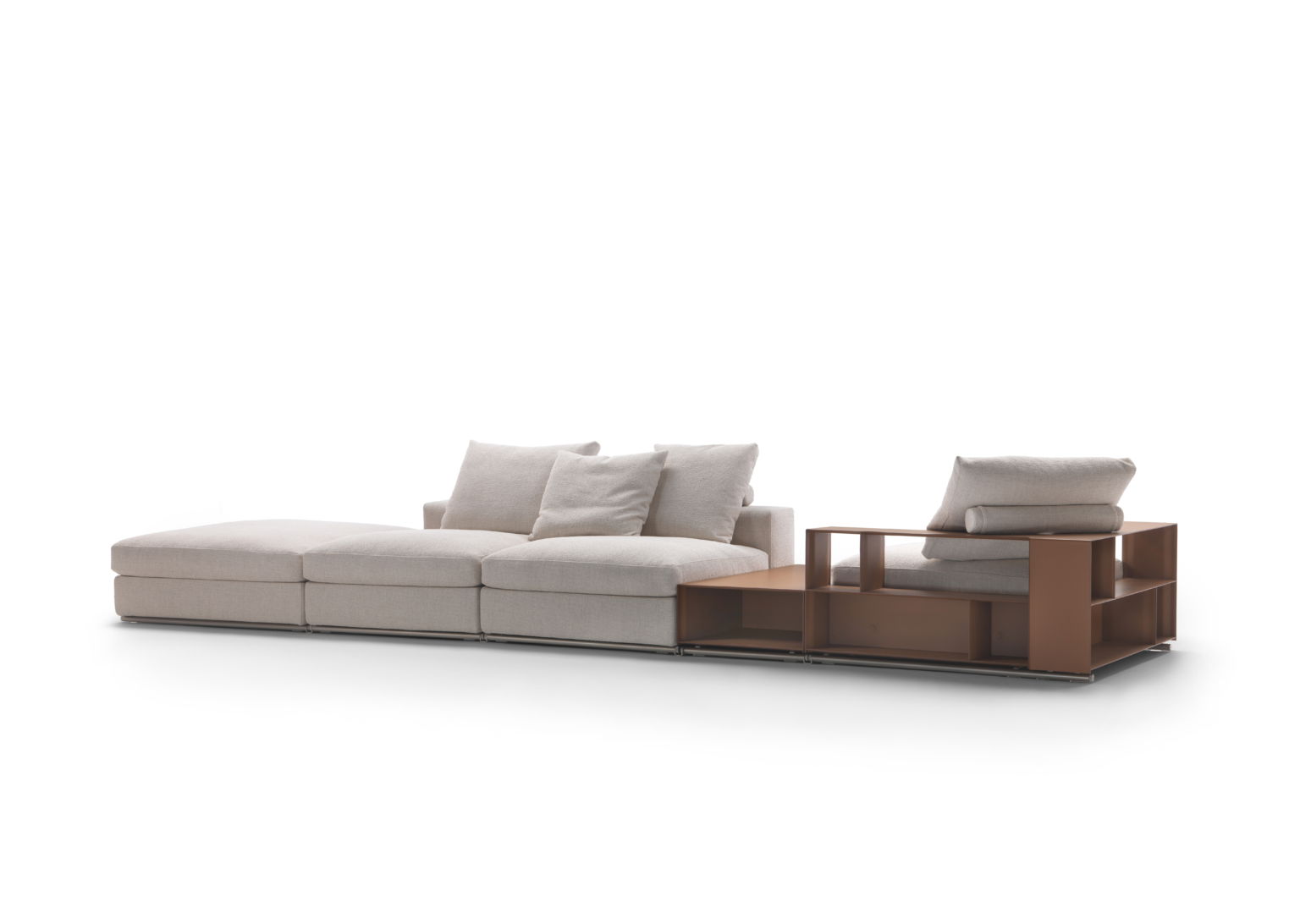
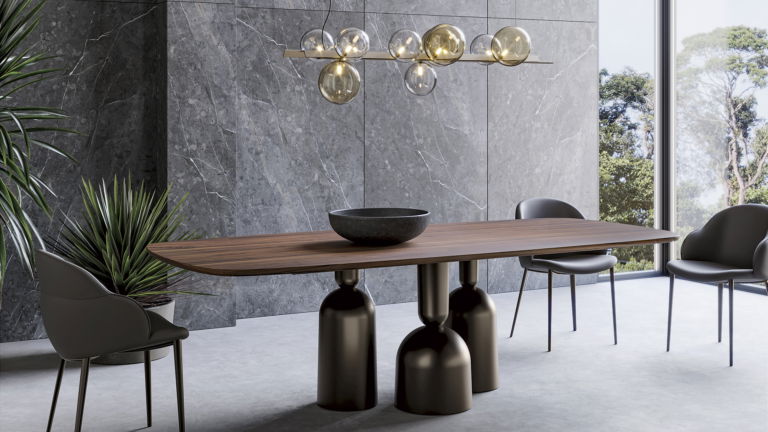
Bonaldo is known for its transformable tables, such as Cop Dining, which double in size thanks to sliding mechanisms. In a project for a small apartment in Turin, the Tracks table allowed the kitchen and dining area to be combined, providing space for 8 guests, despite an area of only 55 m².
Modulnova: The Kitchen as a Dynamic Space
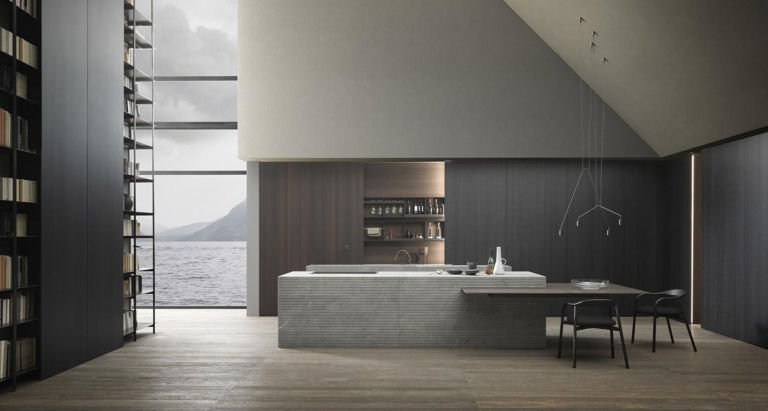
Dmitry Korotchuk emphasizes that “today’s kitchen is the center of life, and furniture must be ready for changing scenarios”. Modulnova systems MH6 и Blade Lab allow the island to transform from a work surface into a bar counter or additional storage space. In an apartment project in Astana, the Blade Lab island was used as a work area during the day and as a dining table in the evening, completely changing the kitchen’s usage scenario.
Aesthetics vs. Functionality: Balance Without Compromise
According to a Censis study (Italy, 2025), 72% of premium segment buyers consider adaptability to be the most important characteristic of furniture, but are not willing to sacrifice aesthetics. For example, the Cop Dining Bonaldo table combines a sliding mechanism with an elegant design of solid oak and aluminum, remaining visually light even in its extended version.
The Environmental Aspect of Adaptive Design
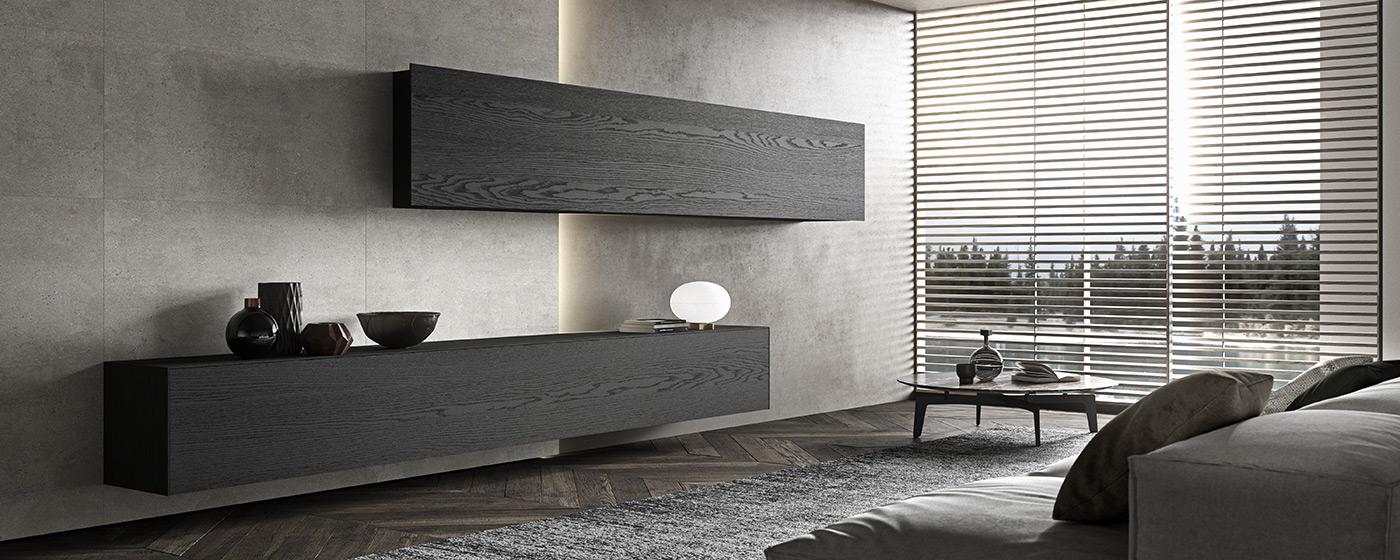
Transformable furniture reduces material consumption: one Bonaldo table with a sliding mechanism replaces two traditional ones, and Poliform modular elements reduce production waste by 15%. In an apartment project in Milan, Code Wall modular systems were used, which reduced wood consumption by almost a third without losing functionality and aesthetics.
The Future: Furniture as Miniature Architecture
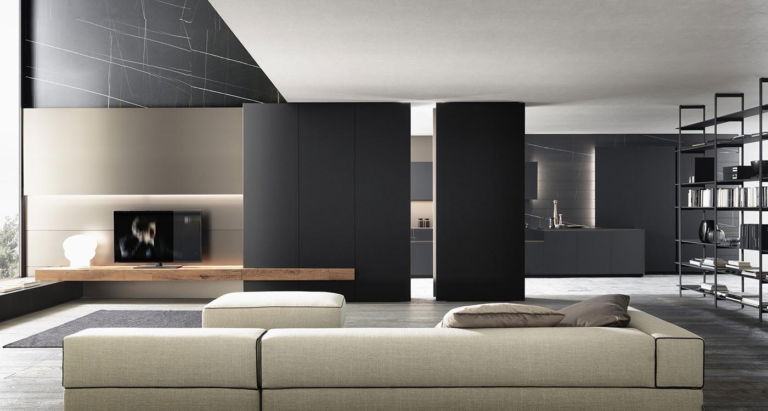
Experts predict that the adaptive furniture market in Europe will grow by 45% over the next 10 years. For example, Flexform Alison sofas and Bonaldo Tracks tables show how furniture items become elements that shape life scenarios. Designers increasingly view furniture as “micro-architecture,” where each module influences the perception of space.
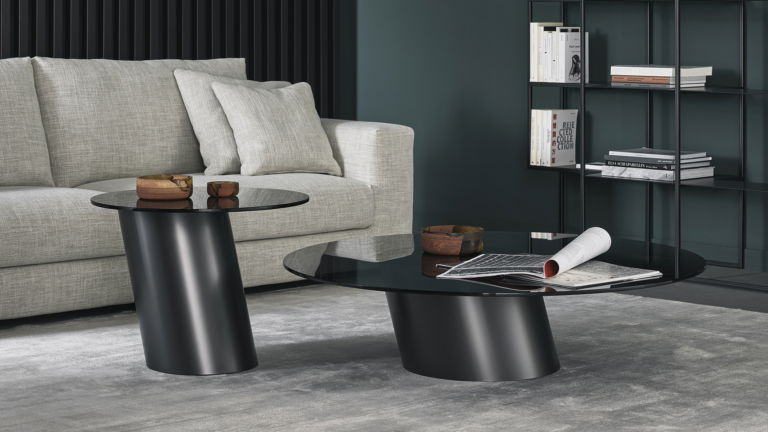
The metamorphoses of furniture are not a trend, but a new design language. Baxter, Flexform, Poliform, Bonaldo, and Modulnova demonstrate that transformation and adaptability are becoming tools for architects to create interiors that live and evolve with people. For professionals, this means: furniture must be designed as strategically as a building, taking into account usage scenarios, functionality, and aesthetics.