
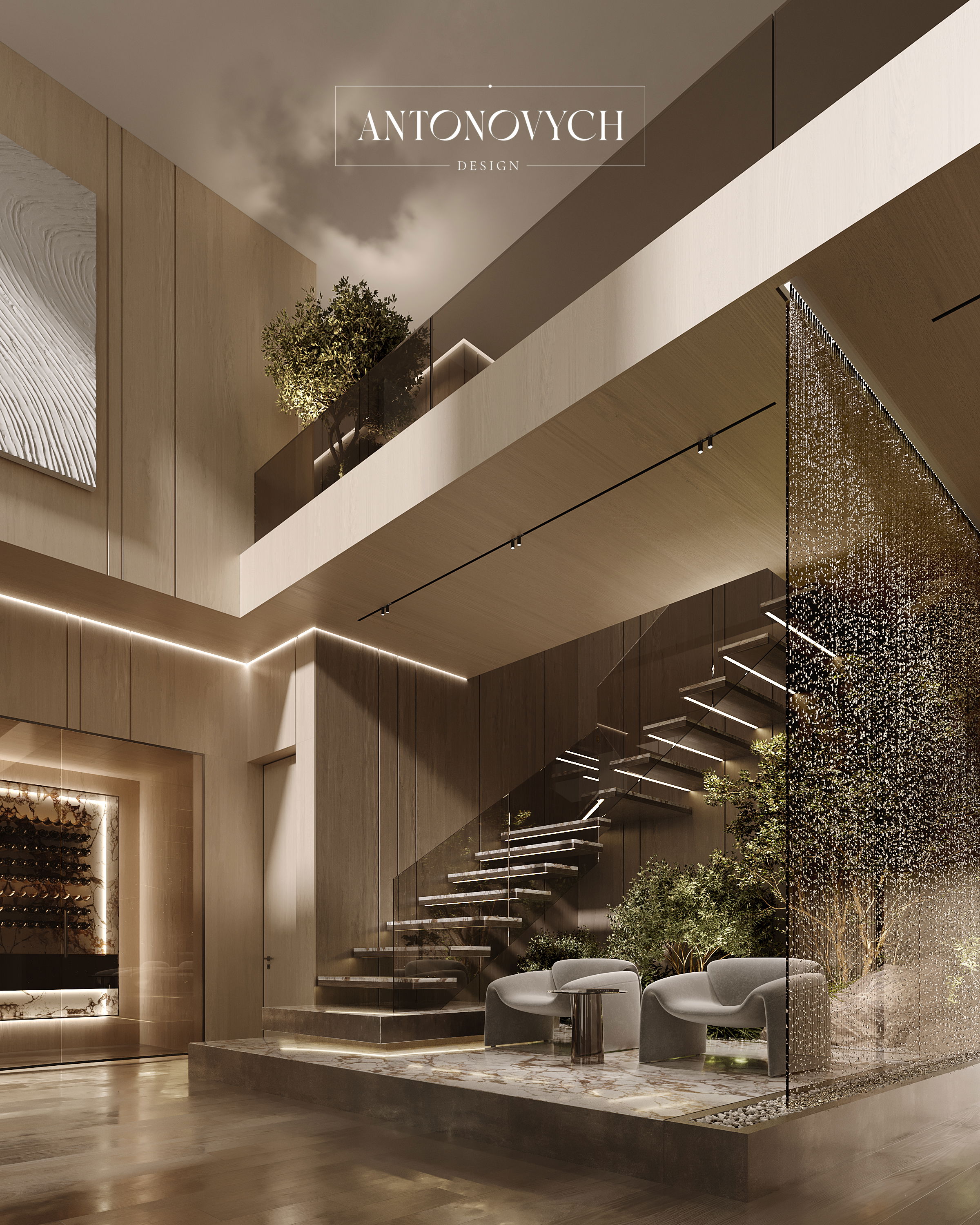
In the premium interior of the 21st century, a beautiful picture is no longer enough – space must grow with experience, memory, and meaning. Modern interior design in Kazakhstan goes beyond visual effect: it becomes an intellectual environment for life. In this study, creative interior designer Svetlana Antonovich from Antonovych Design studio explains why tolerance to time, functional literacy, and emotional stability become the main markers of a mature space. We compare the approaches of top interior designers in Kazakhstan and pay special attention to the position of the best interior designers in Astana, who are already setting trends in the premium segment.
Space Maturity: What It Is and Why It Matters
When we talk about interior maturity, we mean the environment’s ability not only to surprise but also to evolve with a person.Research Studio Future Trends (2025) showed: over 72% of premium apartment owners consider adaptability of space to new life challenges, not visual style, to be key.According to Svetlana Antonovich:
“A beautiful interior is one that doesn’t become outdated with seasonal trends, but becomes the personal story of its inhabitant. It’s a space where, over time, you don’t look for a new style – the space grows with you.”
Space that matures is not about decor, but about the architecture of experience: structure, movement, logic of use.
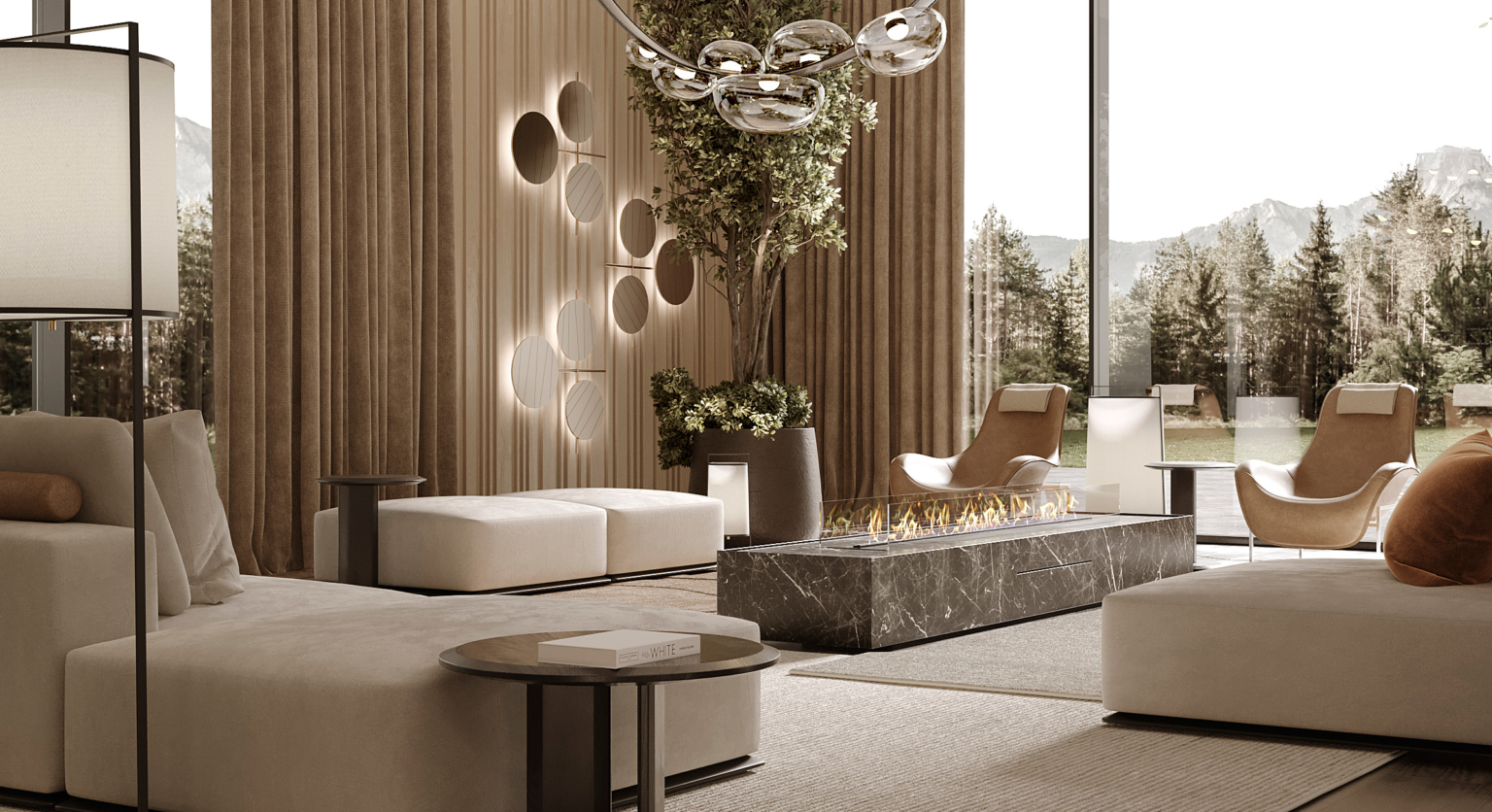
From Trend to Sustainability: The Aesthetics of the Future
If 10 years ago trends were dictated by frame colors and decorative items, today premium interior design focuses on sustainable concepts that stand the test of time.A comparative analysis of projects by the best interior designers in Astana shows that successful interiors have three common features:
- Clear functional hierarchy
- Materials that develop character, not lose it
- Focus on sensory comfort, not just style
Svetlana Antonovich:“We abandoned modular trends in favor of materials that age gracefully. Natural stone, textures with a tactile memory effect – they only become more expressive with years.”The degree of space maturity here is measured not by Instagram photos, but by emotional stability in daily life.
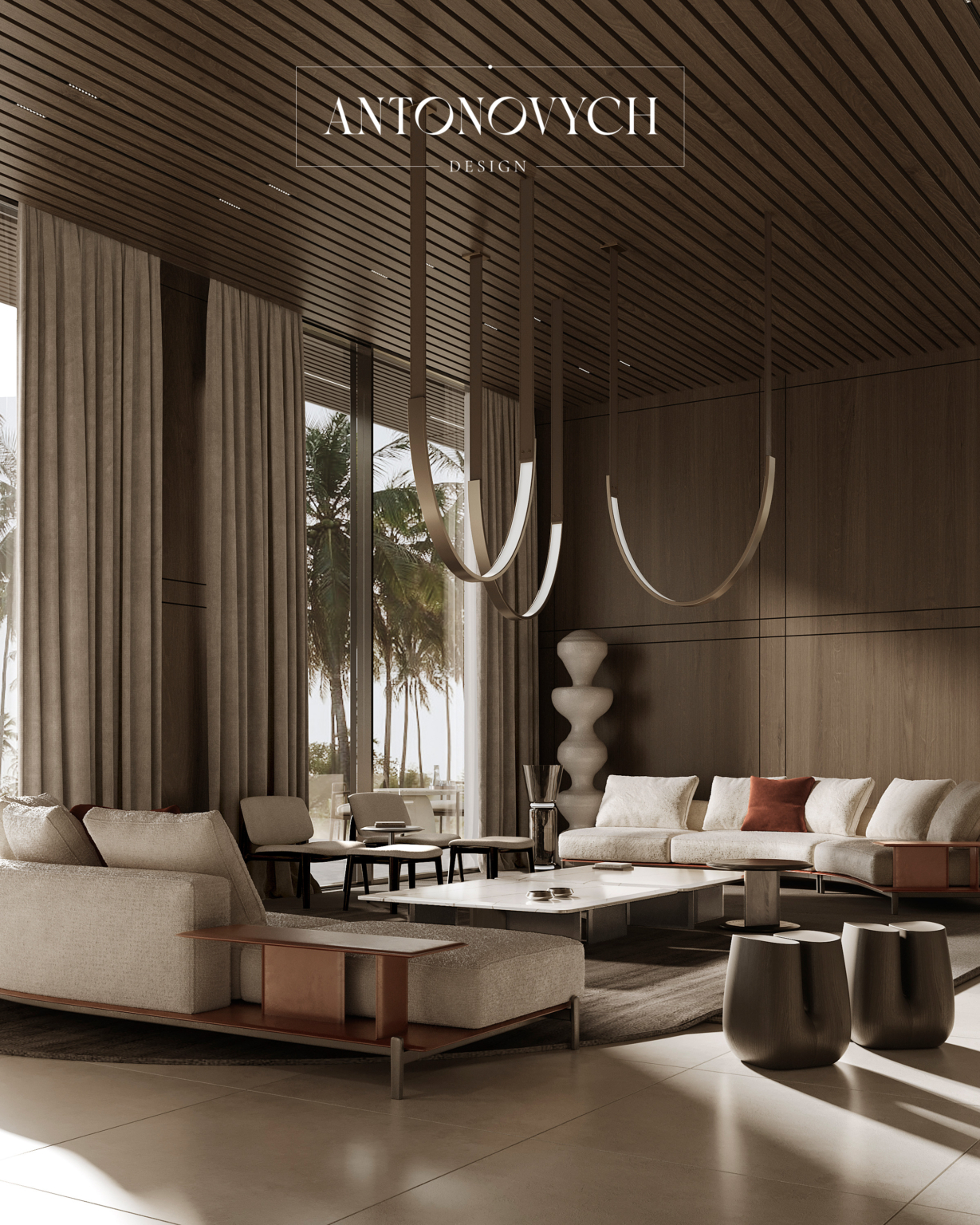
Space Usage Analytics: From Schemes to People
Traditionally, designers run the risk of excessive decor over functional logic. An analysis of 45 premium apartments completed in Astana in 2024–2025 revealed:In 60% of projects, the best interior designers in Astana optimized zones taking into account real usage scenariosIn 28% – rethought familiar functions through flexible solutionsIn 12% – the emphasis remained decorative (which reduced the efficiency of living space)Svetlana Antonovich clarifies:
“Aesthetics alone is not design. Design is when every line, shape, or texture works for a person, not for a picture.”
This is critically important in the premium segment: space must solve problems, not just look impressive.
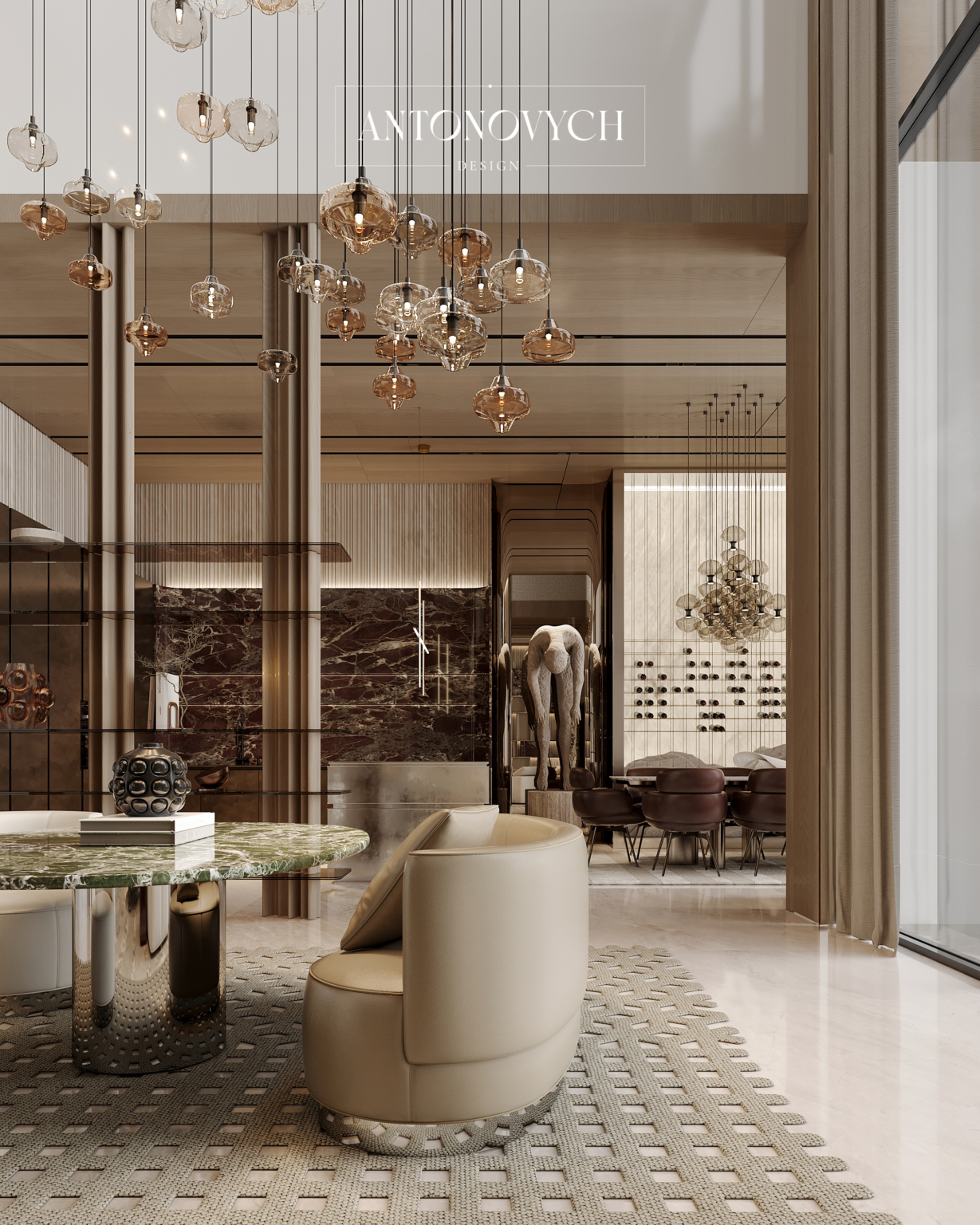
How Space Learns from People: Emotional Feedback
Modern interiors have ceased to be soulless backdrops. Today, they react to human behavior. This is not about technology; it’s about the psychology of perception.Neuroaesthetic studies from 2025 in the premium segment show that space adapted to life scenarios reduces daily stress levels by 18–25%. Such a space feels like a sanctuary, not an exhibition.Svetlana notes:
“We don’t design a house for one season. We design a house that learns from its inhabitants – what brings joy in the morning, what helps to calm down in the evening, how space supports activities, rather than distracting from them.”
This emotional feedback is a sign of a mature interior.
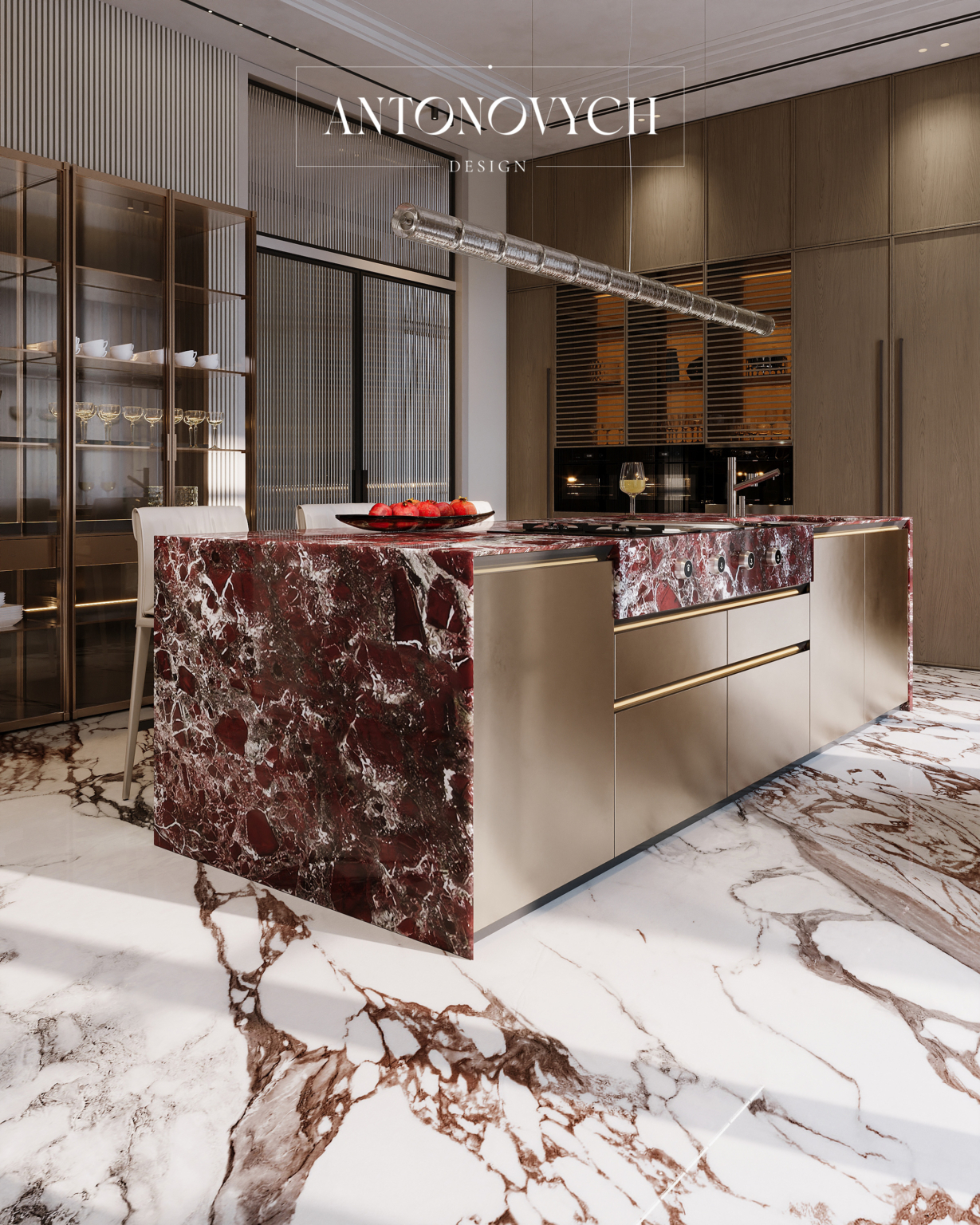
Material as Memory: Durability is Not About Stone, But About Experience
The premium approach to materials has long ceased to be limited to prestigious brands. It’s about materials that enrich the space over time.From the Material Intelligence Lab study (Europe, 2025):
- Natural textures promote deep visual and tactile connection
- Over time, they develop a patina that a person perceives as part of their history
- Artificial surfaces lose emotional value faster
Svetlana Antonovich explains:
“We choose materials as companions of time. They don’t just last long – they mature beautifully, as if absorbing the memory of life within.”
This is the key difference between Antonovych Design studio and purely decorative approaches: not “how beautiful it is now,” but *how beautiful it will be in 10, 20, 30 years.”
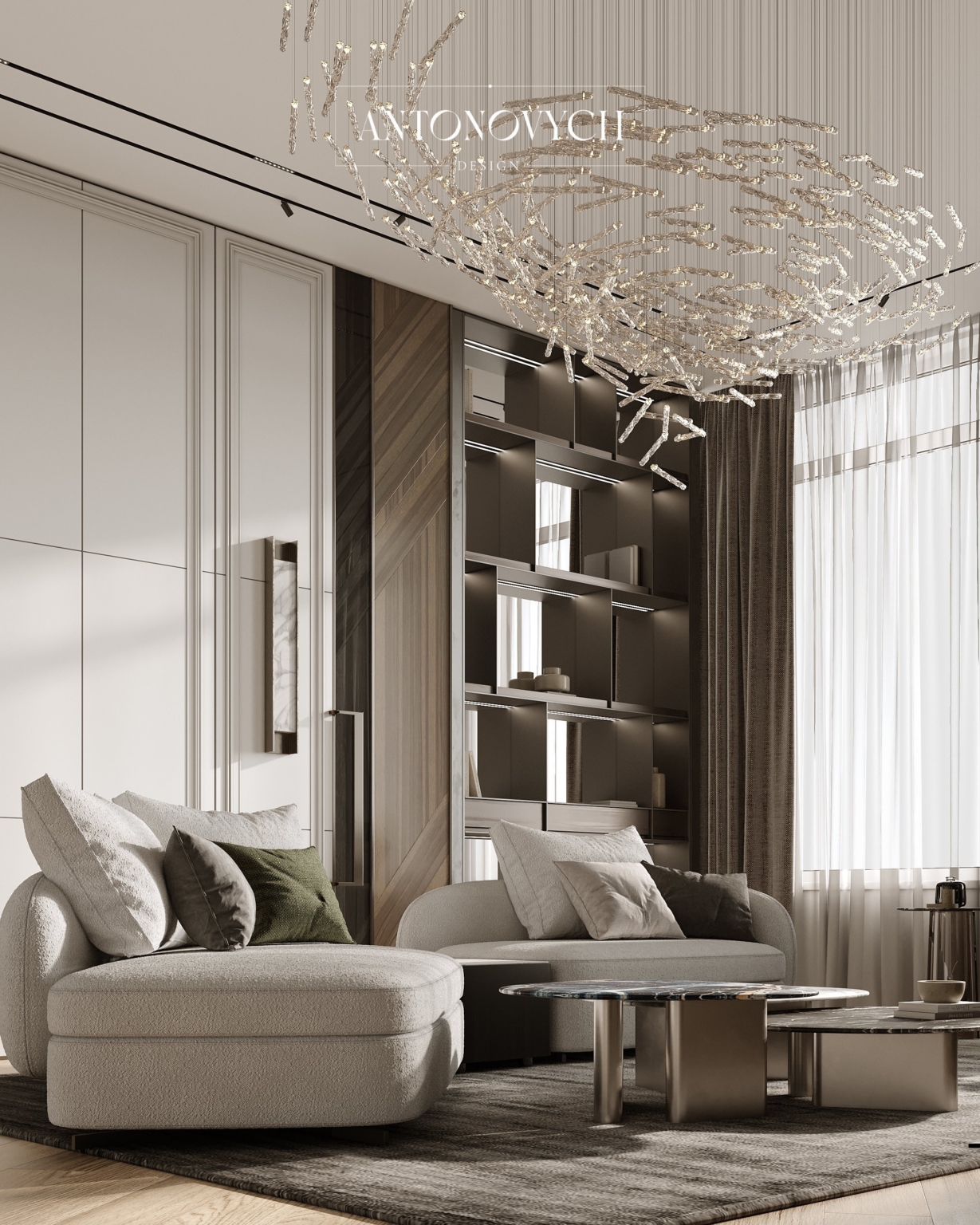
Maturity as a Long-Term Investment: Cost Analytics
Premium interiors are increasingly seen as part of a housing investment strategy. An analysis of the elite apartment market in Astana (2023–2025) shows that projects with a sustainable concept are 12–17% more expensive compared to superficial design focused only on visual effect.The reasons are obvious:
- A mature interior requires fewer renovations
- It resonates more strongly with high-income buyers
- It is perceived as an environment, not a collection of objects
Svetlana Antonovich summarizes:
“The true value of premium design is not in instant trends, but in the strategy of space. It is an investment in quality of life that retains its relevance through the years.”
The design of the past sought to surprise. The design of the future seeks to understand.Space that matures beautifully is a space that grows with a person, adapts to their needs, possesses emotional stability and durability. This is a meta-course, not a course for fleeting effect.Such interiors are created by top interior designers in Kazakhstan, among whom the best interior designers in Astana not only follow trends but also shape them. This is how Antonovych Design studio, led by Svetlana Antonovich – a leader in premium design that combines intellect, functionality, and depth of meaning – operates.