
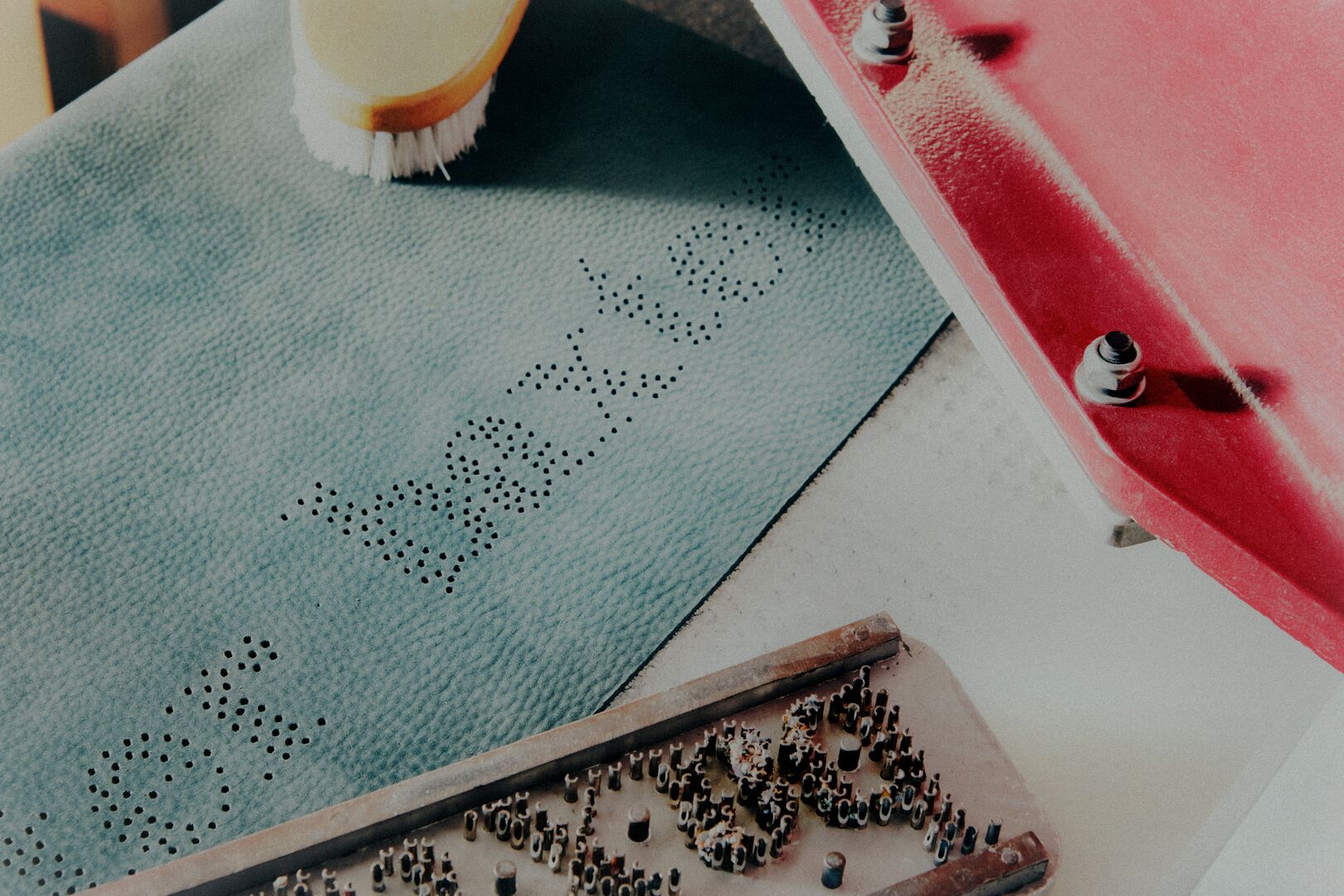
Modern interior architecture increasingly works not with flat schemes, but with materials that form depth of perception. The Italian brand Baxter, known for its radical approach to leather, offers architects and designers a new toolkit — furniture that functions as an architectural structure. In Antonovych Design projects and in the exposition of the Antonovych Home showroom in Astana, this approach becomes evident: leather ceases to be a finish and transforms into the language of space.
Leather as Architectural Matter
Baxter works only with top-quality leather sourced from small Italian tanneries. The brand’s peculiarity is its rare tanning process: each batch undergoes manual tanning, dyeing, and polishing, which makes the texture maximally ‘alive’. As a result, furniture is perceived not as a decorative element, but as an architectural material — similar to marble or wood. In the Antonovych Home showroom in Astana, this effect is clearly visible: Budapest Soft sofas and Tactile armchairs form the structure of the space, dictating the interior composition.
Architectural Rhythm: Furniture Instead of Columns
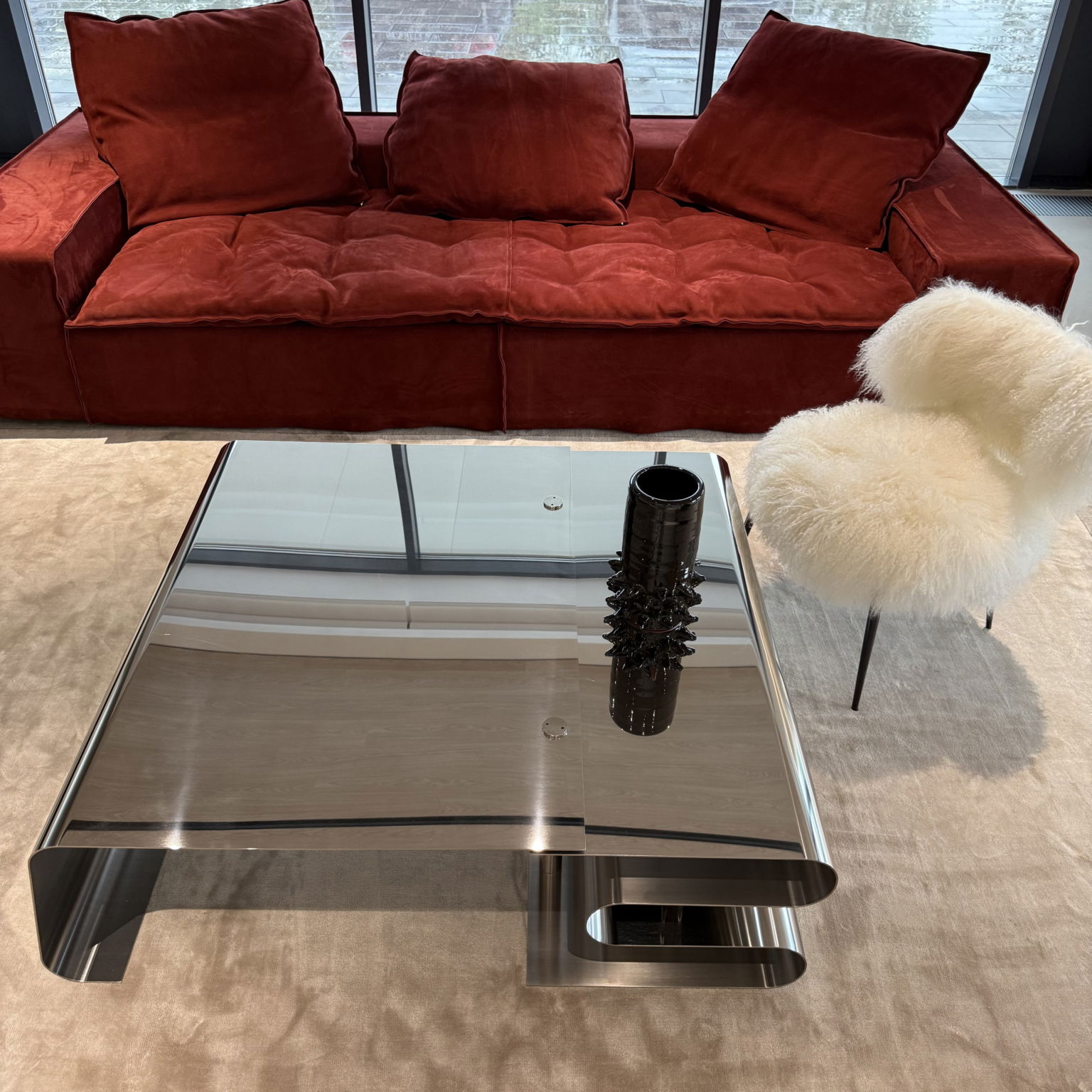
Baxter creates objects that operate according to the laws of architecture. For example, the iconic Chester Moon sofa is built on a rhythm of deep stitching, reminiscent of the ornamentation of historical building facades. In Antonovych Design projects, such items set ‘anchor points’ around which the layout is formed. Studies show that over 65% of designers working with premium furniture note that Baxter specifically helps create accent zones comparable in significance to architectural elements.
Color as a Tool for Spatial Scenario
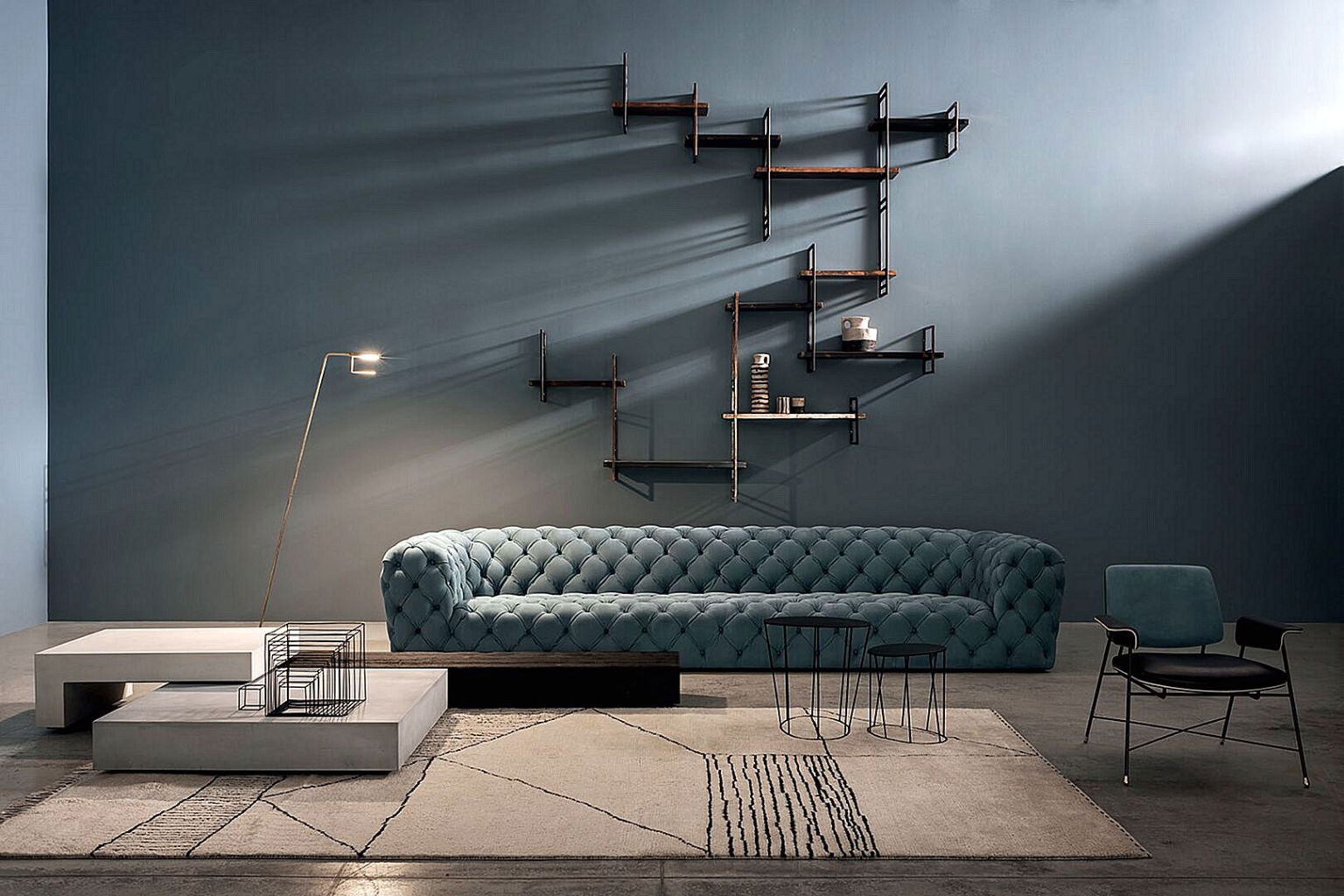
Baxter’s palette includes over 400 shades of leather, making it one of the richest in the furniture industry. Unlike standard factories where choices are limited to dozens, Baxter gives architects the opportunity to work with color as a constructive element. In Antonovych Design projects, deep shades of tobacco and graphite are often used for zoning public spaces, while soft pastel tones are used for residential interiors. In the Astana showroom, designers can see how the Miami Beach sofa forms the ‘center of gravity’ of the interior, and armchairs in mustard shades visually expand the space.
Tactile Architecture: When Sensations Govern Perception
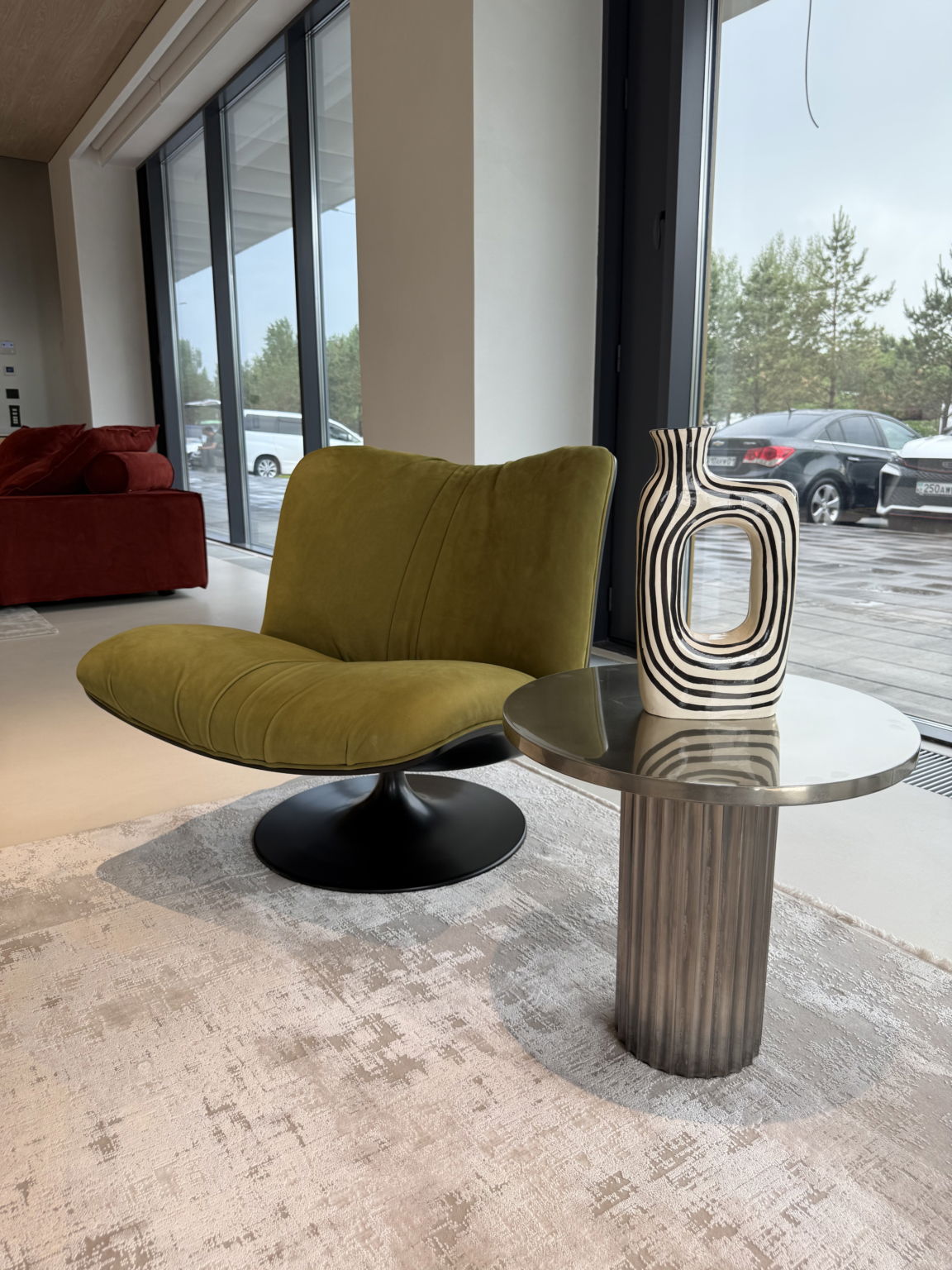
Modern research confirms that tactile sensations form up to 60% of the overall impression of an interior. This is why Baxter pays attention to texture. Suede with a light nap, smooth polished leather, soft nubuck — each type of material is perceived by the architect as a ‘surface of space’. In Antonovych Design projects, tactile contrasts are used consciously: velvety Nabuck leather in lounge areas enhances the atmosphere of comfort, while glossy Kashmir leather in public interiors creates an effect of status and formality.
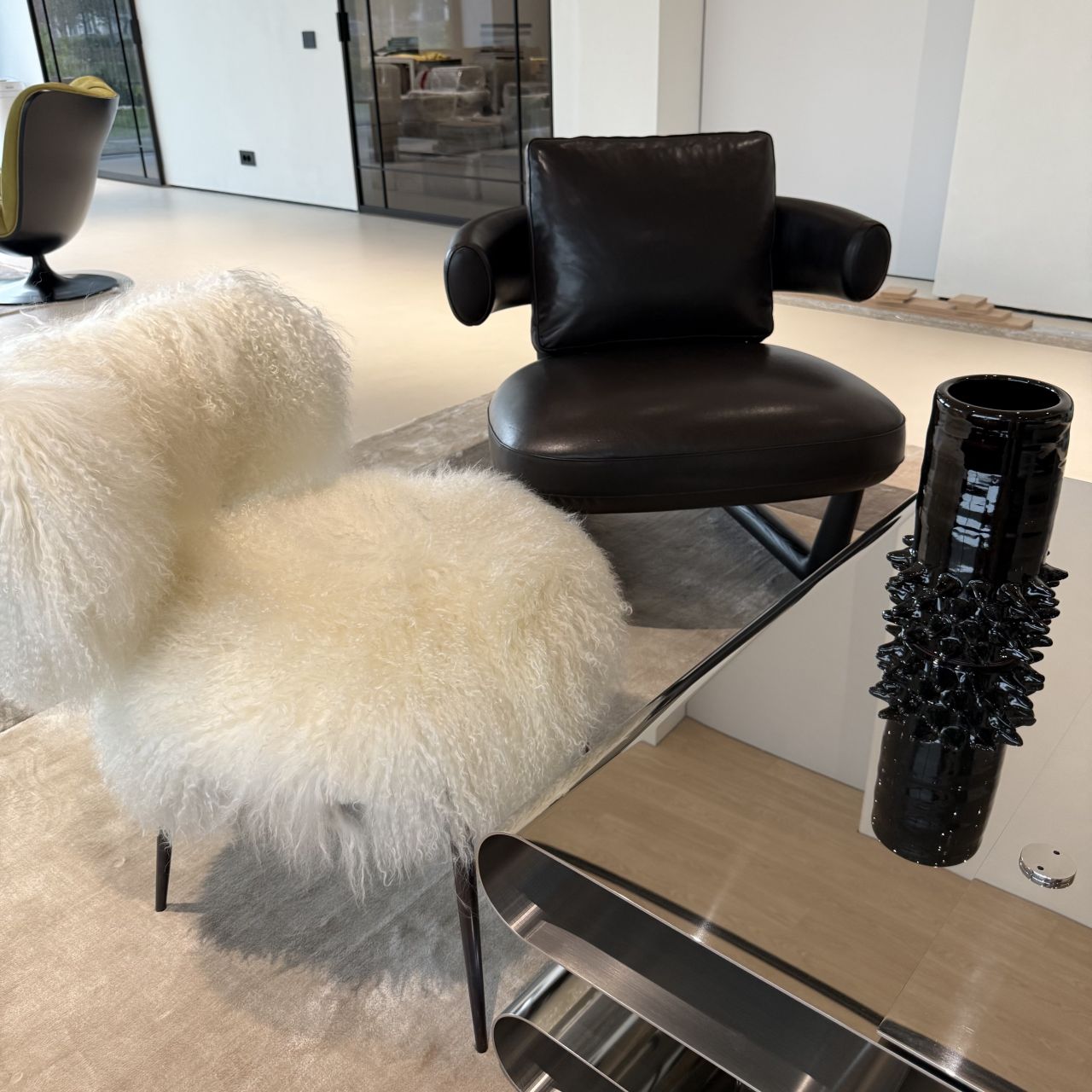
Production Precision: Furniture as an Architectural Object
The Baxter factory in Como produces furniture with almost jewelry-like precision: one sofa takes up to 30 hours of manual labor. The frame is assembled from solid wood, the leather is stretched by hand, and the seams undergo an additional control stage. For an architect, this means that an item can be used as a ‘building module’ with guaranteed quality of execution. In Antonovych Design projects, this directly affects the timing and accuracy of implementation: ordered Baxter items are integrated into the interior as pre-calculated architectural elements.
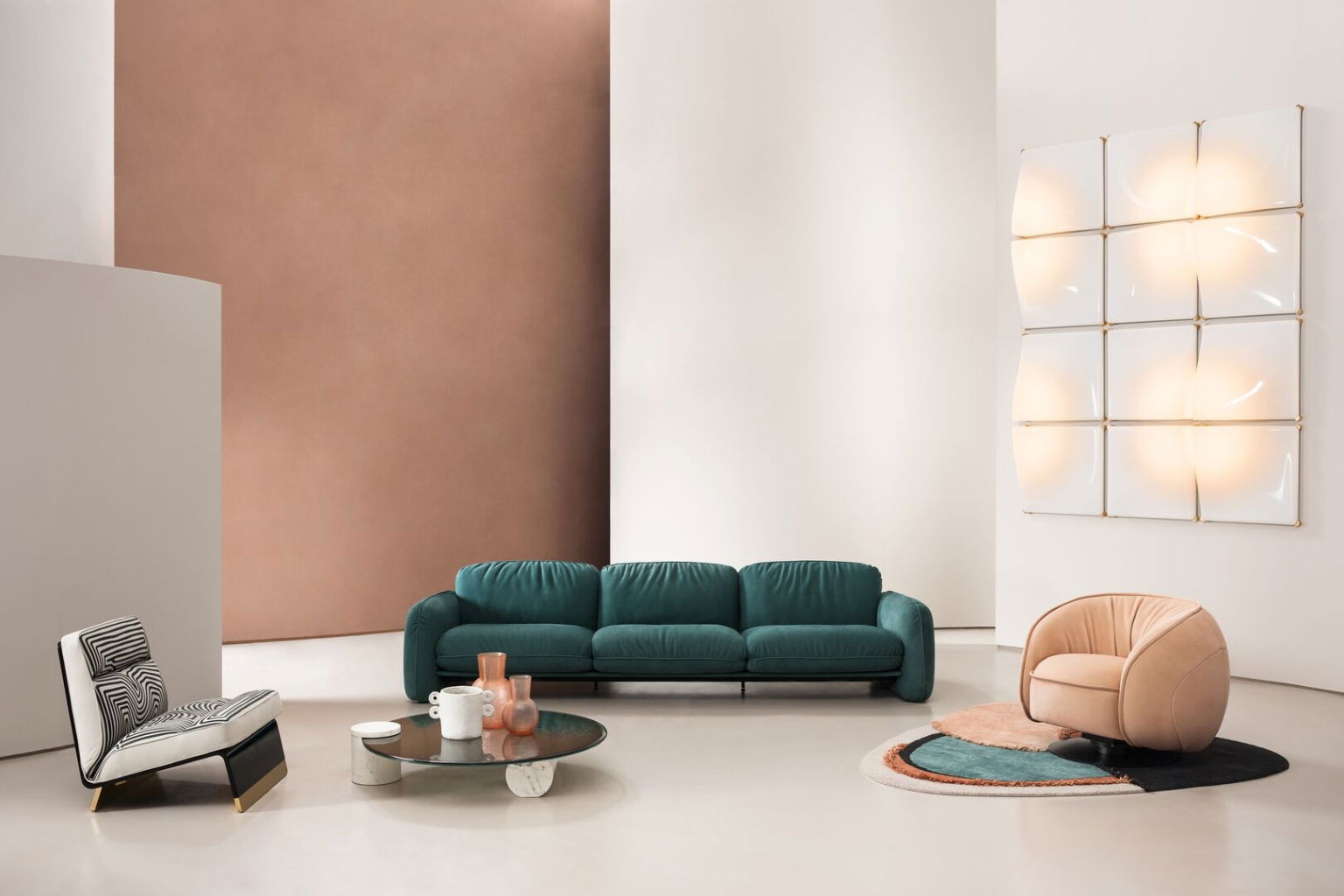
Antonovych Design Experience: Space Born from Leather
In Antonovych Design projects, Baxter furniture plays the role not of an addition, but of the core of the concept. For example, in one private interior in Astana, the living room composition was built around the Budapest Softsofa, which set the proportions and plasticity of the entire space. The exposition at Antonovych Home in Astana confirms this approach: here, designers and clients can see how a single Baxter item can ‘launch’ the entire architectural scenario of an interior. Baxter transforms leather into an architectural tool, and furniture into an element of spatial construction. In the hands of Antonovych Design architects and designers, this tool acquires strategic importance: furniture sets the rhythm, scale, tactile depth, and even the economic value of the project. The experience of the Antonovych Home showroom in Astana shows that Baxter is not just furniture, but a language through which architecture and design begin to speak emotionally and convincingly.