

When people say “interior designer,” many still imagine a person with a fabric catalog, selecting sofas, and a few beautiful pictures for inspiration. But in 2025, this is not even half-true — it’s an anachronism.
Today, a designer is not just an aesthete. They are a strategist. They manage space, light, noise, emotions, and even the client’s future habits. Their task is not to “make it beautiful,” but to design a rhythm of life within the space. And if you think about it, this is precisely what makes our work so profound.
Design as a life scenario
If one had to describe the main difference between the modern approach and yesterday’s, one could say — today, we design not rooms, but the direction of everyday life. How does the family wake up? Who likes to drink morning coffee where? Is there a need for a place to be alone when the day is particularly noisy? These are not details — this is the scenario upon which the entire project is built. Svetlana Antonovich, creative designer at Antonovych Design, says:
“Today, an interior is not just about aesthetics. It’s a life scenario that works for the client. We design spaces where a person can be in balance with themselves, without noticing how the design helps them — and that is the true depth.”
If a designer doesn’t ask such questions, they are simply drawing a pretty picture, not creating a living environment. It is scenario-based design that becomes the core of the methodology: the designer, like a director, builds the logistics of movement, transitioning from “rooms” to “scenes.” The boundaries between functions blur — the kitchen becomes an office, the bathroom turns into a spa area, and the corridor carries semantic weight. Interesting fact: according to the international bureau Frame, over 70% of architects in Europe already apply “story-based design” in residential projects.
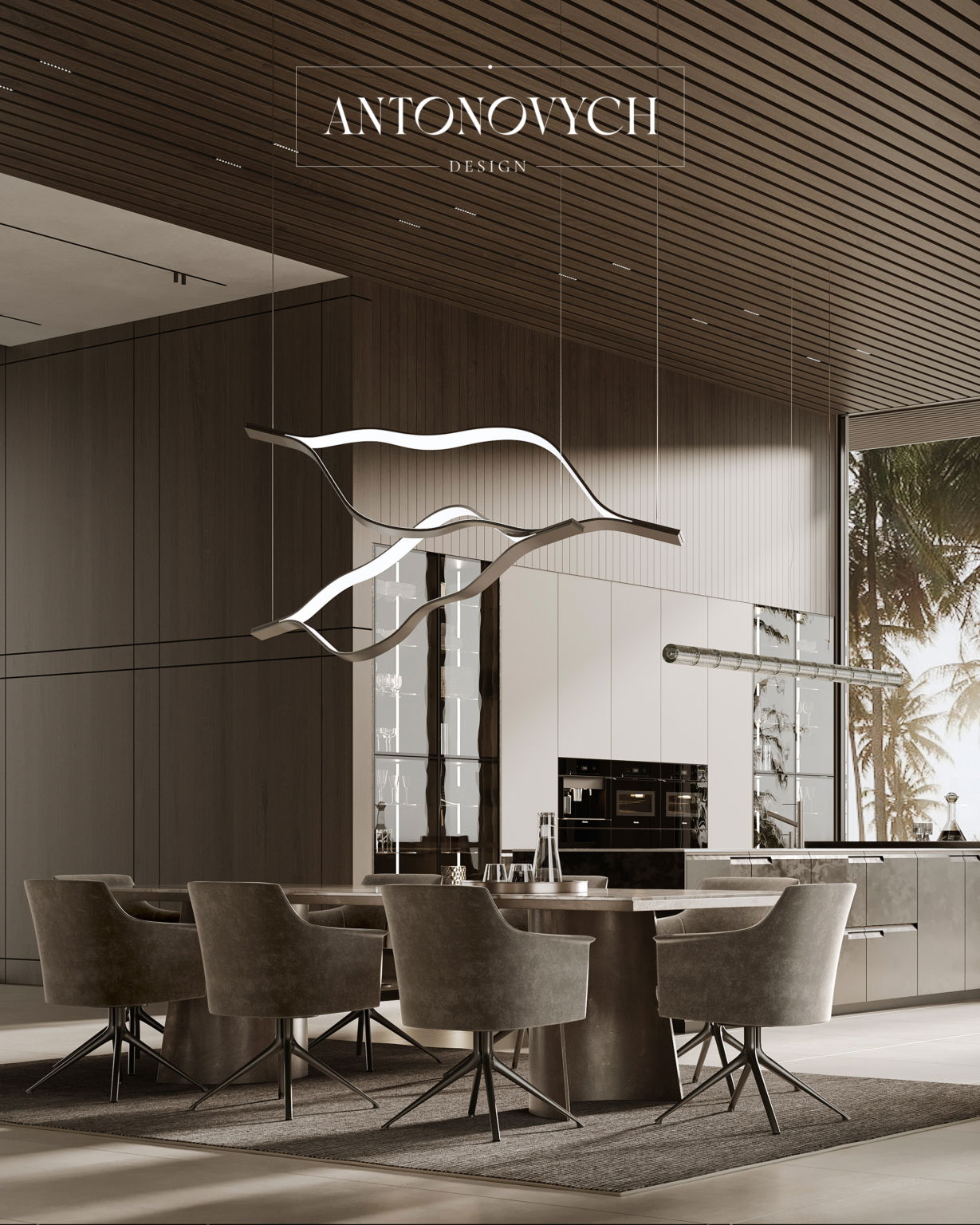
Acoustics — a new dimension of comfort
Silence is a luxury that is hard to notice until it disappears.
Previously, we paid more attention to visual comfort, but now, especially with the advent of open-plan layouts, it has become clear: acoustics affect the psyche no less than light or color. And good acoustics are not just about sound insulation. It’s delicate work with materials, shapes, and even the direction of sound.
At Antonovych Design, we often use acoustic panels, curtains with special weaving, and even adapt ceiling shapes so that “excess noise” is not reflected back. It’s almost imperceptible, but it’s these things that create a sense of coziness.
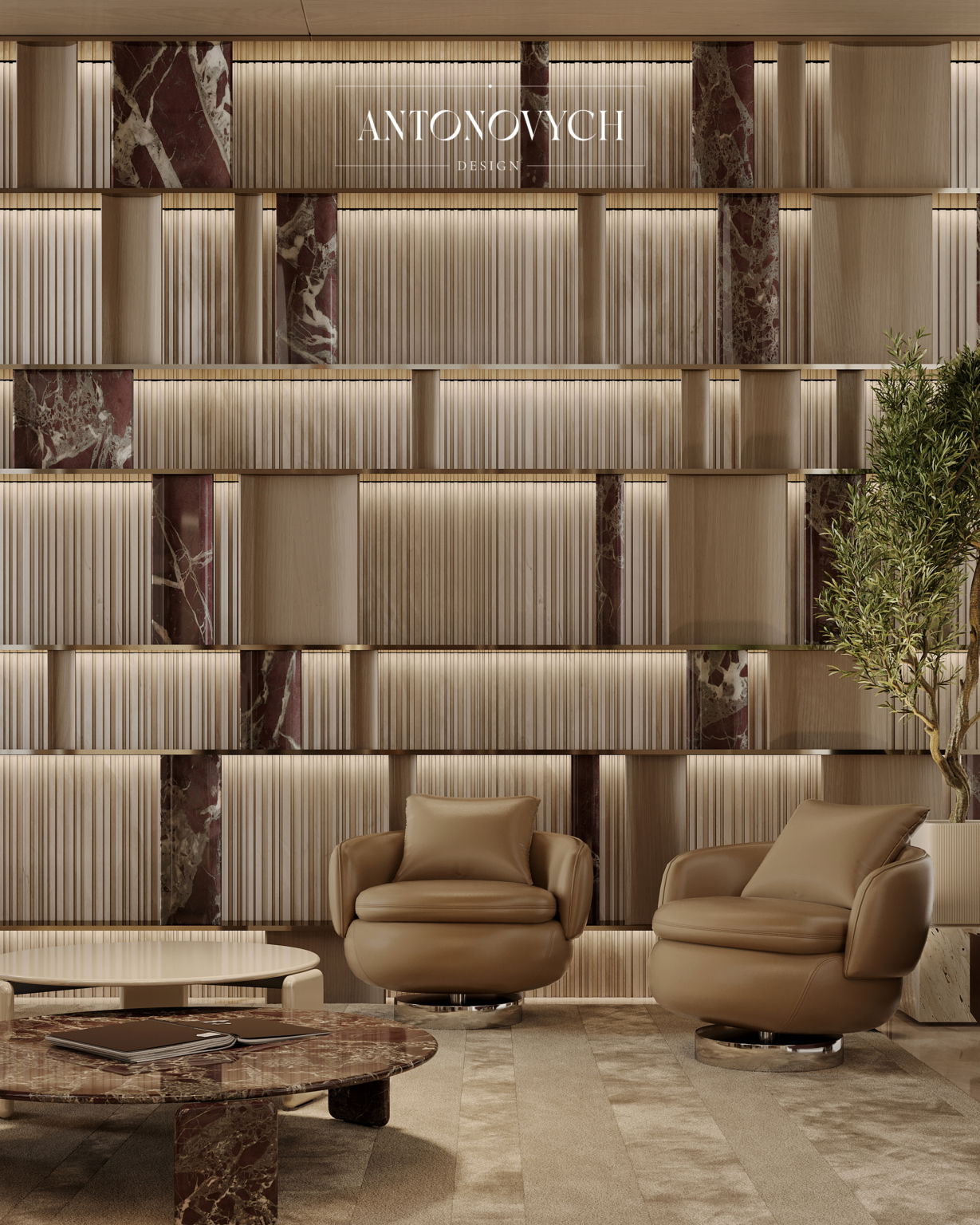
Light is not about chandeliers
Light is, in essence, an emotion that we introduce into a space. The same interior can “speak” in different voices with different lighting. In modern practice, light is not just used for zoning, but literally to program behavior. For example, in a relaxation area, soft side lighting with a warm temperature is used. In a workspace, directed, adjustable light of a cold spectrum is used. And these “light scenarios” are easily switched, adapting to the rhythm of the day. Svetlana Antonovich says:
“We think of light as the third dimension of architecture. It shapes the perception of space, affects the psyche, and creates depth. Without a well-thought-out lighting scenario, even the most expensive interior can remain flat and unconvincing.”
This is absolutely true. There is nothing more frustrating than spending months on perfect finishes — only to get a “dull,” improperly lit room. According to a Philips Hue study, lighting can increase cognitive activity by up to 14% if it is adapted to human biorhythms.
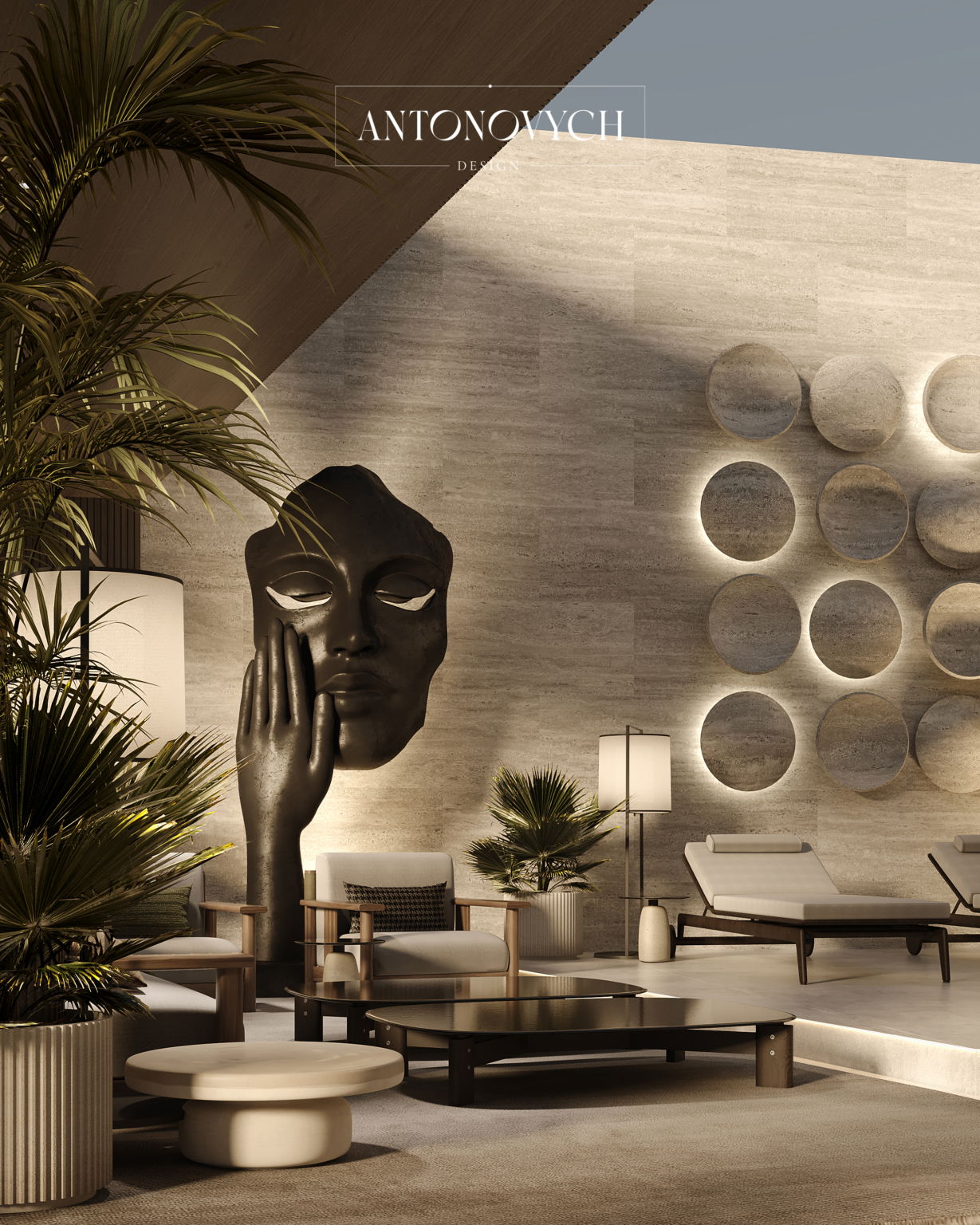
Color psychology: design through sensations
Color is no longer a trend; it’s a tool of influence.
And it’s not just that blue-gray calms and terracotta warms. It’s important where, to whom и why.
“In some projects, we literally ‘calibrate’ the palette according to the client’s psychotype. For one person, a dark green bedroom is comfort and security. For another, it’s visual pressure. And you don’t see this immediately, but then you hear it in feedback: ‘I breathe easily in this interior’”, says Svetlana.
This is the area where the line between design and psychology becomes especially thin. And there should be no universal solutions here.
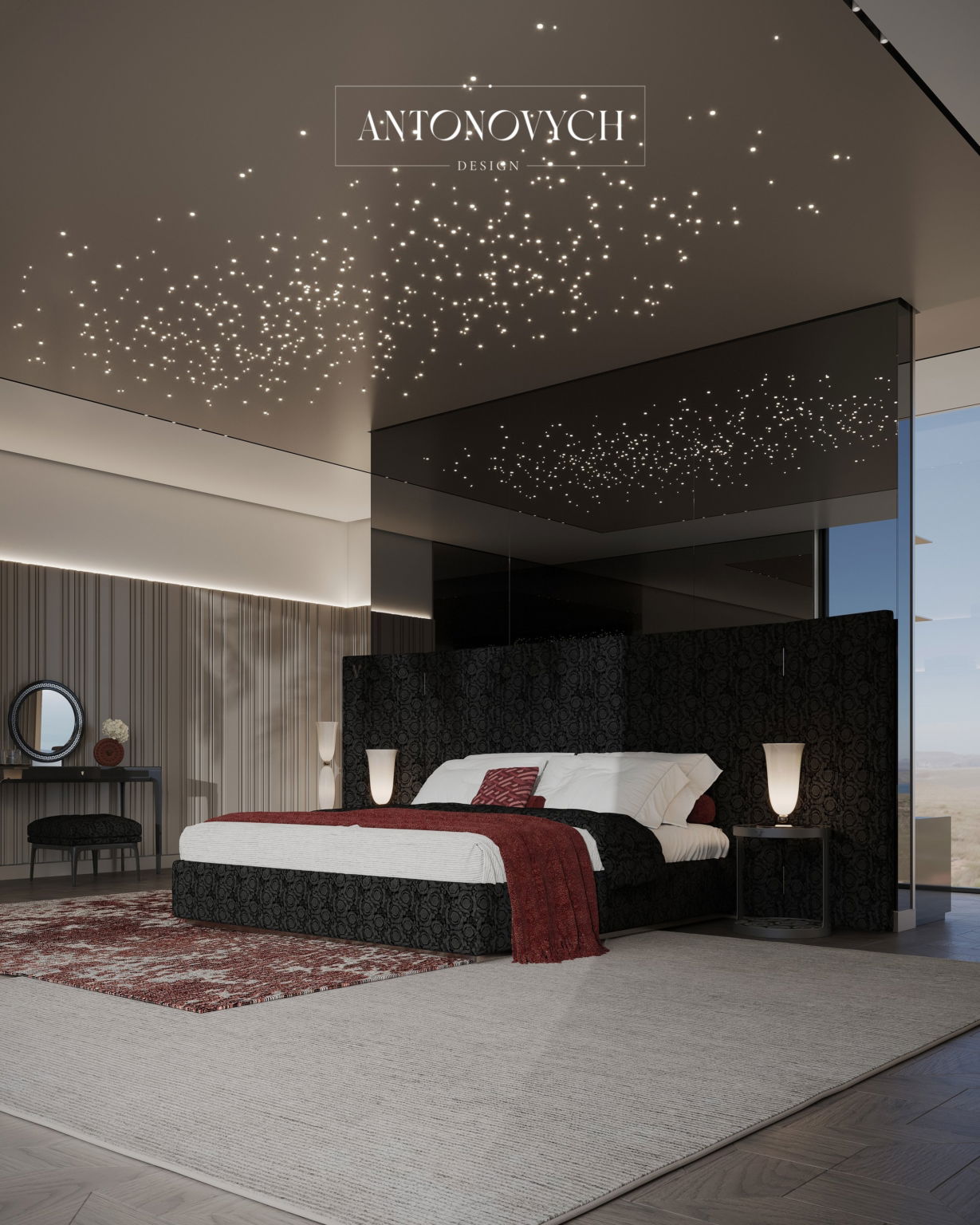
Ergonomics: designing for the body, not for photos
It must be admitted: Instagram reality has taught many designers to design “for the picture.” But people live not in photos, but in motion. And this is where ergonomics comes into play. How does a person sit in an armchair? Is it comfortable for them to reach the top shelf? Can they open a cabinet with one hand while holding a child with the other? These are not everyday trifles — these are questions of quality of life. Interesting fact: Poliform, in its Ubik and Artex systems, offers modules that can be adjusted to height, dominant hand, and mobility level. Shelves, guides, even built-in organizers in drawers — everything can be adapted. At Antonovych Design, we often take this flexibility as a standard, especially in projects for families with children or elderly family members.
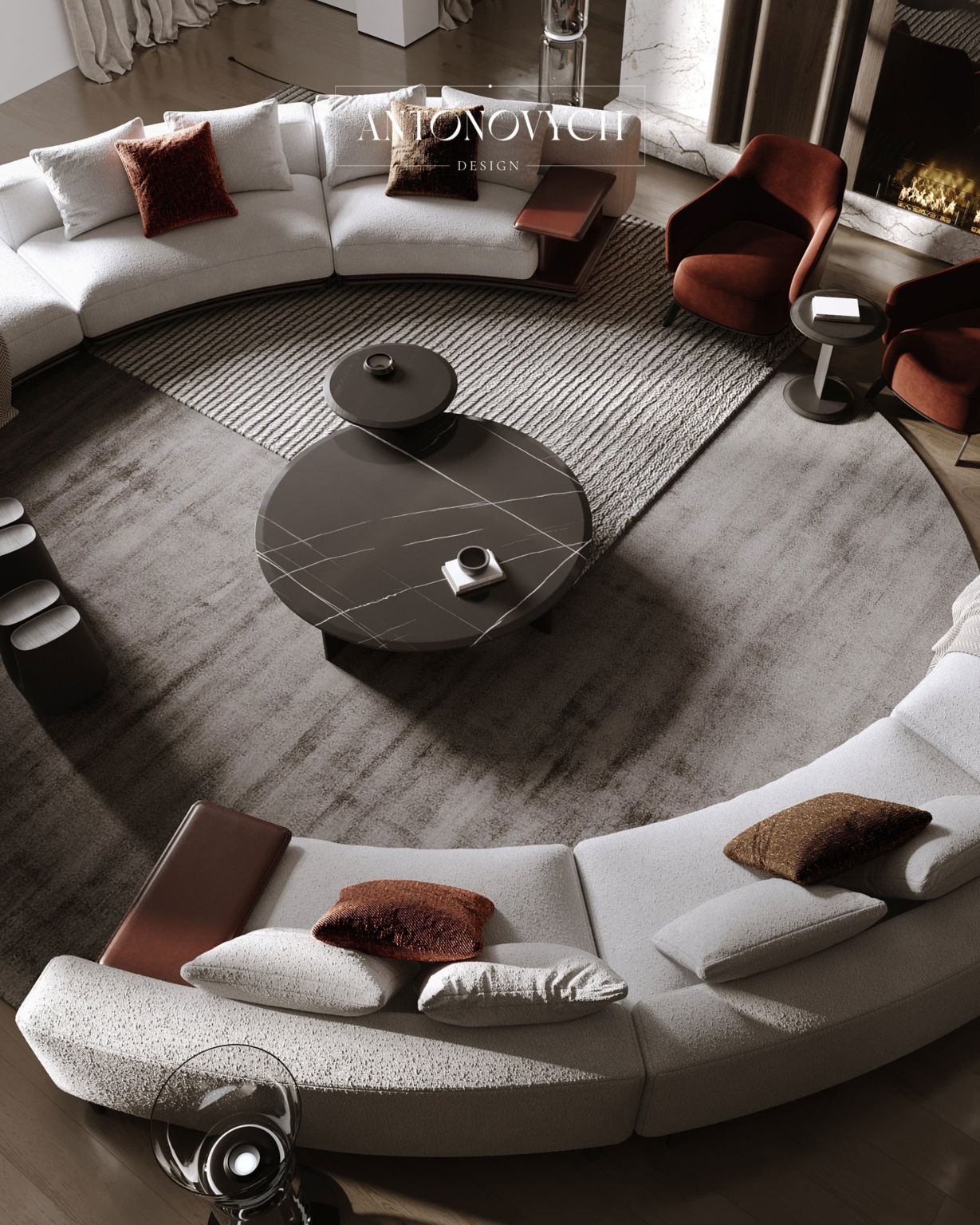
Today, a designer is someone who knows how to listen. Not just to words, but to the body, light, pauses, and the client’s reaction to the space. They design not a picture, but an experience. That’s why design has become much closer to architecture, psychology, and even neuroscience. We no longer just “decorate” space. We create an environment where the person is in focus. And if that’s not strategy — then what is?