
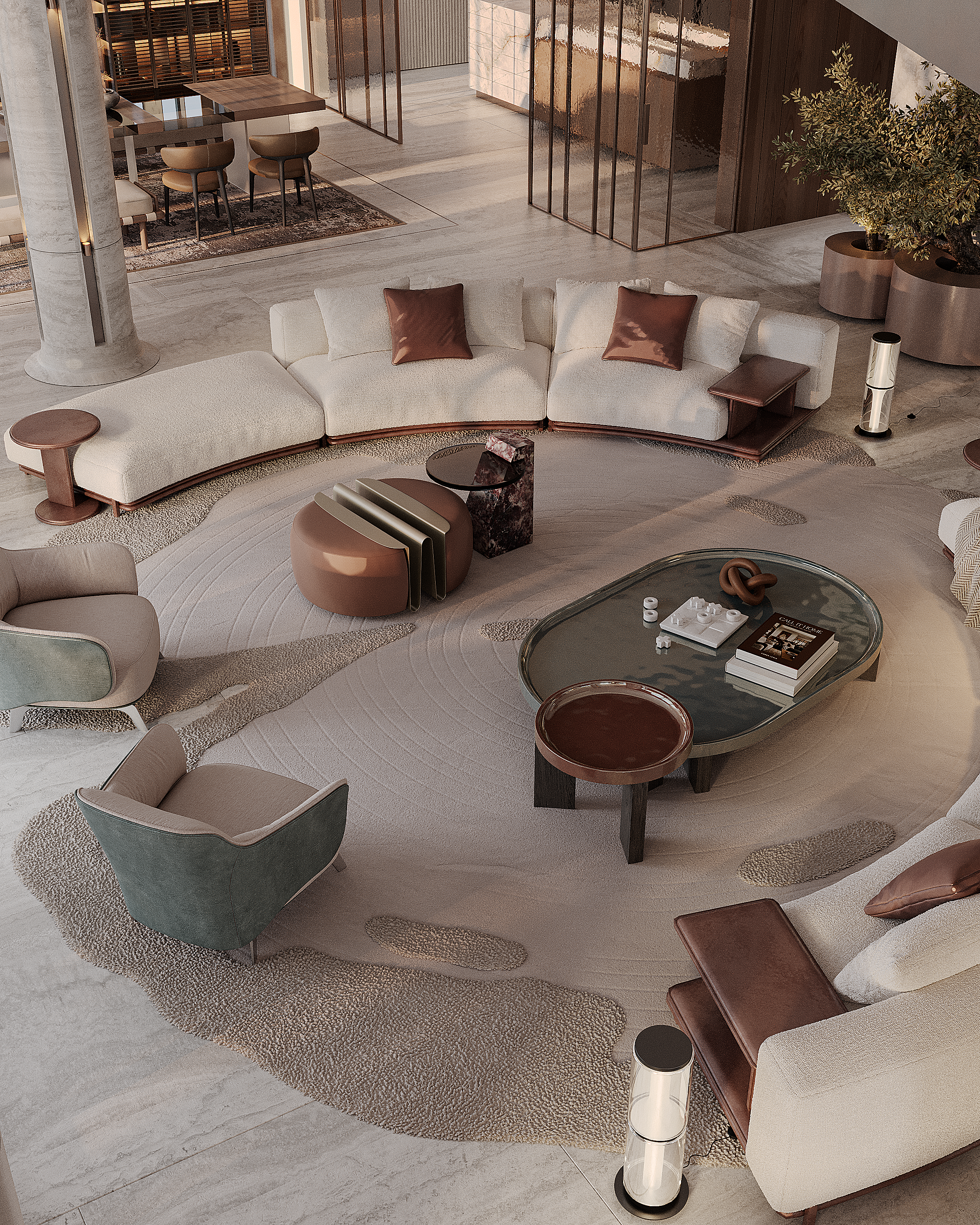
A modern interior is a complex system where every element influences another: engineering solutions, lighting, materials, proportions. Author’s supervision transforms a design idea into reality, protects the budget, and prevents errors. At Antonovych Design studio, they are convinced: without the author’s control, a project remains only a hypothesis, not a guarantee of the result. Svetlana Antonovich, the creative designer of the studio, acts as an expert in this matter, whose experience allows combining aesthetics, functionality, and technological effectiveness.
Design is no longer just a simple visualization
“Before, a project was a drawing and pictures. Today it is an investment, and it needs to be protected,” says Svetlana Antonovich, creative designer at Antonovych Design studio. The global interior design market was valued at $150 billion in 2024 and is projected to grow to $250 billion by 2033, with an average annual growth rate of 6.5%. Author’s supervision ensures precise adherence of the project to the designer’s intent and helps avoid accidental changes during implementation.
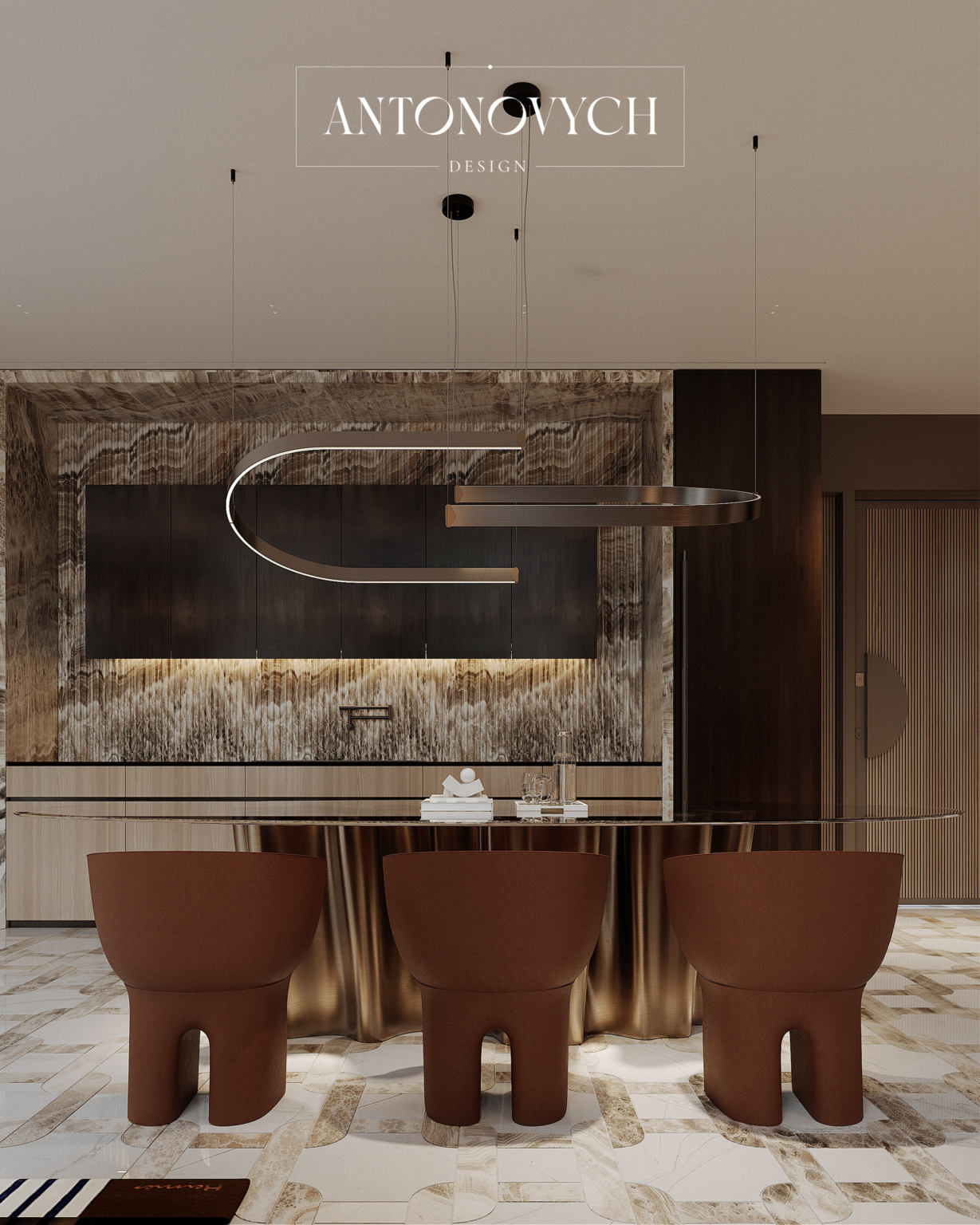
Reality is more complex than the project
“It often seems that it’s enough to send drawings to the contractor. But reality is more complex: materials may be unavailable, furniture sizes may differ, the team may misinterpret the plan,” explains Svetlana Antonovich. Without author’s control, up to 30% of design solutions are distorted during implementation, leading to rework and loss of interior harmony. Author’s supervision allows for timely correction of any deviations and preservation of the concept’s integrity.
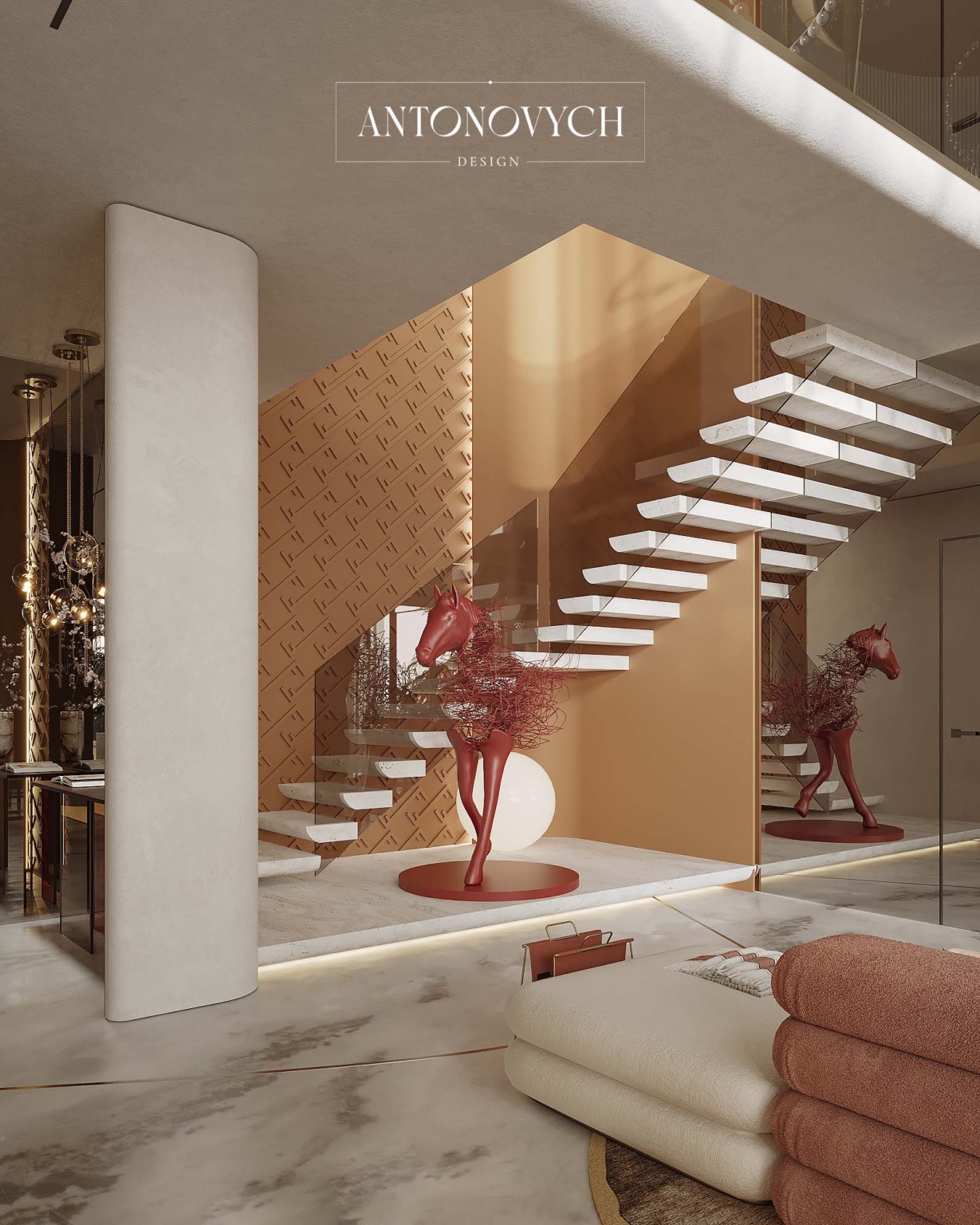
Reduced errors and budget control
Rework is expensive. Studies show that without designer control, up to 35% of work has to be redone, whereas with author’s supervision, this figure drops to 5–10%, and budget overruns are reduced by 15–20%. “Author’s supervision is almost always cheaper than rework. It’s simple math,” notes Svetlana Antonovich. Budget control and proper resource allocation are not a formality, but a key element of a premium approach to interior design.
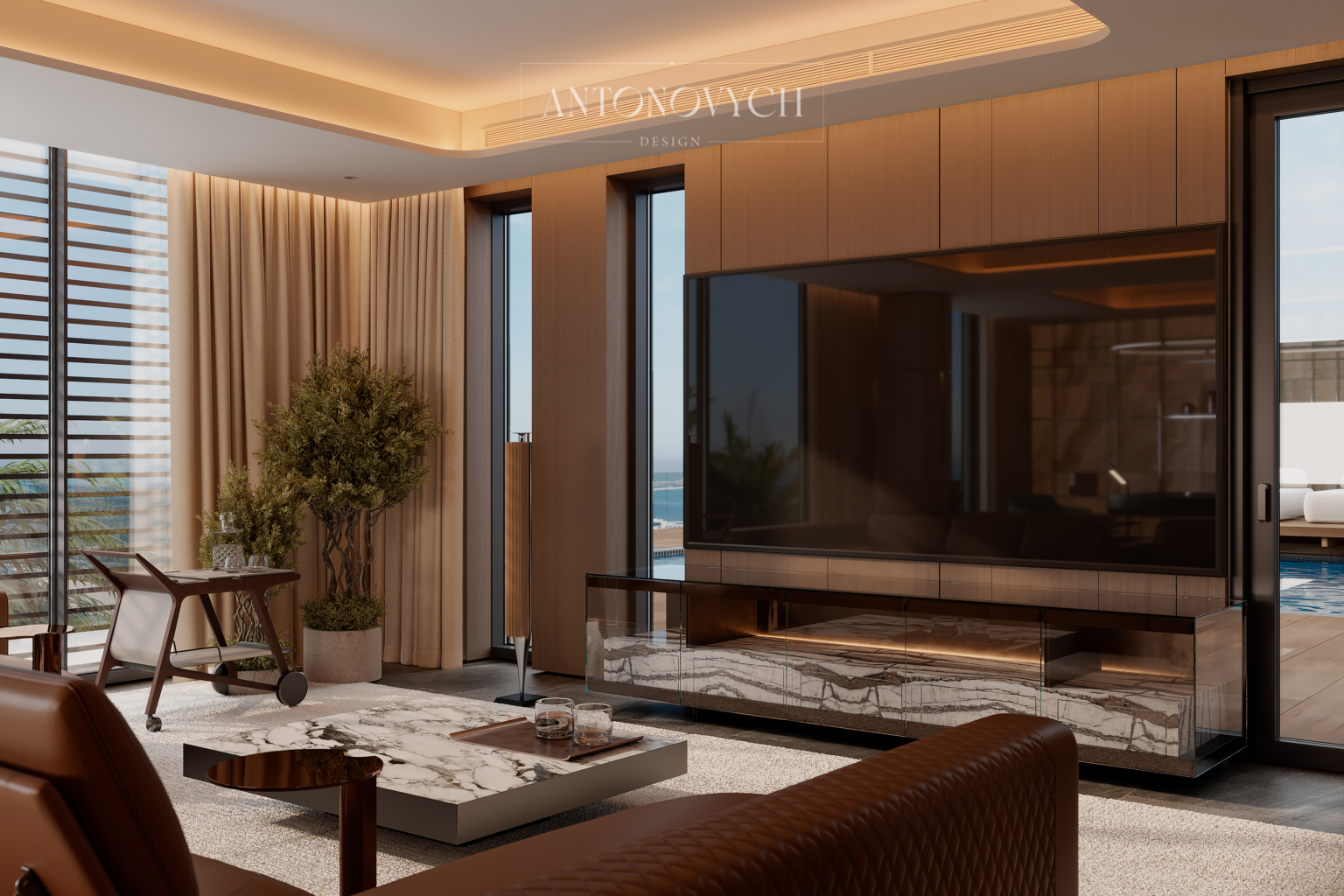
Engineering and aesthetics in harmony
Modern interiors are a synthesis of engineering and aesthetics: heating, ventilation, lighting, acoustics, smart home integration. Without supervision, the design idea is lost, and the interior turns into a collection of separate elements. “The designer is a bridge between engineering and aesthetics. Without this bridge, the interior loses harmony,” explains Svetlana Antonovich. Author’s supervision ensures the correct combination of technology and design, making the interior functional and visually complete.
Client’s peace of mind and confidence
Professional project control reduces client stress. They don’t need to track every step of the team, make technical decisions, or choose replacement materials. According to research, over 70% of people report an improved quality of life after the implementation of a professional project with author’s supervision. “The client trusts us, and our task is to make this trusting process as comfortable and predictable as possible,” says Svetlana Antonovich.
Access to a professional network and project longevity
A designer with author’s supervision has trusted contractors, suppliers, and factories, which guarantees quality, optimal deadlines, and delivery conditions. “A good interior is always teamwork. But the team must be manageable,” emphasizes Svetlana Antonovich. For Antonovych Design studio, author’s supervision is a professional responsibility. The project must be implemented so that years later, there are no questions about the quality and logic of the solutions. “We are responsible for the space where people live, not for pictures in a portfolio,” notes Svetlana Antonovich. Author’s supervision transforms the interior into a finished work that retains its aesthetic and functional value for many years.
Author’s supervision is not an additional service, but a strategic part of the project. It reduces risks, saves budget, preserves the concept, and transforms the interior into a harmonious, well-thought-out space. In modern premium market conditions, this becomes the standard of professional design, not a luxurious option.